

When Emmerson Mnangagwa became president of Zimbabwe in November 2017, many dared to hope that the country might begin a long process of recovery from Robert Mugabe’s leadership. True, Mnangagwa was Mugabe’s former right-hand-man, he represented the same party – Zanu-PF – and his nickname was “the Crocodile”. But he promised “free and fair elections”, waxed lyrical about democracy and promised to support free expression. The start of 2019 has put all that in perspective. First, Mnangagwa ordered the doubling of the price of petrol. In the resulting economic chaos, unions called a national strike, and desperate Zimbabweans took to the streets amid severe food and medicine shortages. The police responded with force: 12 people have been shot dead and 600 detained, according to the Guardian’s Jason Burke. A government spokesman has described the protests as “terrorism” and said that the crackdown is “just a foretaste of things to come”. The economic crisis didn’t begin with Mnangagwa: inflation has been rising since 2013, when the government began printing “zollars”, officially pegged to the US dollar but actually worth much less. The Economist claimed last week that “Zanu-PF has a vested interest in this arrangement. Some members of the ruling elite can convert a zollar to a dollar at the central bank, while letting ordinary Zimbabweans starve.” Now Zimbabwe’s bishops have issued an outspoken and detailed pastoral letter. They criticise the government’s “piecemeal and kneejerk” economic policy and “intolerant handling of dissent”, and lament that the political class has failed to capitalise on the national “goodwill” of summer 2017. The answer, they say, lies in collaboration – possibly along the lines of the 2009-13 “government of national unity”. Strong leadership isn’t enough, the bishops argue; nor are elections. The crisis “is not just political and economic but moral and spiritual”, they believe: it demands a selfless putting-aside of differences.
2:30 PM
As Zimbabwe burns, the bishops speak out
Staff Reporter


2 min read



Already a subscriber? Sign in
5freearticles every month
Continue reading with a free account. No card needed.
- Five free articles every thirty days, on any device you sign in on
- The Catholic Herald newsletter, every morning
- Subscribe whenever you like for everything: every article and the magazine
Related articles
 Newsroom
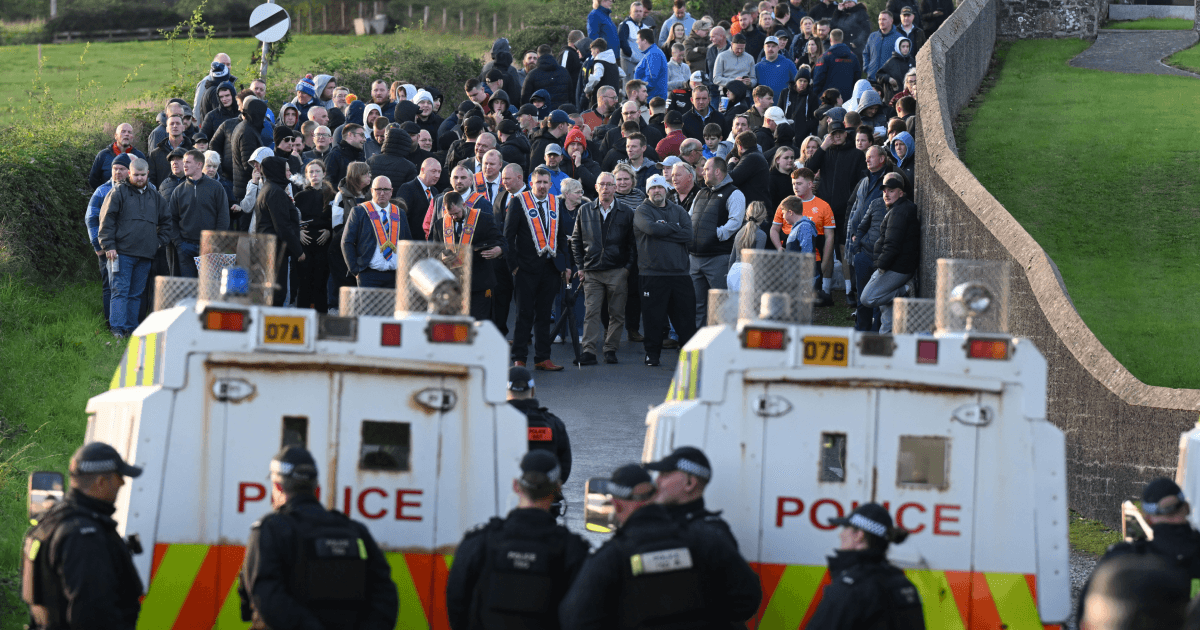
Church leaders urge Drumcree dialogue: ‘Too much is at stake’
The Catholic and Church of Ireland Archbishops of Armagh have urged a renewed commitment to peace and reconciliation amid the Drumcree stand-off
Corrie Douglas-Young Newsroom
Thousands of Irish children to join global Rosary campaign
Corrie Douglas-Young Newsroom
TikTok priest urges young people to stand with persecuted Christians
Nathalie Raffray Newsroom
Baby born at 25 weeks reunites with neonatologist two years after leaving hospital
The Catholic Herald Newsroom
Joe Biden honoured by Planned Parenthood after defending abortion rights
Christine Rousselle
subscribe to the catholic herald today
Our best content is exclusively available to our subscribers. Subscribe today and gain instant access to expert analysis, in-depth articles, and thought-provoking insights—anytime, anywhere. Don’t miss out on the conversations that matter most.
Subscribe



