


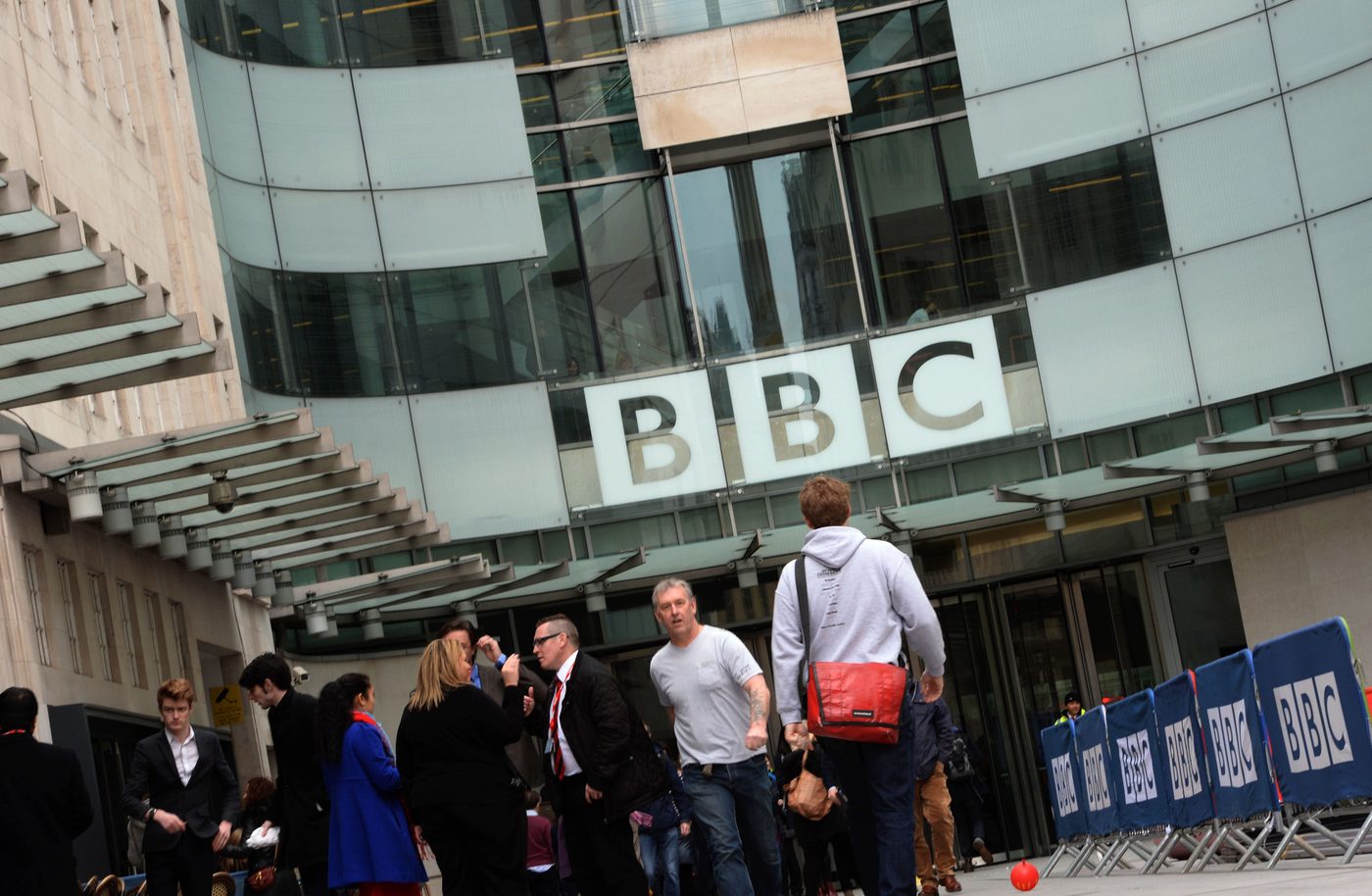
A BBC internal review has concluded that the corporation’s religious output is too weighted in favour of Christianity. A report by Aaqil Ahmed, the BBC’s head of religion and ethics, suggests that more airtime be given to programming focused on Muslim, Hindu and Sikh faiths. According to the Sunday Times, Mr Ahmed told a Commons meeting on religious literacy that he had written a report for the BBC’s director-general Lord Hall in response to criticism from non-Christian faiths that they were under-represented. In a statement, Mr Ahmed said that Christianity remained a “cornerstone” of the corporation’s output and “there are more hours dedicated to it than there are to other faiths”. “Our output in this area is not static, though,” he added. “It has evolved over the years and we regularly assess it. We do look at the number of hours we produce, and measure that against the religious make-up of society.” Dennis Sewell, a former BBC News staffer, asked what “Christian content” actually meant for the BBC. “Over the years Christians have not always liked programmes that ostensibly were Christian in terms of subject matter,” he wrote, pointing out that in 2002 the BBC aired – in Christmas week – the documentary The Virgin Mary, which suggested that the Mother of Christ might have become pregnant by a Roman soldier. In 2003 the documentary St Paul speculated that the saint’s conversion on the road to Damascus might have been an epileptic fit. Sewell went on: “The Bible’s Buried Secrets was in the same tradition, but spiced up with a touch of Dan Brown. The presenter ... claimed to be revealing dramatic discoveries that threatened to rock the foundations of Christianity. Chief among them were that God had a wife called Asherah and that the ancient Israelites were polytheistic.”
1:00 PM
BBC boss: our religious output is ‘too Christian’
Staff writers

4 min read



Already a subscriber? Sign in
5freearticles every month
Continue reading with a free account. No card needed.
- Five free articles every thirty days, on any device you sign in on
- The Catholic Herald newsletter, every morning
- Subscribe whenever you like for everything: every article and the magazine
Related articles
 Newsroom
Church leaders urge Drumcree dialogue: ‘Too much is at stake’
The Catholic and Church of Ireland Archbishops of Armagh have urged a renewed commitment to peace and reconciliation amid the Drumcree stand-off
Corrie Douglas-Young Newsroom
Thousands of Irish children to join global Rosary campaign
Corrie Douglas-Young Newsroom
TikTok priest urges young people to stand with persecuted Christians
Nathalie Raffray Newsroom
Baby born at 25 weeks reunites with neonatologist two years after leaving hospital
The Catholic Herald Newsroom
Joe Biden honoured by Planned Parenthood after defending abortion rights
Christine Rousselle
subscribe to the catholic herald today
Our best content is exclusively available to our subscribers. Subscribe today and gain instant access to expert analysis, in-depth articles, and thought-provoking insights—anytime, anywhere. Don’t miss out on the conversations that matter most.
Subscribe



