

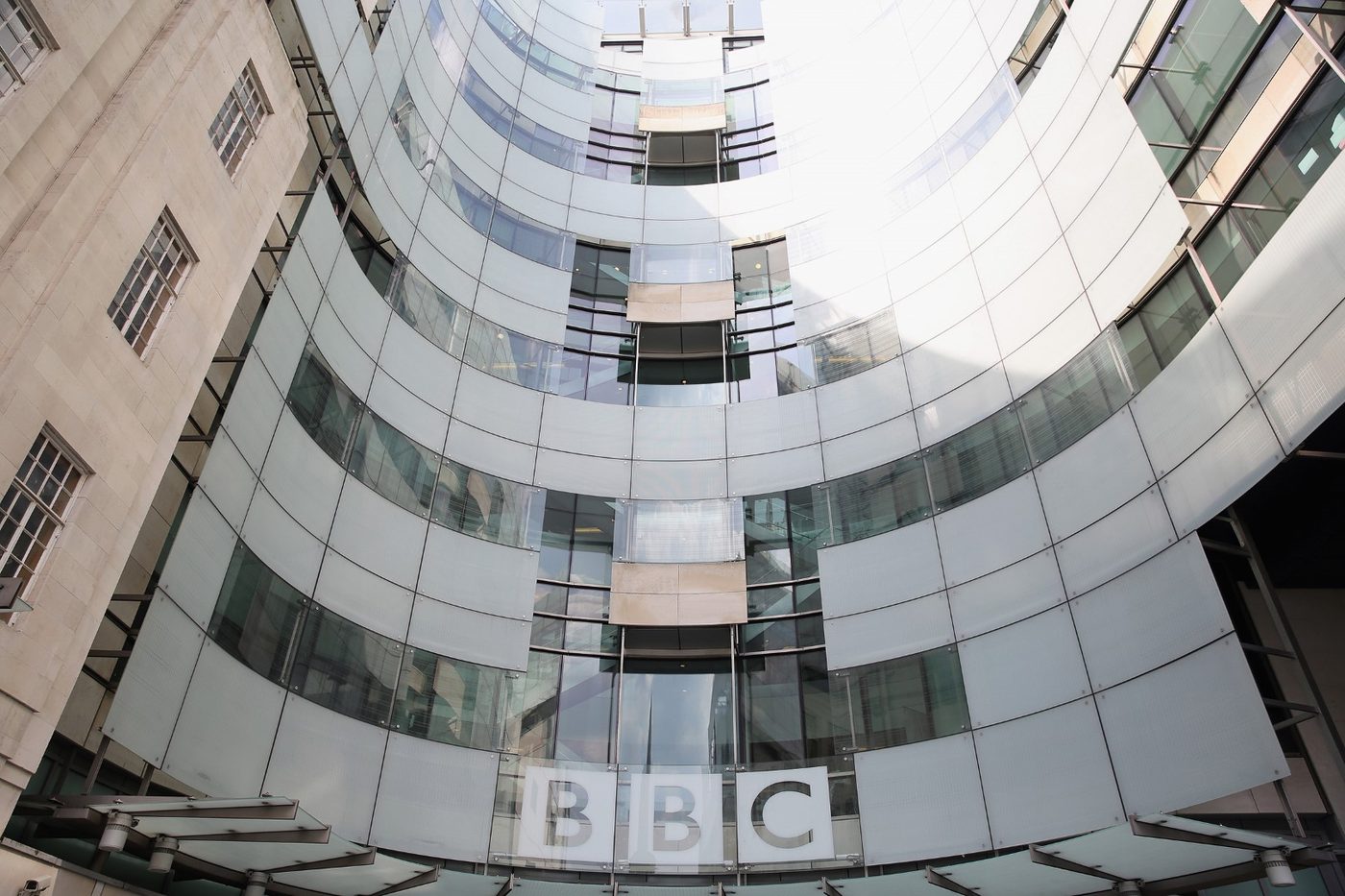
BBC Bitesize has retracted the claim that the Church banned dissection in the Middle Ages after a complaint from an academic. The popular revision website had told GCSE students that “the Church played a big part in medical stagnation” partly by “forbidding the dissection of corpses”. Professor David Paton, who wrote a blogpost for catholicherald.co.uk noting that historians had dismissed this as a myth, also wrote to the BBC complaints department. The BBC agreed to remove the claim about dissection and said senior management would be informed about the change. Prof Paton said he hoped exam boards and GCSE textbooks that still promote the myth would “take the lead of the BBC and stop claiming that the Church banned dissection”. But he argued that the page was still inaccurate, since it claimed that Catholicism was responsible for “stagnation” by promoting “prayer and superstition”, and made no note of the Church’s contributions to medical progress. Prof Paton said: “Although it is good to see some progress being made, the BBC Bitesize page still gives a very biased and misleading view of the Church’s role in the development of medicine. It is laughable when the only positive thing the BBC can find to say about the Church is that it encouraged people to go on the Crusades. Children learning GCSE history deserve better.” Eleanor Parker, a lecturer in medieval history at Oxford University, also welcomed the correction, but said it still gave the false impression that the “medieval Church actively discouraged scientific progress by encouraging prayer as a replacement for medicine. Medieval Christians did not see science and religion as opposed to each other, and the Church encouraged and supported the study of science.”
1:00 PM
BBC exam guide retracts Church history claim
Staff Reporter

3 min read



Already a subscriber? Sign in
5freearticles every month
Continue reading with a free account. No card needed.
- Five free articles every thirty days, on any device you sign in on
- The Catholic Herald newsletter, every morning
- Subscribe whenever you like for everything: every article and the magazine
Related articles
 Newsroom
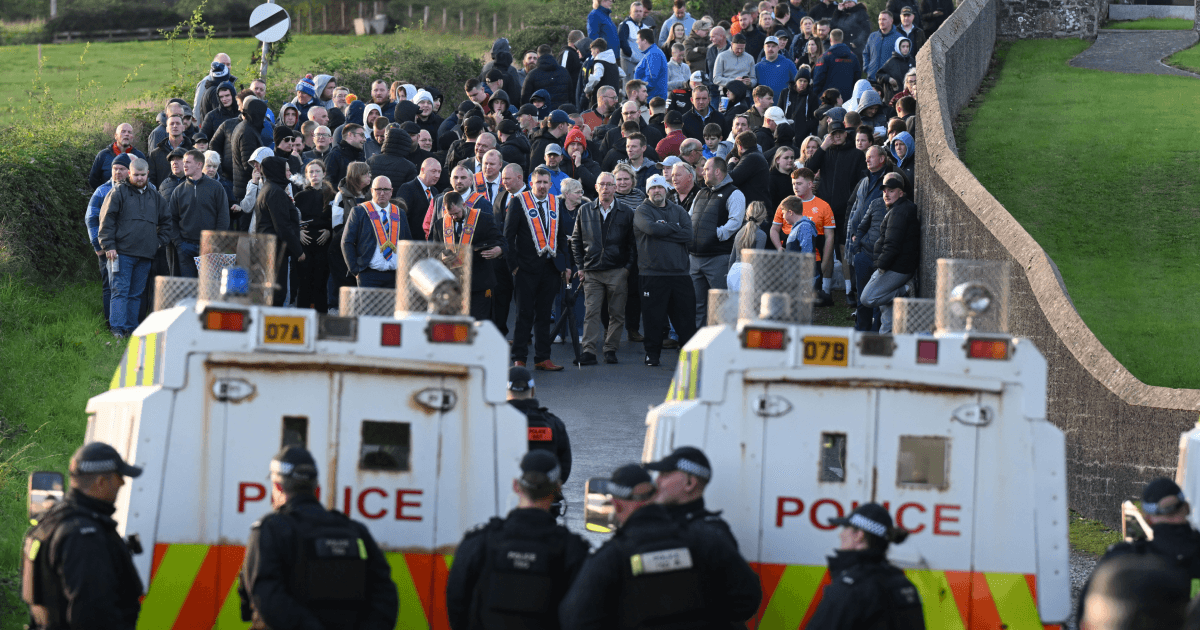
Church leaders urge Drumcree dialogue: ‘Too much is at stake’
The Catholic and Church of Ireland Archbishops of Armagh have urged a renewed commitment to peace and reconciliation amid the Drumcree stand-off
Corrie Douglas-Young Newsroom
Thousands of Irish children to join global Rosary campaign
Corrie Douglas-Young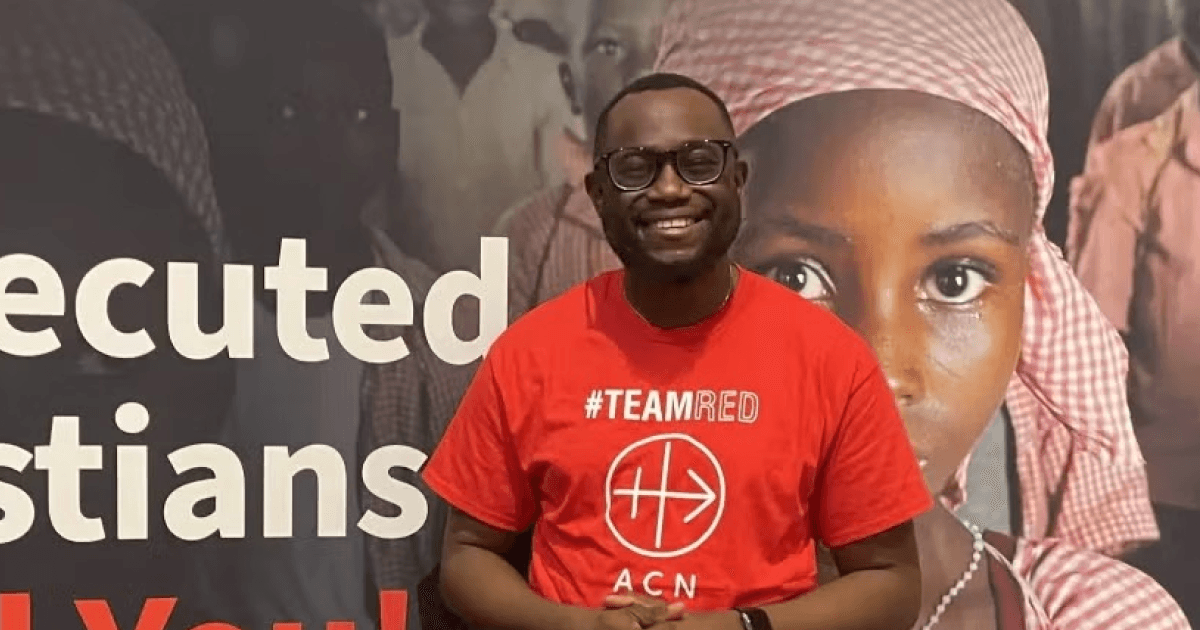 Newsroom
TikTok priest urges young people to stand with persecuted Christians
Nathalie Raffray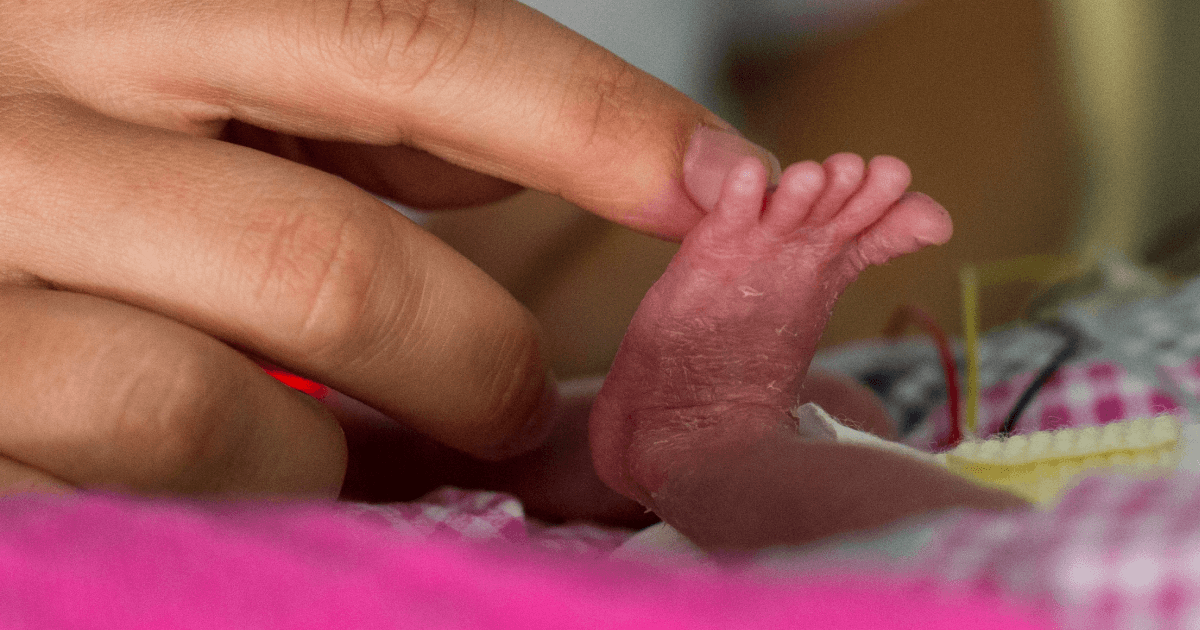 Newsroom
Baby born at 25 weeks reunites with neonatologist two years after leaving hospital
The Catholic Herald Newsroom
Joe Biden honoured by Planned Parenthood after defending abortion rights
Christine Rousselle
subscribe to the catholic herald today
Our best content is exclusively available to our subscribers. Subscribe today and gain instant access to expert analysis, in-depth articles, and thought-provoking insights—anytime, anywhere. Don’t miss out on the conversations that matter most.
Subscribe



