




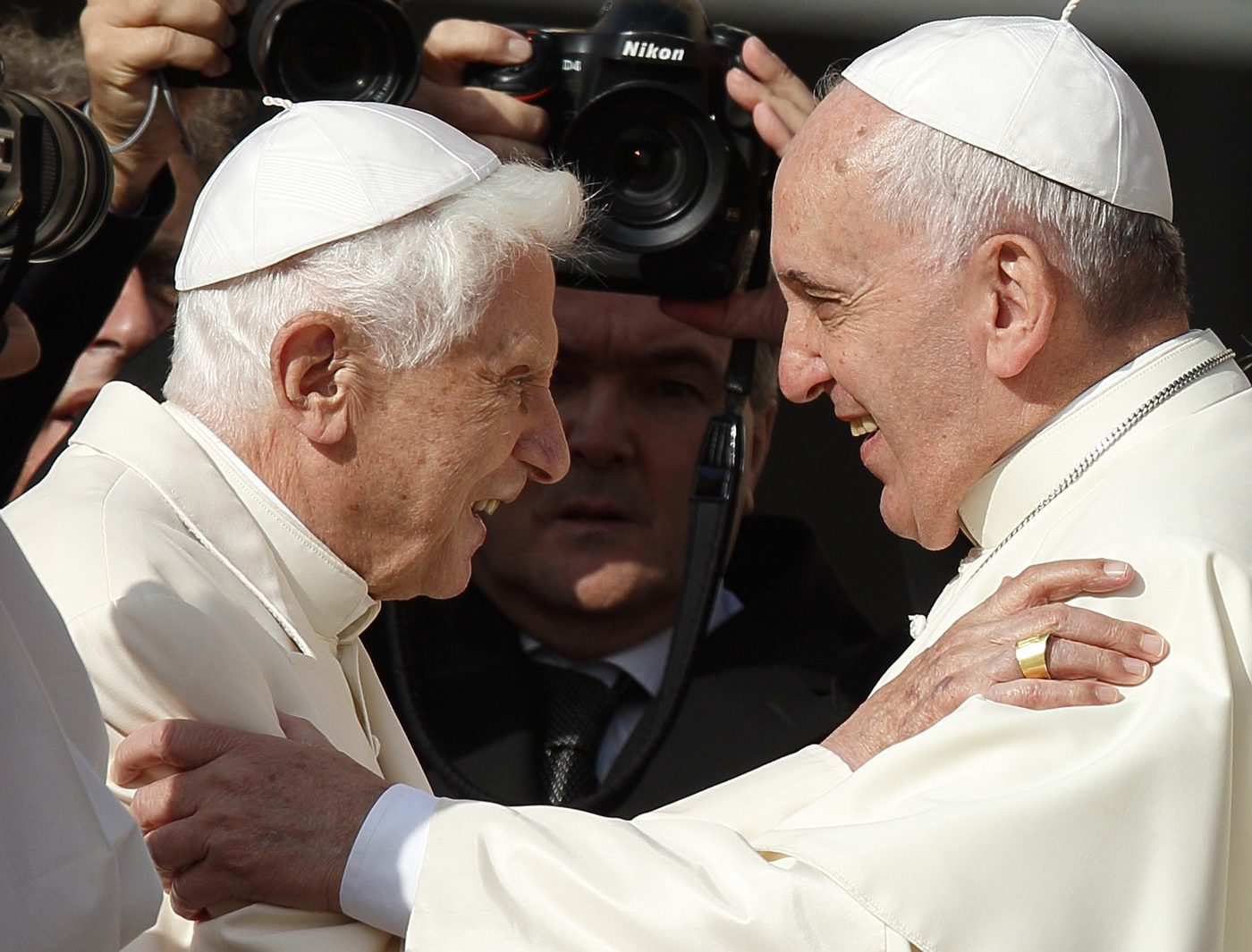
Pope Emeritus Benedict XVI has said that Pope Francis follows the same way of thinking as St John Paul II on mercy. In a rare interview the Pope Emeritus spoke about a “two-sided deep crisis” in the wake of the Second Vatican Council – specifically, the 20th-century awareness “that God cannot allow the perdition of all the non-baptised”. This resulted in a crisis, because “without this attentiveness to salvation, the faith loses its foundation”, the retired pope said in a written interview with the Belgian Jesuit Fr Jacques Servais. Theologians are still trying to work out full and valid explanations that would affirm the Christian certainty that salvation comes through Christ without insisting baptism and an explicit profession of faith in him is needed, he said. Benedict XVI also said he believed it to be a “sign of the times” that so many people were open to the message of God’s mercy, and compared Francis to his own predecessor, St John Paul II. “Mercy is what moves us towards God, while justice makes us tremble in his sight,” Benedict XVI said. “For me it is one of the ‘signs of the times’ that the idea of God’s mercy is becoming increasingly central and dominant.” St Faustina Kowalska’s promotion of the Divine Mercy in the early 1900s and the ministry of St John Paul II, “even if it did not always emerge in an explicit way”, both gave a strong push to a popular Christian focus on mercy and to theological explorations of the theme. St John Paul, from his experience as a youth during World War II and his ministry under communism in Poland, “affirmed that mercy is the only true and ultimately effective reaction against the power of evil. “Only where there is mercy does cruelty end, only there do evil and violence stop,” said Benedict, who worked closely with the Polish pope for decades. “Pope Francis,” he said, “is in complete agreement with this line. “His pastoral practice is expressed precisely in the fact that he speaks continuously of God’s mercy.” The fact that so many are open to that message, Benedict said, shows that “under the patina of self-assurance” and a conviction of self-righteousness, “man today hides a deep awareness of his wounds and his lack of worthiness before God. He is waiting for mercy.”
12:00 PM
Benedict: only mercy stops evil
Staff writers

4 min read



Already a subscriber? Sign in
5freearticles every month
Continue reading with a free account. No card needed.
- Five free articles every thirty days, on any device you sign in on
- The Catholic Herald newsletter, every morning
- Subscribe whenever you like for everything: every article and the magazine
Related articles
 Newsroom
Church leaders urge Drumcree dialogue: ‘Too much is at stake’
The Catholic and Church of Ireland Archbishops of Armagh have urged a renewed commitment to peace and reconciliation amid the Drumcree stand-off
Corrie Douglas-Young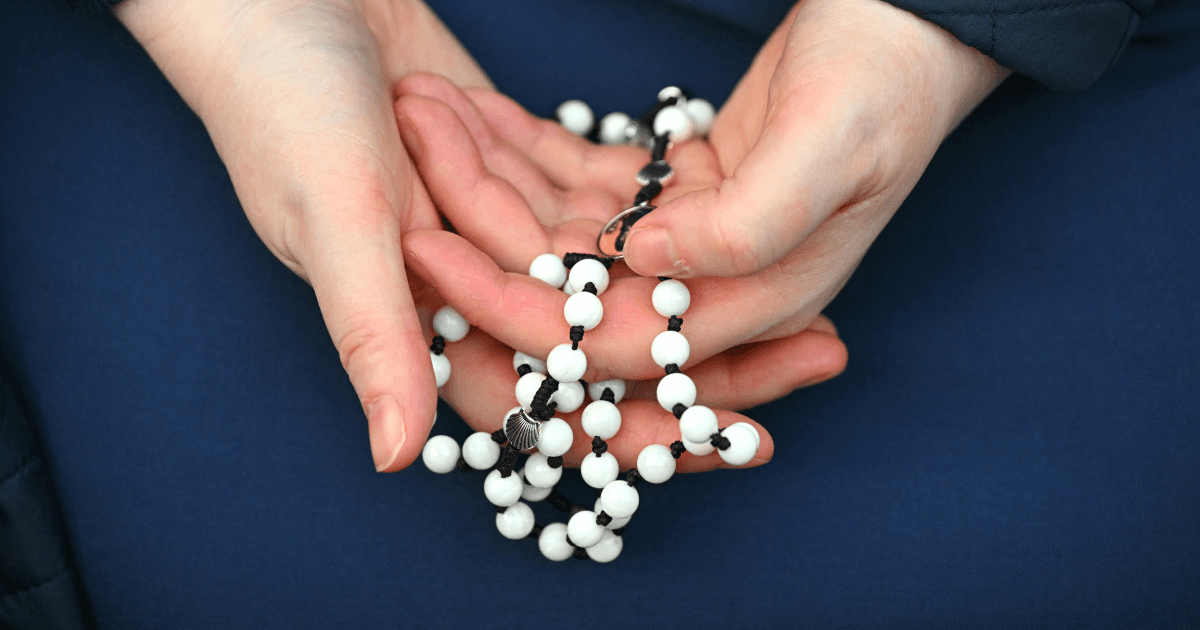 Newsroom
Thousands of Irish children to join global Rosary campaign
Corrie Douglas-Young Newsroom
TikTok priest urges young people to stand with persecuted Christians
Nathalie Raffray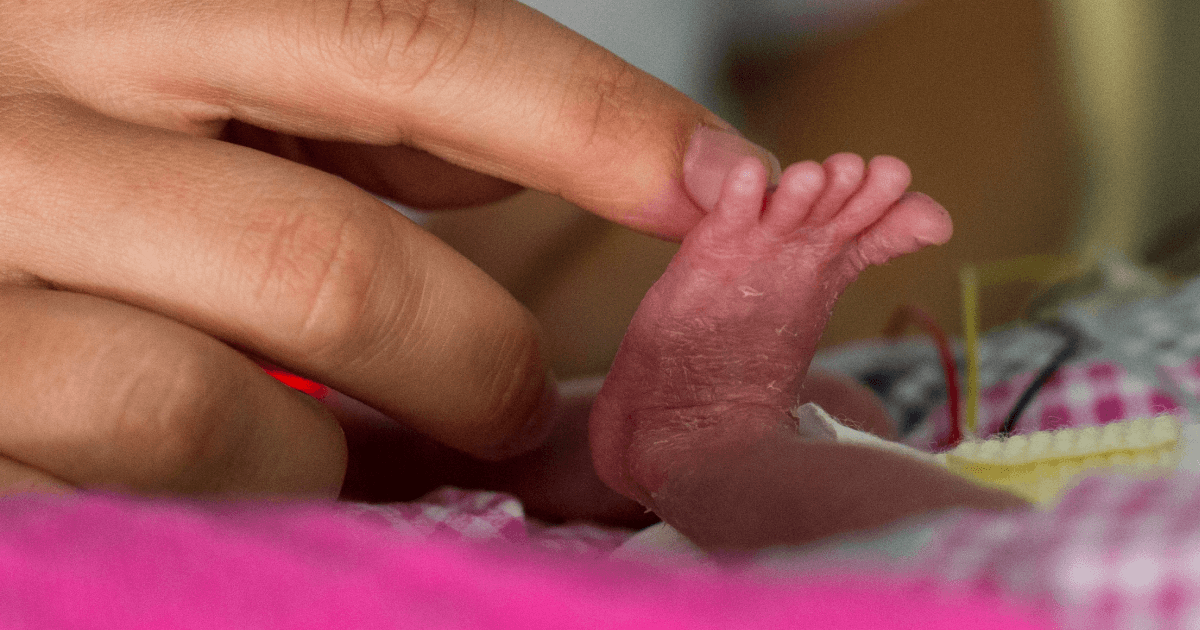 Newsroom
Baby born at 25 weeks reunites with neonatologist two years after leaving hospital
The Catholic Herald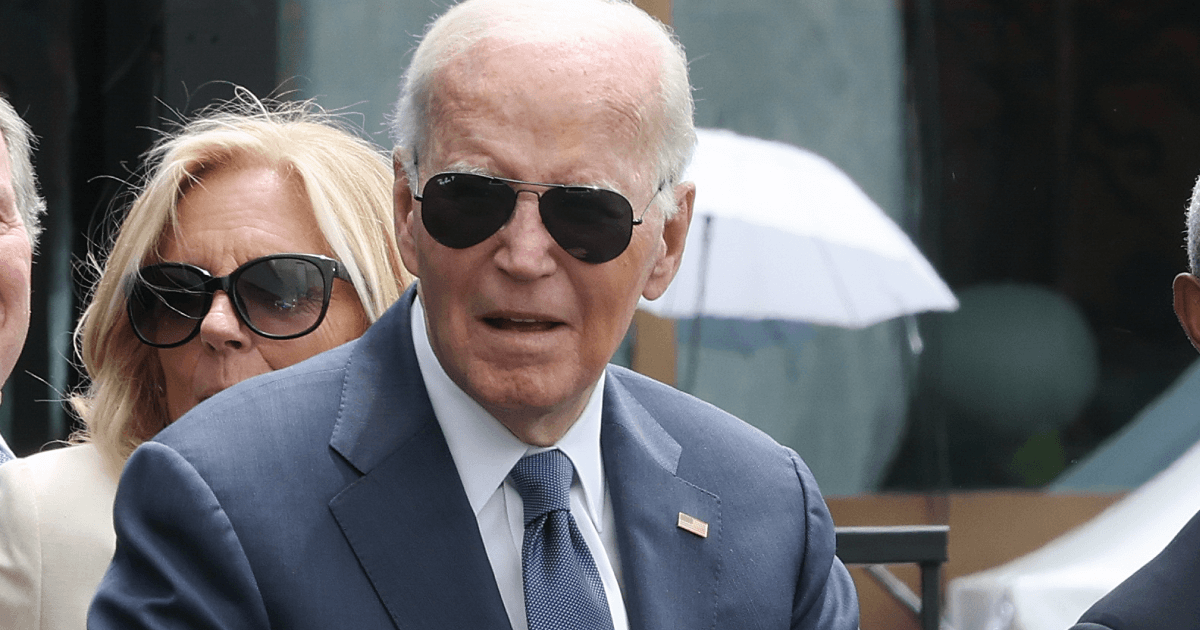 Newsroom
Joe Biden honoured by Planned Parenthood after defending abortion rights
Christine Rousselle
subscribe to the catholic herald today
Our best content is exclusively available to our subscribers. Subscribe today and gain instant access to expert analysis, in-depth articles, and thought-provoking insights—anytime, anywhere. Don’t miss out on the conversations that matter most.
Subscribe



