February 12, 2026

Best of the web: celibacy, Scruton and troubled times

Staff writers
More
Related
Min read
share

A married priest on clerical celibacy

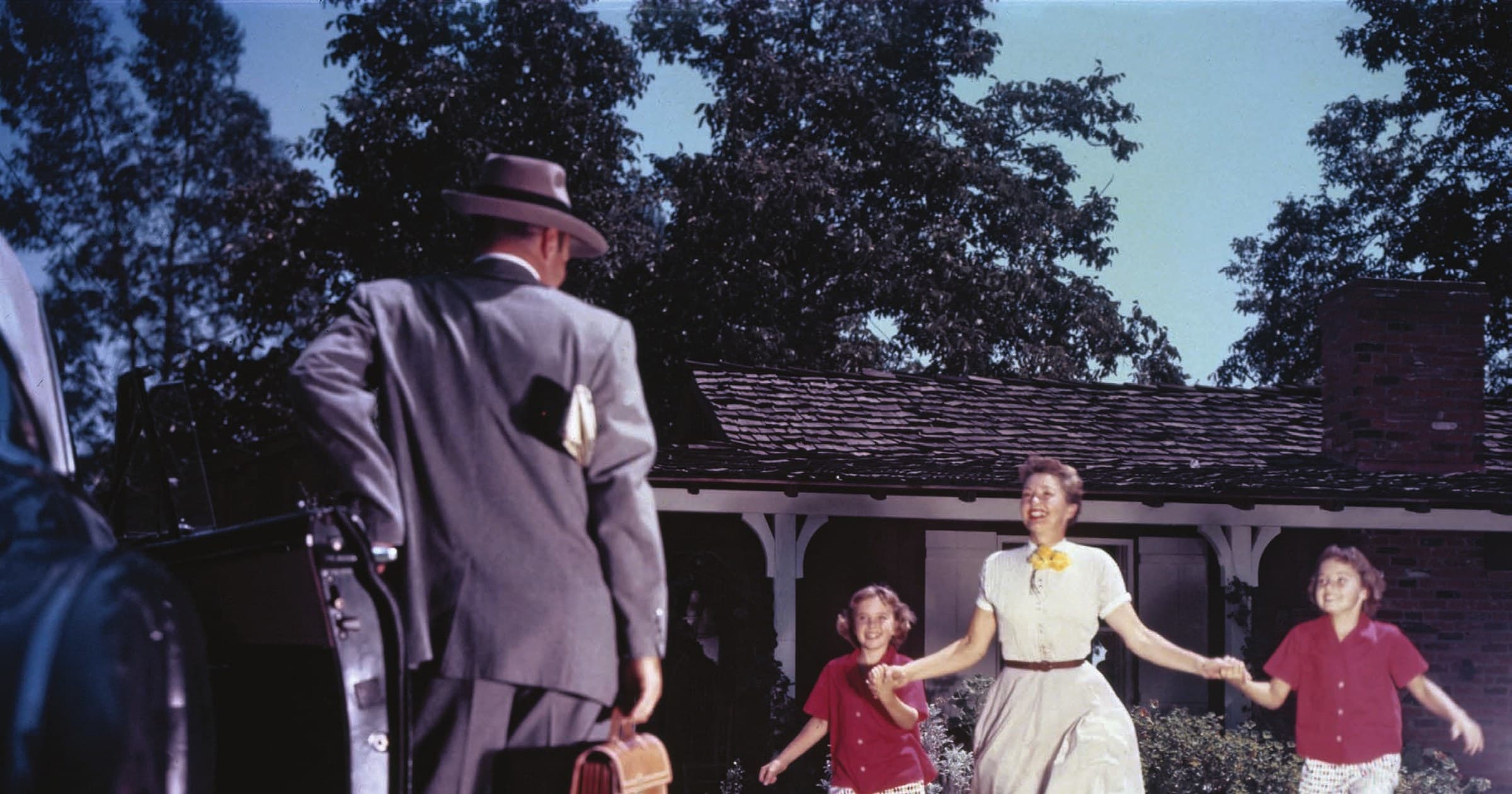
What’s the point of celibacy? At his blog, Fr Dwight Longenecker – a married priest – argued that it has little to do with the greater availability of the unmarried. “Yes, the celibate man is more available and ready to serve,” he wrote, “but we all know plenty of celibate priests who are not, and I can assure you that we married men also get up out of bed at three in the morning to drive across town to anoint someone.”

The real point is configuration to Christ. “The Catholic priest really is supposed to be transformed into an alter Christus in a depth that is different from the non-ordained.” And celibacy is “the greatest tool the Church has” in bringing this about. It is, Fr Longenecker wrote, “about a mystical configuration of the man’s entire being – body, soul and spirit – into the image and likeness and power of Christ … accomplished through God’s grace reaching down to touch every aspect of the man’s life and being – and that includes his sexuality.
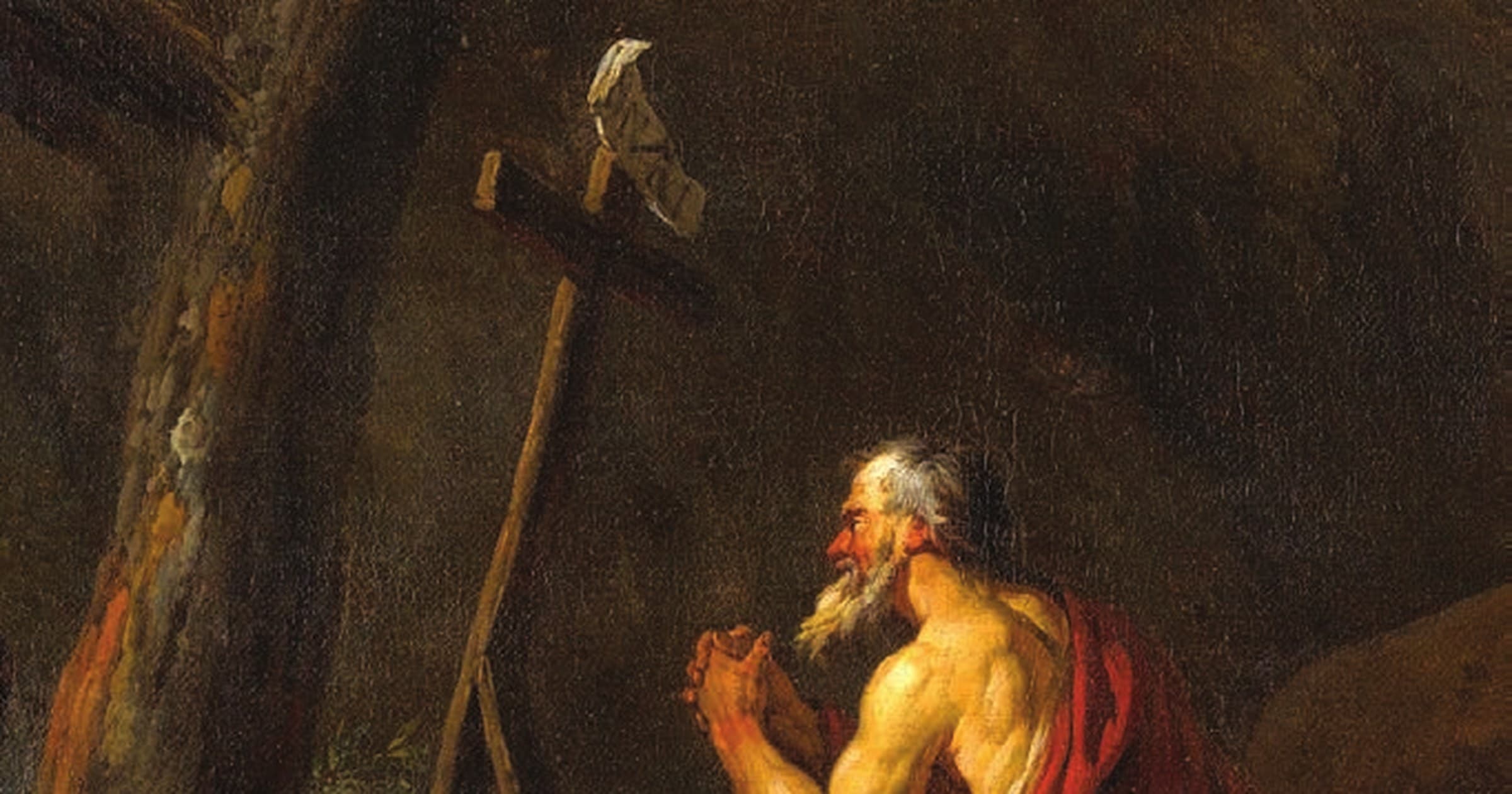
“The sexual drive … reaches down to the depths of a man’s being and connects with everything to do with life, with love, with creativity and power.”

Scruton, society and the role of religion


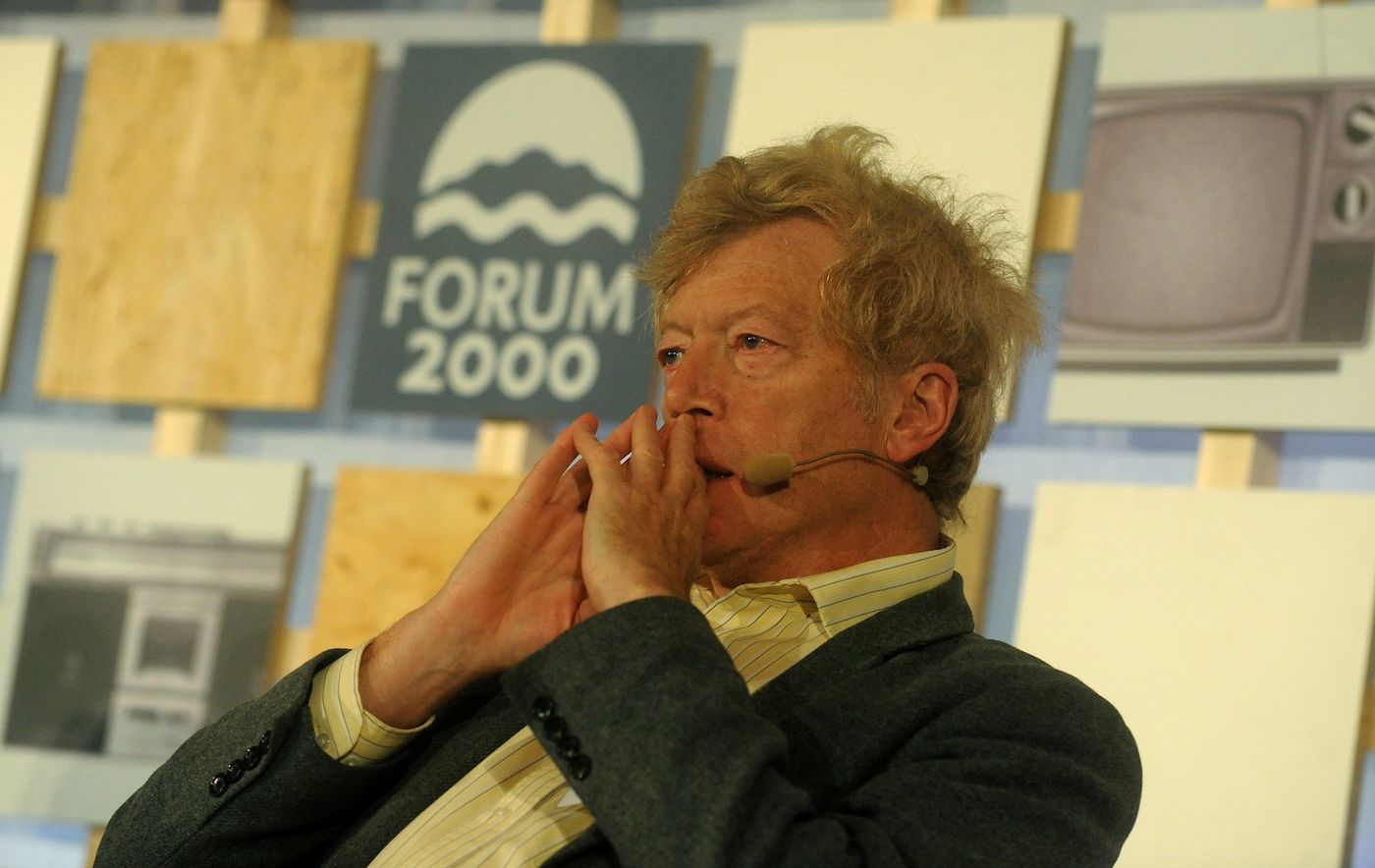
At LifeSite, Joseph Shaw said that Sir Roger Scruton, the philosopher who died last week, was “a great man”. But “the best way to show one’s appreciation of a serious thinker is always to engage critically with his ideas”, and while much of Scruton’s thought was helpful to Catholics, he often diverged from the Catholic tradition.

Shaw noted that, for Scruton, religion was not a sound basis for community identity. Scruton suggested, for instance, that the Islamic conception of society, as based on following God’s will, was problematic – with the implication that this also applied to pre-Enlightenment Christianity. But Scruton’s preference for “Enlightenment notions of rationality, or self-interest, or some kind of social bargain” did not seem to have worked well as a basis for living.

Some would argue “that founding a community on religious values is bound to cause problems for religious minorities”. But history “shows that it is perfectly possible for societies committed to a particular religion to tolerate members of other religions.

“Sometimes they get along harmoniously, and sometimes they do not, just as different ethnic groups, social classes, or economic interests sometimes co-exist peacefully, and sometimes come into conflict. The history of atheistic and avowedly secular states does nothing to encourage the idea that they have any systematic advantage.”

The honour of living in troubled times


At his blog, Fr John Zuhlsdorf remarked: “Things are obviously not going well in the Church.  Because our Lord underwent His Passion, the Church also must undergo her own time of torment and upheaval. I maintain that God, who disposes all things, gave us a magnificent honour to live in these troubled times.”

The harder the times, Fr Zuhlsdorf wrote, “the greater the graces. What an honour.”

A married priest on clerical celibacy

What’s the point of celibacy? At his blog, Fr Dwight Longenecker – a married priest – argued that it has little to do with the greater availability of the unmarried. “Yes, the celibate man is more available and ready to serve,” he wrote, “but we all know plenty of celibate priests who are not, and I can assure you that we married men also get up out of bed at three in the morning to drive across town to anoint someone.”

The real point is configuration to Christ. “The Catholic priest really is supposed to be transformed into an alter Christus in a depth that is different from the non-ordained.” And celibacy is “the greatest tool the Church has” in bringing this about. It is, Fr Longenecker wrote, “about a mystical configuration of the man’s entire being – body, soul and spirit – into the image and likeness and power of Christ … accomplished through God’s grace reaching down to touch every aspect of the man’s life and being – and that includes his sexuality.
“The sexual drive … reaches down to the depths of a man’s being and connects with everything to do with life, with love, with creativity and power.”

Scruton, society and the role of religion


At LifeSite, Joseph Shaw said that Sir Roger Scruton, the philosopher who died last week, was “a great man”. But “the best way to show one’s appreciation of a serious thinker is always to engage critically with his ideas”, and while much of Scruton’s thought was helpful to Catholics, he often diverged from the Catholic tradition.

Shaw noted that, for Scruton, religion was not a sound basis for community identity. Scruton suggested, for instance, that the Islamic conception of society, as based on following God’s will, was problematic – with the implication that this also applied to pre-Enlightenment Christianity. But Scruton’s preference for “Enlightenment notions of rationality, or self-interest, or some kind of social bargain” did not seem to have worked well as a basis for living.

Some would argue “that founding a community on religious values is bound to cause problems for religious minorities”. But history “shows that it is perfectly possible for societies committed to a particular religion to tolerate members of other religions.

“Sometimes they get along harmoniously, and sometimes they do not, just as different ethnic groups, social classes, or economic interests sometimes co-exist peacefully, and sometimes come into conflict. The history of atheistic and avowedly secular states does nothing to encourage the idea that they have any systematic advantage.”

The honour of living in troubled times


At his blog, Fr John Zuhlsdorf remarked: “Things are obviously not going well in the Church.  Because our Lord underwent His Passion, the Church also must undergo her own time of torment and upheaval. I maintain that God, who disposes all things, gave us a magnificent honour to live in these troubled times.”

The harder the times, Fr Zuhlsdorf wrote, “the greater the graces. What an honour.”

subscribe to
the catholic herald

Continue reading your article with a subscription.
Read 5 articles with our free plan.
Subscribe

subscribe to the catholic herald today

Our best content is exclusively available to our subscribers. Subscribe today and gain instant access to expert analysis, in-depth articles, and thought-provoking insights—anytime, anywhere. Don’t miss out on the conversations that matter most.
Subscribe