


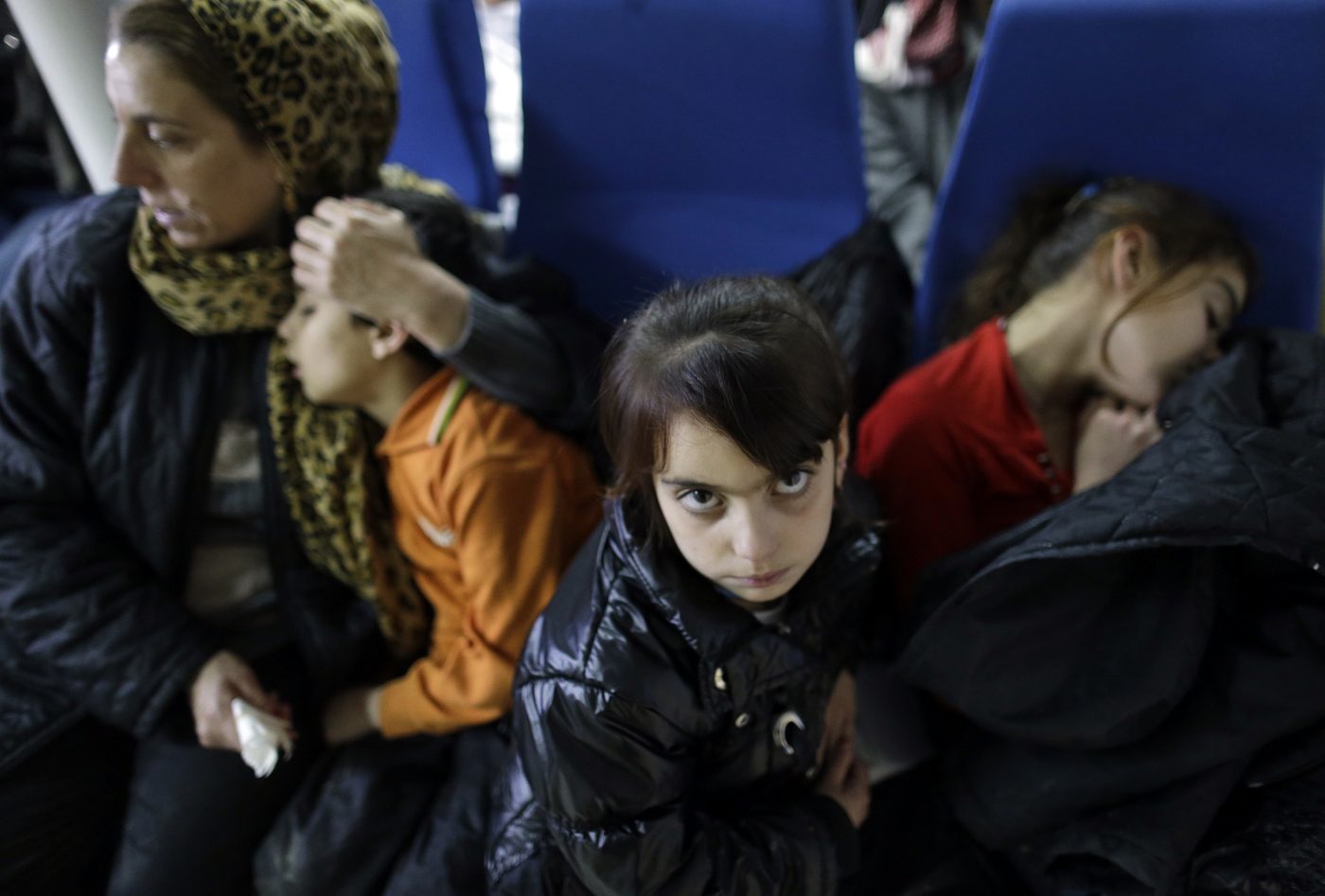
The Bishop of Shrewsbury has urged the Government to recognise the genocide of Christians and other religious minorities targeted by ISIS. Bishop Mark Davies made the appeal in an Easter morning homily at Shrewsbury Cathedral. He said the Government had “refused to join other Western governments in recognising this intent to destroy a people”. The Council of Europe and the US House of Representatives have acknowledged ISIS’s crimes as genocide. In Britain, the Government has resisted calls to recognise genocide in spite of receiving a letter from 75 politicians asking it to do so. Last week an amendment to the Immigration Bill was rejected by 148 votes to 111 after the Government imposed a whip on Conservative peers to ensure that it would fail. The measure, tabled by Lord Alton of Liverpool, had proposed that the High Court should decide if the atrocities committed against religious minorities in Iraq and Syria constituted genocide. In his homily, Bishop Davies said: “This Easter, we must ask our own Government to re-consider its refusal to recognise the crime of genocide being perpetrated against Christians and other minorities in the very region where the Christian faith began. “The indiscriminate terror visited on the streets of Europe’s cities, whose victims we are remembering today, reflects the same hate-filled violence which is focused on the destruction of whole communities. In addressing the refugee crisis on a historic scale we also need to urgently address what causes families to flee from violence and terror.” “Christian leaders across the region … remind us that in responding to the symptoms of this crisis, we must not turn our eyes from its cause. The danger of ‘compassion fatigue’ or despair at the chaos of a whole region demands we find renewed energy to work for peace.” He continued:“In this past century Europe has learnt the lessons of peace amid death and destruction and a vast refugee crisis. In 1945 and again in 1989, Europe drew on its inheritance of Christian faith and values to rebuild the peace of this continent and the life of its peoples shattered by war and genocide. “It is only in being true to this faith, which teaches us the value and dignity of every human being, that Europe will be able to rise to meet new challenges and be capable of building peace rather than contributing to further chaos and destruction. The world looks to us not for the politics of narrow self-interest but for the hope that enduring peace can be built.” John Kerry, the US Secretary of State, last month declared the actions of ISIS to be genocide. Earlier, the US House of Representative had voted unanimously to recognise the crimes as genocide and the European Parliament and the Council of Europe have reached the same conclusion. If a resolution recognising the genocide was adopted by the United Nations, the countries which have signed the 1948 Convention on the Prevention and Punishment of the Crime of Genocide would have an obligation to bring the activities of ISIS to an end, to prioritise the protection of the victims, and to pursue and prosecute perpetrators. Academies were first introduced under Labour. They have expanded rapidly since 2010.
1:00 PM
Bishop: Britain must recognise genocide
Staff writers

5 min read



Already a subscriber? Sign in
5freearticles every month
Continue reading with a free account. No card needed.
- Five free articles every thirty days, on any device you sign in on
- The Catholic Herald newsletter, every morning
- Subscribe whenever you like for everything: every article and the magazine
Related articles
 Newsroom
Church leaders urge Drumcree dialogue: ‘Too much is at stake’
The Catholic and Church of Ireland Archbishops of Armagh have urged a renewed commitment to peace and reconciliation amid the Drumcree stand-off
Corrie Douglas-Young Newsroom
Thousands of Irish children to join global Rosary campaign
Corrie Douglas-Young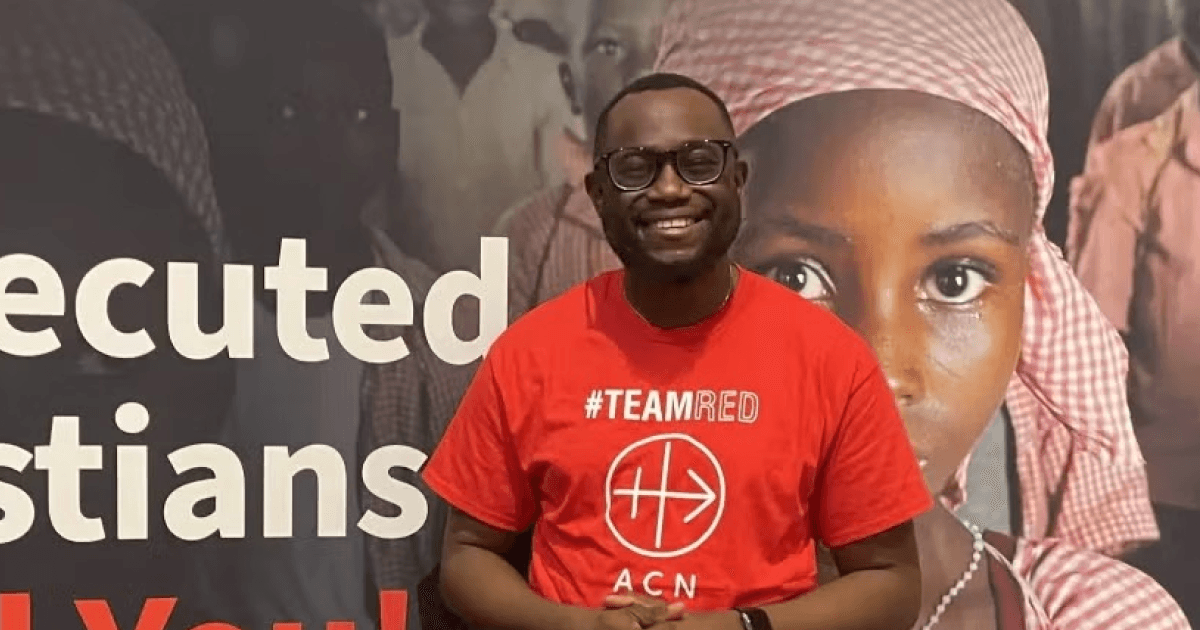 Newsroom
TikTok priest urges young people to stand with persecuted Christians
Nathalie Raffray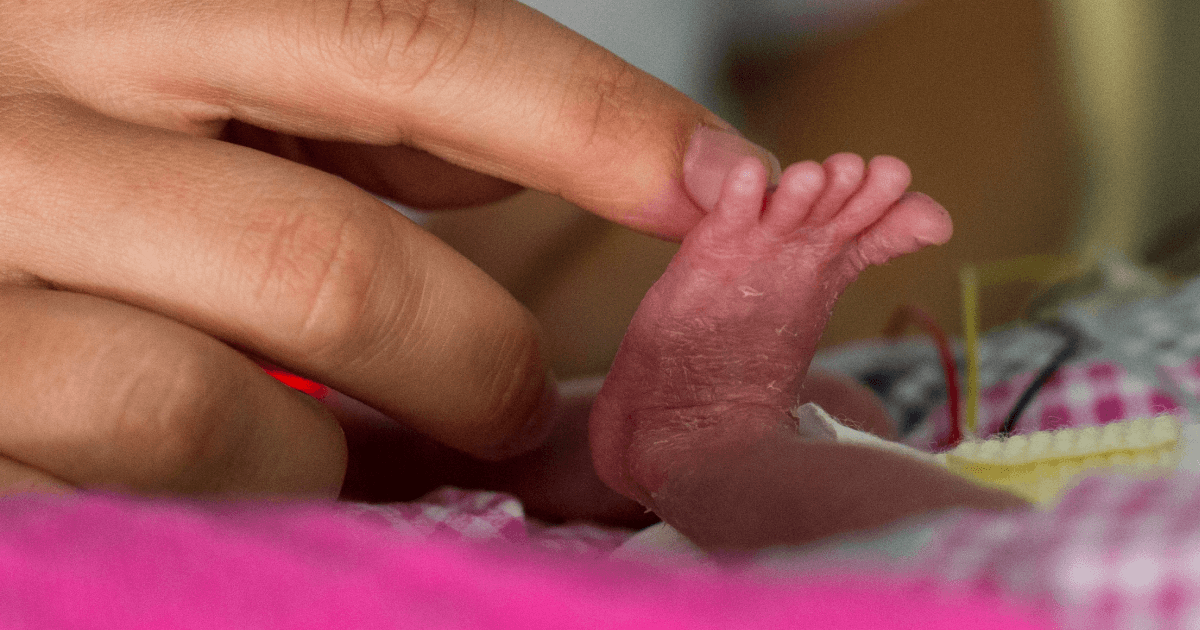 Newsroom
Baby born at 25 weeks reunites with neonatologist two years after leaving hospital
The Catholic Herald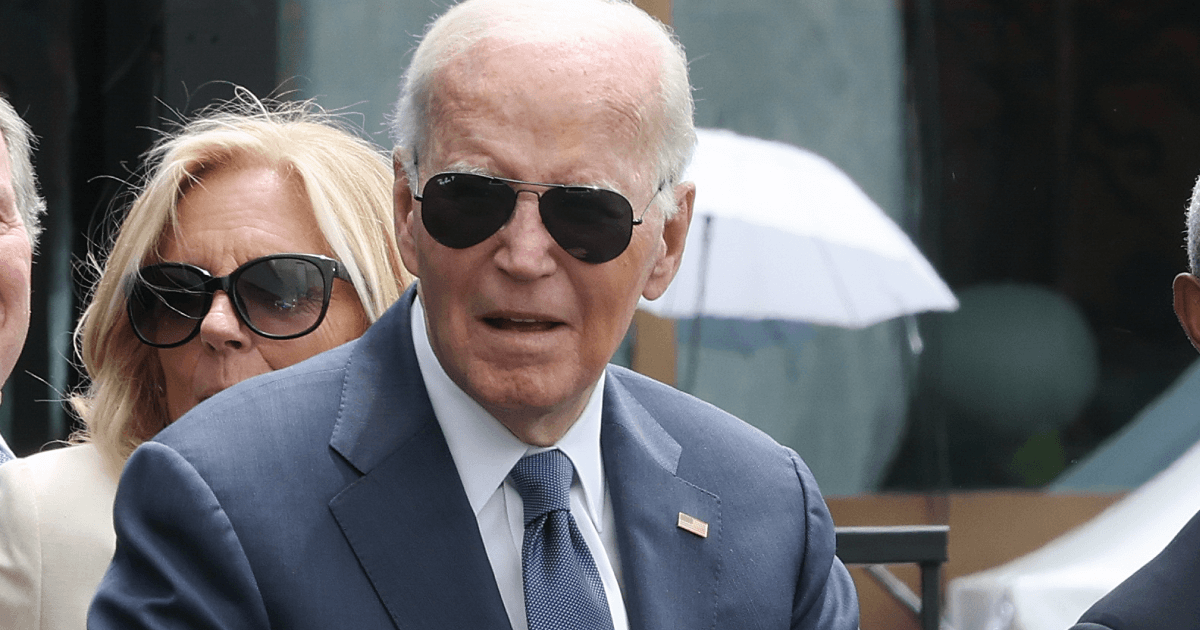 Newsroom
Joe Biden honoured by Planned Parenthood after defending abortion rights
Christine Rousselle
subscribe to the catholic herald today
Our best content is exclusively available to our subscribers. Subscribe today and gain instant access to expert analysis, in-depth articles, and thought-provoking insights—anytime, anywhere. Don’t miss out on the conversations that matter most.
Subscribe



