



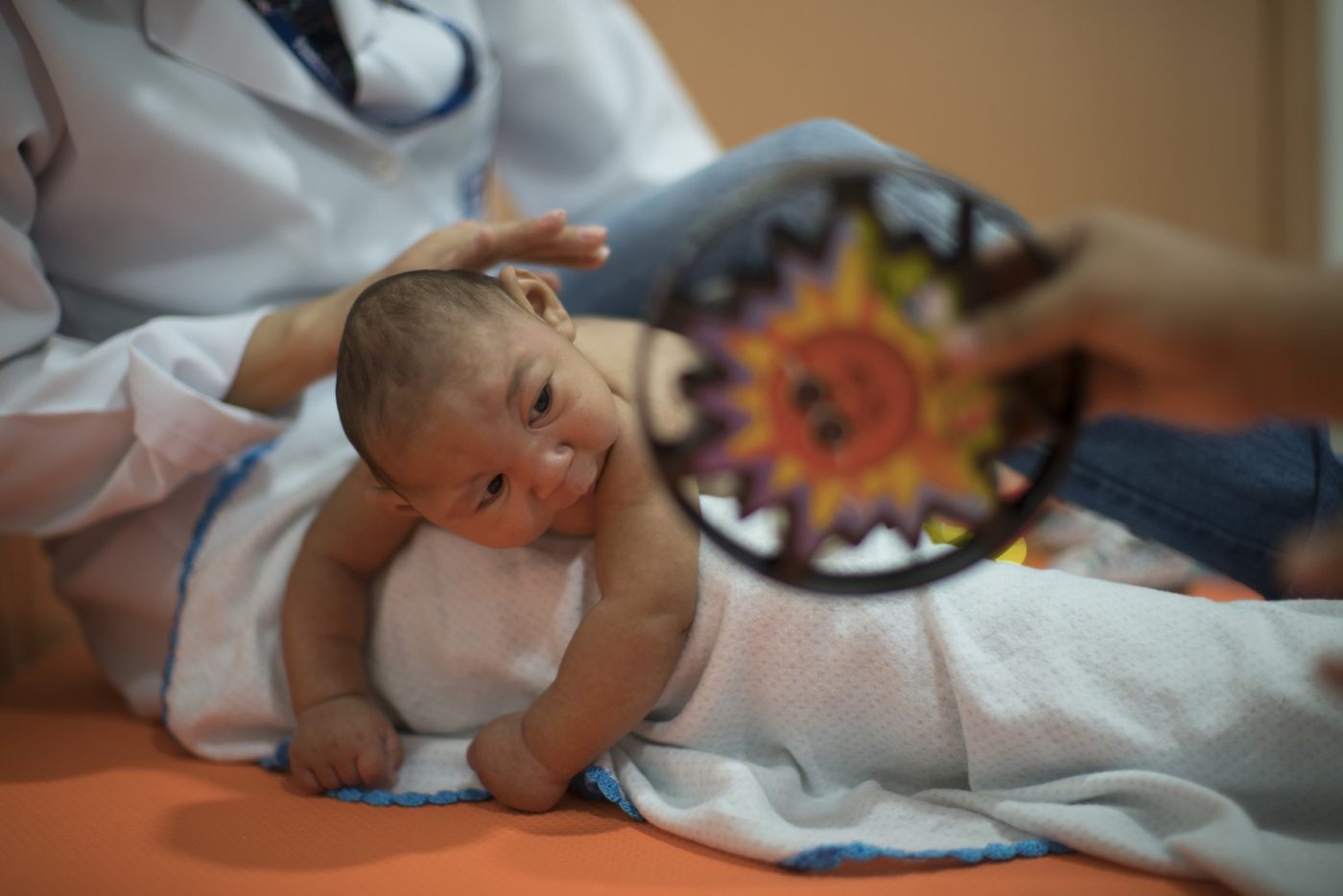
The president of the Brazilian bishops’ conference has criticised a proposal by the UN Human Rights Commission that countries should allow abortion in cases where the mother has been infected with the Zika virus. “Abortion is not the answer for the Zika virus,” Archbishop Sergio da Rocha of Brasilia told reporters during a press conference to announce the bishops’ Lenten fraternity campaign. “We need to value life in any situation or condition. Less quality of life does not mean less rights to live or less human dignity.” On the same day, Brazilian President Dilma Rousseff met members of the National Council of Christian Churches of Brazil to seek their help in fighting the Aedes aegypti mosquito, which transmits the Zika virus. Rousseff asked the religious leaders to urge parishioners to look around their homes and neighbourhoods for possible breeding grounds for the mosquito, which also transmits dengue and chikungunya fever. The Zika virus, which has made headlines worldwide in the past few weeks, has been linked by the Brazilian government to the surge in microcephaly cases, although only 400 of 3,670 suspected cases of microcephaly have been proven to be linked to the virus. The possible link has led to the rekindling of the debate on the decriminalisation of abortion in Brazil. Pro-abortion groups are said to be preparing a suit to be taken to Brazil’s supreme court for the introduction of abortion in cases of confirmed Zika infection in pregnant women. Auxiliary Bishop Leonardo Steiner of Brasilia, secretary-general of the bishops’ conference, said groups were taking advantage of a painful situation to promote abortion. He said the Church’s position would always be in favour of life. In the United States, a congressional hearing examined the growing threat of the Zika virus and the response of American health officials. Chris Smith, the congressman who led the hearing, stressed the need to “work harder to prevent maternal infections and devise compassionate ways to ensure that any child born with disabilities from this or any other infection is welcomed, loved and gets the care he or she needs”. He called for research to be undertaken to work out how mother-to-child transmission of the virus could be prevented, just as is now possible with HIV/Aids.
12:00 PM
Bishops: abortion no answer to Zika
Staff writers

4 min read



Already a subscriber? Sign in
5freearticles every month
Continue reading with a free account. No card needed.
- Five free articles every thirty days, on any device you sign in on
- The Catholic Herald newsletter, every morning
- Subscribe whenever you like for everything: every article and the magazine
Related articles
 Newsroom
Church leaders urge Drumcree dialogue: ‘Too much is at stake’
The Catholic and Church of Ireland Archbishops of Armagh have urged a renewed commitment to peace and reconciliation amid the Drumcree stand-off
Corrie Douglas-Young Newsroom
Thousands of Irish children to join global Rosary campaign
Corrie Douglas-Young Newsroom
TikTok priest urges young people to stand with persecuted Christians
Nathalie Raffray Newsroom
Baby born at 25 weeks reunites with neonatologist two years after leaving hospital
The Catholic Herald Newsroom
Joe Biden honoured by Planned Parenthood after defending abortion rights
Christine Rousselle
subscribe to the catholic herald today
Our best content is exclusively available to our subscribers. Subscribe today and gain instant access to expert analysis, in-depth articles, and thought-provoking insights—anytime, anywhere. Don’t miss out on the conversations that matter most.
Subscribe



