November 13, 2025
November 10, 2025

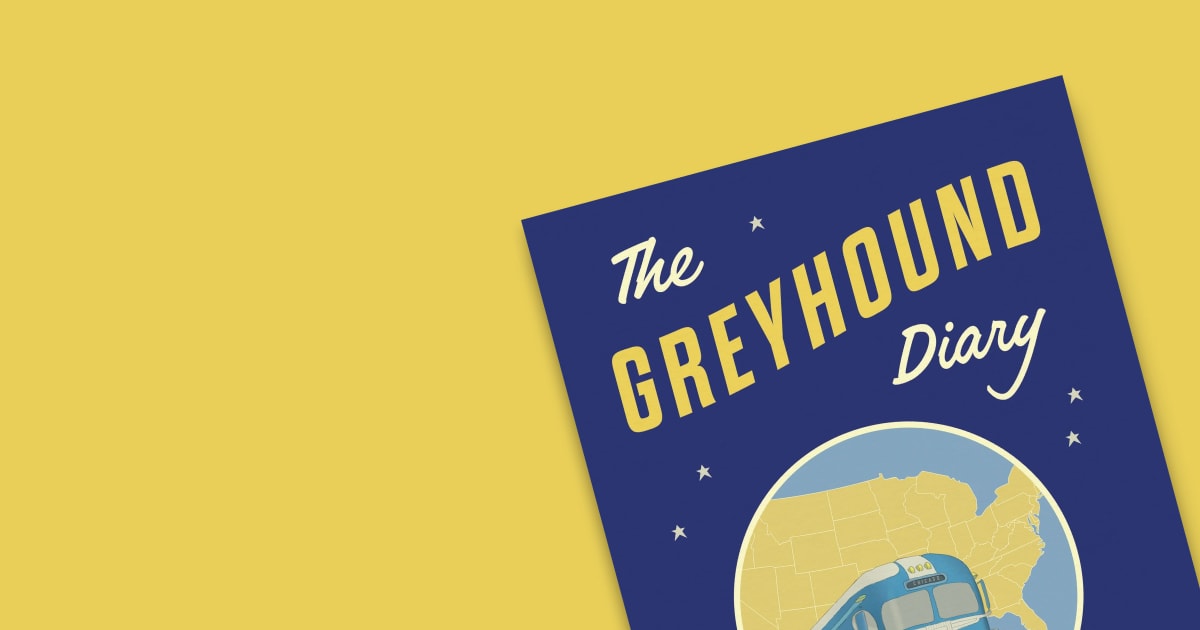
Book review: Judy Montagu’s The Greyhound Diary

Min read
share

This lively diary also serves as an informal record of post-war America, a more hopeful country than it is today. Truman was president and, victorious in the Second World War, the country was still showing many of the benefits of Roosevelt’s New Deal. Judy Montagu was twenty-three when she set off on her solo Greyhound adventure on 25 April 1949, but had already had a full life. She was the daughter of Venetia Stanley — adored by Prime Minister Herbert Asquith — and of Edwin Montagu, though DNA later showed that Eric Adnam, future Earl of Dudley, was Judy’s father.

At sixteen, Judy had joined the Auxiliary Territorial Service with her cousin and friend Mary Churchill, Winston’s daughter. By mid-war she had been promoted to inspect anti-aircraft batteries around Britain. In 1944 her beloved, Bruce Grimston DFC, was shot down on a mission. Perhaps Judy’s forays to the United States served as an escape from that, because by April 1949 she had visited post-war America four times, her trips there enhanced by her friendship with Bindie, already married to the later notorious Lord Lambton.

Isaiah Berlin, describing Judy as “charming, gay, very amusing, full of irony and very quick,” in 1946 introduced her to Joe Alsop, kingpin in Georgetown, Washington. Alsop was co-author of a widely syndicated column, A Matter of Fact, and a champion of Roosevelt’s New Deal, despite being a Republican. He promoted America’s military strength and encouraged the post-war British-American alliance — NATO was formed three weeks before Judy set off on the Greyhound. Joe gave her top introductions along her route, writing to Jack Arvey, chairman of the Cook County Democrats: “She is sufficiently eccentric to be travelling across country by bus.”

Twenty years later, in 1970, during the Vietnam War, I too took the Greyhound. Our American cousin wrote to my grandmother: “Anne — my mother — seems to think it all right for Elisa to travel round America alone by bus.” I wasn’t alone, but with an Englishman who had a commission to collect American underground newspapers. Like Judy, I kept a diary.

Judy’s hitherto unpublished diary is not only fun but informative, enhanced by her daughter Anna Mathias’s intelligent introduction and footnotes. The diary covers 253 hours, seventy-eight days and 8,860 miles, “in an arc” from Washington to Chicago. Judy wrote up her experiences daily, sometimes at 3 a.m., sending them to be typed by her friend Minnie Cushing Astor’s secretary. She listed each expenditure. Four days hospitalised with measles in St Louis: $93.25. Bellboy: twenty-five cents. On her first lap, Washington to Charlottesville, she discovered too late you could pay twenty cents extra for pillow service.

Her curiosity about fellow travellers and her lack of snobbery, despite her privileged background and connections, is appealing. Going to Spartanburg, South Carolina, she sat next to “an incredible old girl — another stage character — Tennessee Williams this time ... in rusty black flowing garments with a crazy straw hat on her ragged grey hair and three vast ropes of imitation pearls which were beginning to peel in places ... she put out a claw, clutched me and fixed me with an intense stare.” She handed five dollars to a man with a hard-luck story. Another co-passenger, from Flagstaff to Los Angeles, who had lost two sons in the war, put a hand on her knee but she gave him a “hard sidekick,” citing a nightmare about a snake.

Heading to Charleston, she sat beside a lady of sixty-five who had retrained and was now “working on TB, mostly among the coloured people.” Towards Greenville, Kentucky, she sat by “a man of overwhelming charm and goodness.” A cotton farmer of about fifty with two little girls of seven and ten. His wife had died when the seven-year-old was born and he had brought up these two and five older children. Mr Keir was full of the great changes in the South during the past fifteen years and was an almost fanatical Roosevelt supporter, saying, “I owe everything I have today to that President.”

In contrast, in Caldwell, Idaho, Judy gave a talk praising the new socialist government in England — to a polite but sceptical reception. Always game, she rode (terrified) in a Texas rodeo and drank absinthe in New Orleans. I loved all the cocktails: Old Fashioneds, mint juleps, dry martinis, Ramos Gin Fizz — a favourite of Huey Long, fortieth governor of Louisiana, assassinated in 1935 — and Alexanders, “made of cream, gin and something that tasted like coffee.”

In California Judy was introduced to the debonair David Niven — he took a dim view of Shirley Temple — and a very drunk Mary Pickford. In Richmond, Virginia, she had met Bob Hope but was tongue-tied. Judy’s dinner at the home of a Mormon family who befriended her is touching — she was served alone, as it was their weekly fast day, their meal’s cost given to the needy. What struck me most in this diary was the generosity and friendliness of so many Americans to a stranger, something I have encountered often while travelling alone there.

This lively diary also serves as an informal record of post-war America, a more hopeful country than it is today. Truman was president and, victorious in the Second World War, the country was still showing many of the benefits of Roosevelt’s New Deal. Judy Montagu was twenty-three when she set off on her solo Greyhound adventure on 25 April 1949, but had already had a full life. She was the daughter of Venetia Stanley — adored by Prime Minister Herbert Asquith — and of Edwin Montagu, though DNA later showed that Eric Adnam, future Earl of Dudley, was Judy’s father.

At sixteen, Judy had joined the Auxiliary Territorial Service with her cousin and friend Mary Churchill, Winston’s daughter. By mid-war she had been promoted to inspect anti-aircraft batteries around Britain. In 1944 her beloved, Bruce Grimston DFC, was shot down on a mission. Perhaps Judy’s forays to the United States served as an escape from that, because by April 1949 she had visited post-war America four times, her trips there enhanced by her friendship with Bindie, already married to the later notorious Lord Lambton.

Isaiah Berlin, describing Judy as “charming, gay, very amusing, full of irony and very quick,” in 1946 introduced her to Joe Alsop, kingpin in Georgetown, Washington. Alsop was co-author of a widely syndicated column, A Matter of Fact, and a champion of Roosevelt’s New Deal, despite being a Republican. He promoted America’s military strength and encouraged the post-war British-American alliance — NATO was formed three weeks before Judy set off on the Greyhound. Joe gave her top introductions along her route, writing to Jack Arvey, chairman of the Cook County Democrats: “She is sufficiently eccentric to be travelling across country by bus.”

Twenty years later, in 1970, during the Vietnam War, I too took the Greyhound. Our American cousin wrote to my grandmother: “Anne — my mother — seems to think it all right for Elisa to travel round America alone by bus.” I wasn’t alone, but with an Englishman who had a commission to collect American underground newspapers. Like Judy, I kept a diary.

Judy’s hitherto unpublished diary is not only fun but informative, enhanced by her daughter Anna Mathias’s intelligent introduction and footnotes. The diary covers 253 hours, seventy-eight days and 8,860 miles, “in an arc” from Washington to Chicago. Judy wrote up her experiences daily, sometimes at 3 a.m., sending them to be typed by her friend Minnie Cushing Astor’s secretary. She listed each expenditure. Four days hospitalised with measles in St Louis: $93.25. Bellboy: twenty-five cents. On her first lap, Washington to Charlottesville, she discovered too late you could pay twenty cents extra for pillow service.

Her curiosity about fellow travellers and her lack of snobbery, despite her privileged background and connections, is appealing. Going to Spartanburg, South Carolina, she sat next to “an incredible old girl — another stage character — Tennessee Williams this time ... in rusty black flowing garments with a crazy straw hat on her ragged grey hair and three vast ropes of imitation pearls which were beginning to peel in places ... she put out a claw, clutched me and fixed me with an intense stare.” She handed five dollars to a man with a hard-luck story. Another co-passenger, from Flagstaff to Los Angeles, who had lost two sons in the war, put a hand on her knee but she gave him a “hard sidekick,” citing a nightmare about a snake.

Heading to Charleston, she sat beside a lady of sixty-five who had retrained and was now “working on TB, mostly among the coloured people.” Towards Greenville, Kentucky, she sat by “a man of overwhelming charm and goodness.” A cotton farmer of about fifty with two little girls of seven and ten. His wife had died when the seven-year-old was born and he had brought up these two and five older children. Mr Keir was full of the great changes in the South during the past fifteen years and was an almost fanatical Roosevelt supporter, saying, “I owe everything I have today to that President.”

In contrast, in Caldwell, Idaho, Judy gave a talk praising the new socialist government in England — to a polite but sceptical reception. Always game, she rode (terrified) in a Texas rodeo and drank absinthe in New Orleans. I loved all the cocktails: Old Fashioneds, mint juleps, dry martinis, Ramos Gin Fizz — a favourite of Huey Long, fortieth governor of Louisiana, assassinated in 1935 — and Alexanders, “made of cream, gin and something that tasted like coffee.”

In California Judy was introduced to the debonair David Niven — he took a dim view of Shirley Temple — and a very drunk Mary Pickford. In Richmond, Virginia, she had met Bob Hope but was tongue-tied. Judy’s dinner at the home of a Mormon family who befriended her is touching — she was served alone, as it was their weekly fast day, their meal’s cost given to the needy. What struck me most in this diary was the generosity and friendliness of so many Americans to a stranger, something I have encountered often while travelling alone there.

share

subscribe to the catholic herald today

Our best content is exclusively available to our subscribers. Subscribe today and gain instant access to expert analysis, in-depth articles, and thought-provoking insights—anytime, anywhere. Don’t miss out on the conversations that matter most.
Subscribe