

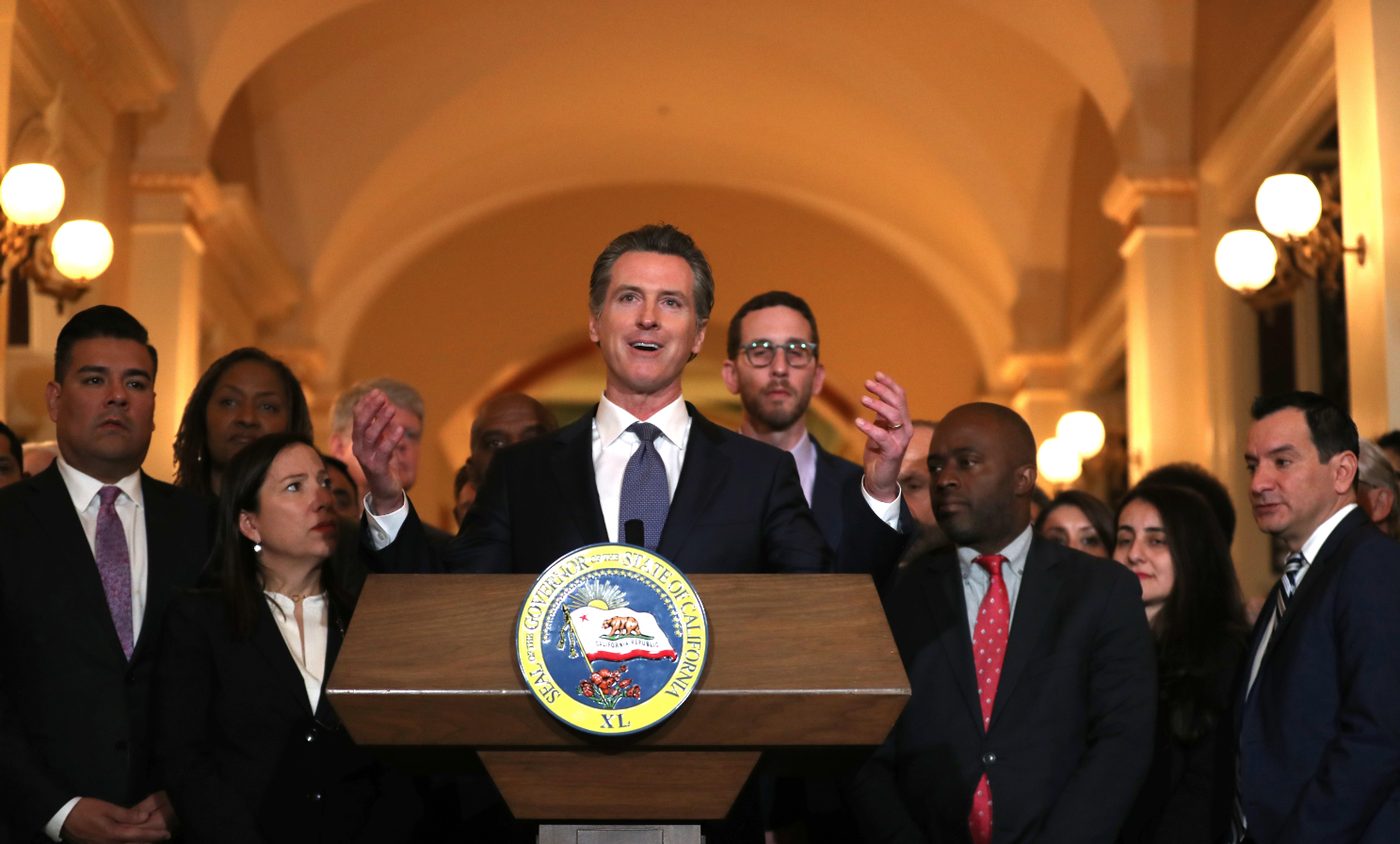
When California Governor Gavin Newsom (pictured) issued a moratorium on executions last week, the state’s bishops voiced their approval. “We appreciate this recognition that the state has the adequate means to defend human dignity and public safety without recourse to capital punishment,” said Archbishop Salvatore Cordileone in a statement on behalf of the California bishops. “We ask the Governor to urge the legislature to find a permanent legislative solution that will end the practice of capital punishment in our state for good.” Archbishop José Gómez of Los Angeles, meanwhile, said the decision marked “a good day for California and a good day for our country”. Echoing Newsom’s own reasoning for the change, he added: “It does not deter violent crime and it does not bring true justice or healing to victims of violent crime. And sadly, judicial execution has always been a punishment imposed far more often on African Americans, Hispanics and the poor in our society.” After the announcement, Newsom hopped on a plane to the East Coast for a series of media appearances in support of his new policy. This would not be the first time that Newsom has stepped out in a timely way to support a social issue that seemed to be growing in popularity. In 2004, as mayor of San Francisco, he issued marriage licenses to gay couples in contravention of state law. They were voided by the state Supreme Court less than a year later, but the momentum towards legalising same-sex marriage proved unstoppable. In this case, however, Newsom’s move will be welcomed by many Catholics. Last August, Pope Francis approved a change to the Catechism of the Catholic Church declaring that capital punishment was “inadmissible” and committing the Church to working to end the practice. The last execution in California took place in 2006. However, there are 737 inmates on death row – the highest number in any state, and more than the figures for next two states, Texas and Florida, combined. All 737 have now been reprieved by the governor. Of those, 25 would have been eligible to have executions scheduled. Yet arguably Newsom’s moratorium is more of a stunt than a real policy shift, in much the same way as his marriage license gambit. That’s not to say that a moratorium on executions is a bad thing, just that there has already been a de facto moratorium for the past 13 years. The last person to be executed in California was the 76-year-old Clarence Ray Allen on January 17, 2006. A month later, the state was preparing to execute the convicted murderer Michael Morales when it informed the 9th Circuit Court of Appeals that it could not comply with a lower court’s ruling that executions must be carried out by a licensed medical professional because of the combination of drugs used in lethal injections. California suspended the execution and, as medical personnel are forbidden to perform executions for ethical reasons, in effect a statewide moratorium began. Newsom’s moratorium has angered some Californians who point out that in 2016 the state’s citizens narrowly passed a ballot proposition, known as Proposition 66, seeking to accelerate the process of capital trials and executions. A competing proposition that would have abolished the death penalty was defeated. But whatever the merits of this particular issue, Catholics would do well to exercise caution when it comes to Newsom. He worked with Sam Singer, the San Francisco public relations don who, long before he went to war with Archbishop Cordileone, helped to handle the public relations fallout over Newsom’s affair with his campaign manager’s wife. Then there is the way Newsom refers to his faith in interviews. It’s generally a warning sign whenever a Democrat refers to his or her “Irish Catholic” roots, which Newsom did to deflect criticism of his brief relationship with Sofia Milos, the CSI:Miami star and prominent Scientologist. “Relax,” he told reporters. “I’m a practising Irish Catholic. I’m not a Scientologist, and I couldn’t tell you two things about it.” When an interviewer from his alma mater Santa Clara University asked Newsom in 2008 whether he considered himself a religious person, he replied: “I still maintain a strong sense of faith. The Irish Catholic rebel, I guess, in some respects, but one that still has tremendous admiration for the Church and very strong faith. It’s manifested for me in a less indoctrinated way, but the core principles still apply.” Newsom has admitted that the marriage license episode lost him some Catholic support. “One of the most well-known priests in the city said the worst decision in his life was telling people to vote for me for mayor,” he recalled. “And that’s very personal. He actually led a protest against me in the city on the streets to City Hall. And I wasn’t offended; he had a right to disagree. But he didn’t extend that same consideration and right to me. And then he’s questioned my own faith, which I reject as fundamentally inconsistent with everything I’ve learned. I don’t question other people’s faith. I’m not here to judge other people; it’s inconsistent with everything I’ve learned at Santa Clara.” It’s a good thing that there won’t be any executions in California for the foreseeable future, but let’s keep our praise of the governor in perspective.
2:00 PM
California's moratorium on executions is not all it seems
Jordan Bloom

5 min read



Already a subscriber? Sign in
5freearticles every month
Continue reading with a free account. No card needed.
- Five free articles every thirty days, on any device you sign in on
- The Catholic Herald newsletter, every morning
- Subscribe whenever you like for everything: every article and the magazine
Related articles
 Newsroom
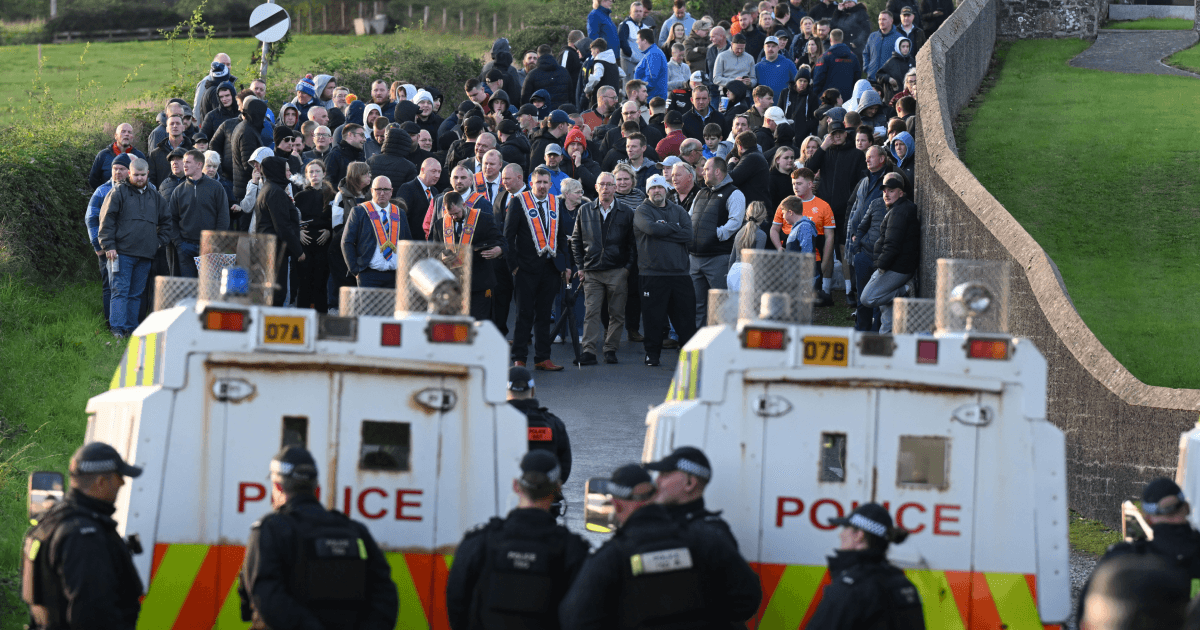
Church leaders urge Drumcree dialogue: ‘Too much is at stake’
The Catholic and Church of Ireland Archbishops of Armagh have urged a renewed commitment to peace and reconciliation amid the Drumcree stand-off
Corrie Douglas-Young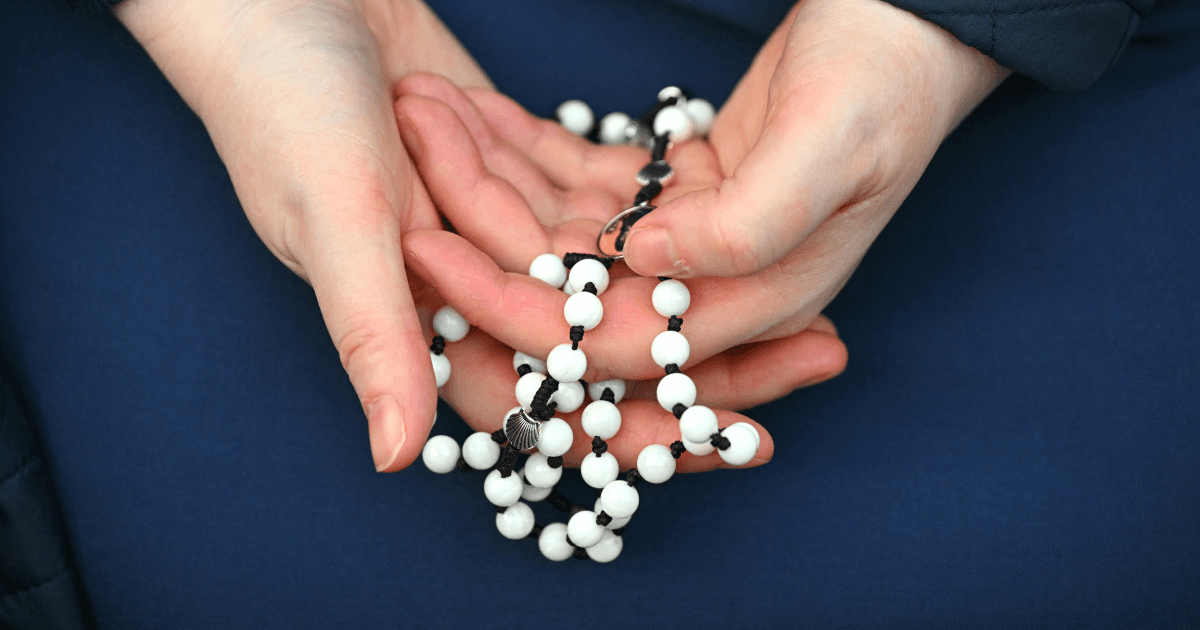 Newsroom
Thousands of Irish children to join global Rosary campaign
Corrie Douglas-Young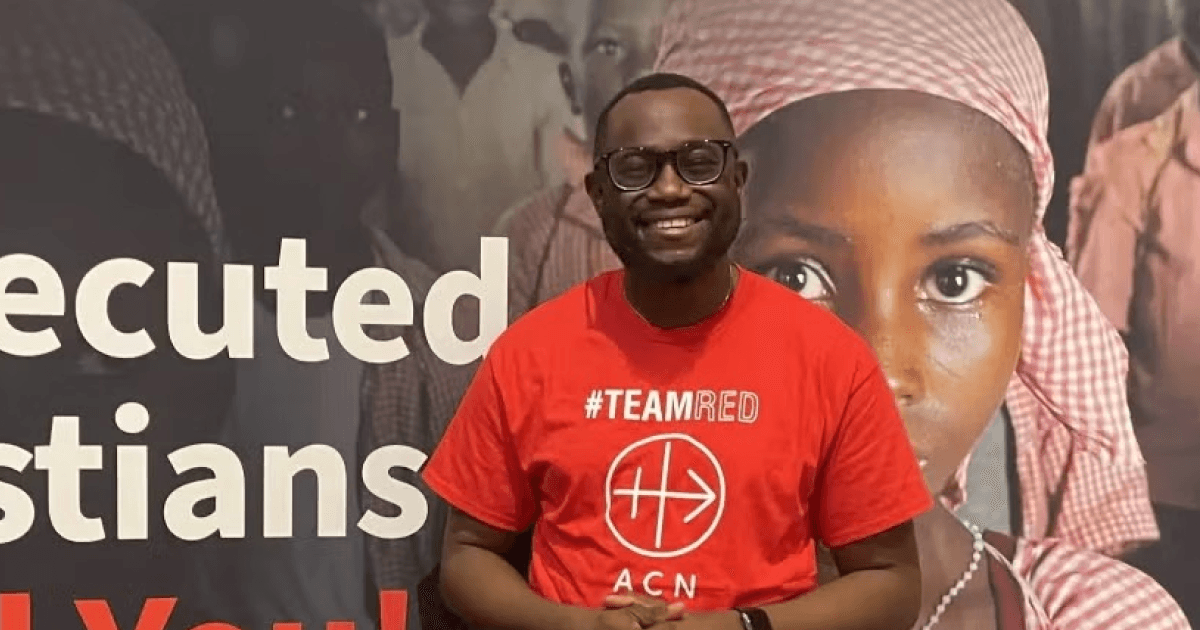 Newsroom
TikTok priest urges young people to stand with persecuted Christians
Nathalie Raffray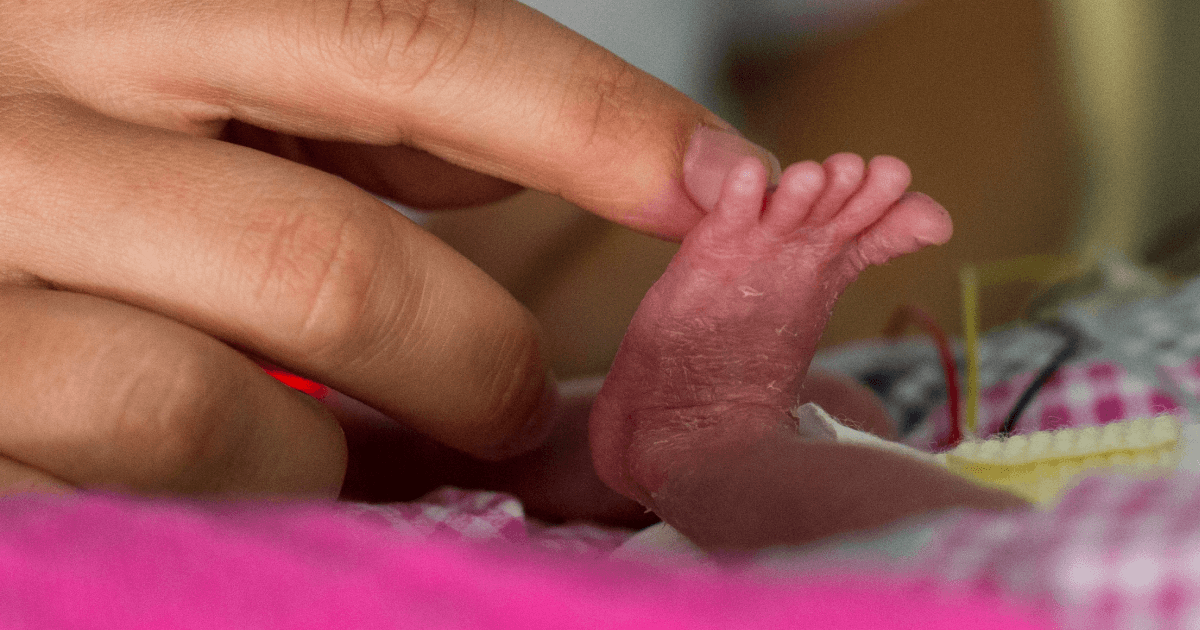 Newsroom
Baby born at 25 weeks reunites with neonatologist two years after leaving hospital
The Catholic Herald Newsroom
Joe Biden honoured by Planned Parenthood after defending abortion rights
Christine Rousselle
subscribe to the catholic herald today
Our best content is exclusively available to our subscribers. Subscribe today and gain instant access to expert analysis, in-depth articles, and thought-provoking insights—anytime, anywhere. Don’t miss out on the conversations that matter most.
Subscribe



