February 11, 2026

California's Original Sin (It's Not What You Think)

JeffreyCulbreath
More
Related
Min read
share

A priest once asked me how California got to be the morally decadent place that it is, and my answer — the Gold Rush — took him by surprise. I think he was expecting one of the usual conservative pieties about radical universities and the 1960s, or the political effects of immigration, or corrupt Democratic one-party rule.

There's a lot of romance associated with the California Gold Rush, but it's hard to overstate how wicked that whole sorry chapter really was, and how its godless shadow still oppresses the culture of this state. Our favored narratives rarely go back far enough. The politically useful story may well be untrue, or at least incomplete. History is more complicated than pieties allow.

Respectable and Barbarian


The first beneficiaries of the Gold Rush of 1849 were semi-respectable and educated easterners who were already here, mainly for land and adventure, and who were able to restrain their avarice somewhat with the habits of civilization. There were some genuinely good men among them, such as Gen. John Bidwell of Chico, along with half-crazy rascals like “Captain” John Sutter, a Swiss citizen, whose colorful life of fraud and ambition was marked with an endearing humanity.

But these men were quickly overrun with the more or less naked barbarism of the forty-niners and their successors. By 1850 the population of the state was 89.5% male (not counting Indians). In the 1850s and 60s the homicide rates for Sacramento, San Francisco, and the mining towns were off the charts. Murder, casual violence, thievery, prostitution, and gambling defined the character of these places.

A mining claim was only as safe as the number and speed of the guns defending it. The only relief from pure social Darwinism was vigilantism, which often proved just as murderous. Historians record that men who were not prone to violence were forced to build a reputation for violence in order to survive.

Racial and ethnic hostility was hot and undisguised, affecting all groups. Ethnically-related miners banded together for protection, as the colorful names of their mining camps often suggest: — Irishtown, French Gulch, China Bar, and so on. Joaquin Murrieta, once a peaceful Mexican prospector and gambler, was galvanized into banditry by racist Yankees who killed his wife and brother. He spent the rest of his career terrorizing the non-Hispanic mining camps throughout the Sierras and beyond, leaving a trail of vengeance and brutality unmatched to this day.

The Chinese were uniquely hard working and successful and were for that reason hated and plundered. Murrieta's gang preyed on them ruthlessly. They seldom fought back and typically just moved on. The native Indians, of course, were dramatically in the way of all this "progress,” and the first governor of California virtually authorized a campaign of genocide. The Californios (former Mexican citizens who owned large ranches) lost most of their lands “legally,” as American courts awarded them to ravenous newcomers on the basis of title discrepancies or surveying technicalities.

The Forty-Niners’ Heirs


As a sometime chaser of ghost towns and semi-ghost towns, I will say this: I haven't been to any where there wasn't a palpable sense of lingering evil. The noise drowns this out in the cities, but in the mountains it seems to be amplified. Here in the midst of all this stunning natural beauty, the splendor and glory of creation, these gorgeous mountains and canyons that today’s Californians often call "God's country" — here is the very source of California's moral and spiritual malaise.

Many fine, decent, salt-of-the-earth people live in California's mother lode country, but even they will tell you that the region is beset with the spiritual heirs of the forty-niners in updated form. Their neighbors are occultists, new agers, pot growers, meth cookers, biker gangs, and political crackpots of the extreme right and left, all partaking of the lawless spirit of the Gold Rush in one fashion or another. And of course the modern-day gold seekers, chasers of the "California dream," dominate the state's self-image from Beverly Hills to the Silicon Valley.

California’s story is complicated, to be fair. There are many strains of influence. The state's robust Catholic heritage is still here, a constant backdrop, culturally significant and pretty much unavoidable, restraining and taking the edge off of California's otherwise unhinged paganism.

Between 1848 and 1870, the state’s non-Indian population increased from merely 12,000 to a bustling 560,000. These newcomers were all here for “the California dream” — if not gold itself, then quick riches by some other means, or else freedom from the social constraints of New England.

California’s Original Sin


As California’s eminent historian, Kevin Starr, writes in Americans and the California Dream: “For all of its lively landscape, there was a harshness to life in California, an ethos of survival of the fittest which began in the Gold Rush and continued throughout the century. Exploitation characterized urban and rural life alike. It called itself Progress.”

Californians today like to think we have put this all behind us. But just as the libertine thinks he has escaped Puritanism but in fact is still haunted by it, so also today’s Californian thinks he has escaped the shadow of the Gold Rush but is still formed by it. California has re-directed, towards other forms of expression, the same spirit of radical individualism, deracinated dreams, and liberation from the constraints of Christian civilization that was California’s original sin.

St. Junipero Serra, ora pro nobis!

Jeffrey Culbreath writes from Sacramento and is proud to be a fourth generation Californian.

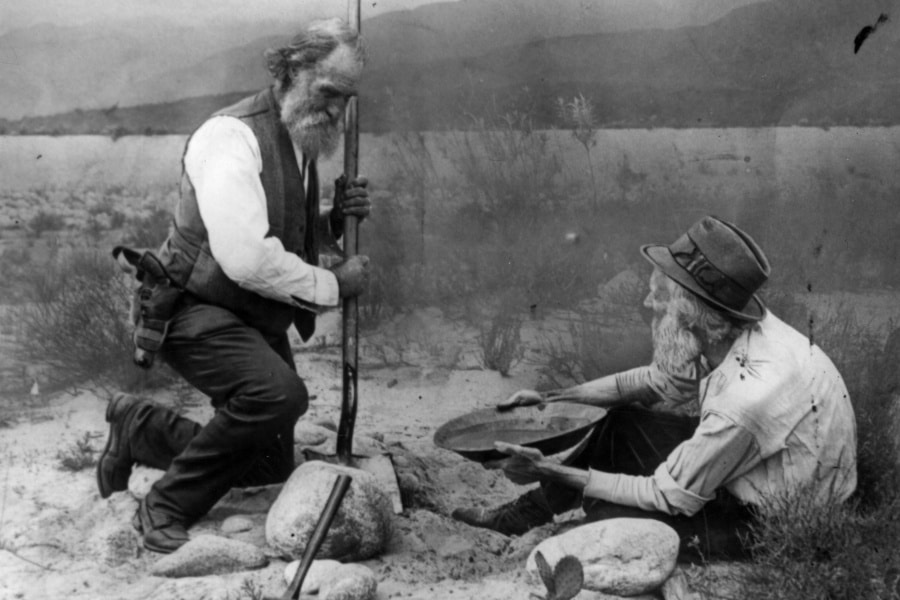
The picture of the prospectors is provided by General Photographic Agency/Getty Images.

A priest once asked me how California got to be the morally decadent place that it is, and my answer — the Gold Rush — took him by surprise. I think he was expecting one of the usual conservative pieties about radical universities and the 1960s, or the political effects of immigration, or corrupt Democratic one-party rule.

There's a lot of romance associated with the California Gold Rush, but it's hard to overstate how wicked that whole sorry chapter really was, and how its godless shadow still oppresses the culture of this state. Our favored narratives rarely go back far enough. The politically useful story may well be untrue, or at least incomplete. History is more complicated than pieties allow.

Respectable and Barbarian


The first beneficiaries of the Gold Rush of 1849 were semi-respectable and educated easterners who were already here, mainly for land and adventure, and who were able to restrain their avarice somewhat with the habits of civilization. There were some genuinely good men among them, such as Gen. John Bidwell of Chico, along with half-crazy rascals like “Captain” John Sutter, a Swiss citizen, whose colorful life of fraud and ambition was marked with an endearing humanity.

But these men were quickly overrun with the more or less naked barbarism of the forty-niners and their successors. By 1850 the population of the state was 89.5% male (not counting Indians). In the 1850s and 60s the homicide rates for Sacramento, San Francisco, and the mining towns were off the charts. Murder, casual violence, thievery, prostitution, and gambling defined the character of these places.

A mining claim was only as safe as the number and speed of the guns defending it. The only relief from pure social Darwinism was vigilantism, which often proved just as murderous. Historians record that men who were not prone to violence were forced to build a reputation for violence in order to survive.

Racial and ethnic hostility was hot and undisguised, affecting all groups. Ethnically-related miners banded together for protection, as the colorful names of their mining camps often suggest: — Irishtown, French Gulch, China Bar, and so on. Joaquin Murrieta, once a peaceful Mexican prospector and gambler, was galvanized into banditry by racist Yankees who killed his wife and brother. He spent the rest of his career terrorizing the non-Hispanic mining camps throughout the Sierras and beyond, leaving a trail of vengeance and brutality unmatched to this day.

The Chinese were uniquely hard working and successful and were for that reason hated and plundered. Murrieta's gang preyed on them ruthlessly. They seldom fought back and typically just moved on. The native Indians, of course, were dramatically in the way of all this "progress,” and the first governor of California virtually authorized a campaign of genocide. The Californios (former Mexican citizens who owned large ranches) lost most of their lands “legally,” as American courts awarded them to ravenous newcomers on the basis of title discrepancies or surveying technicalities.

The Forty-Niners’ Heirs


As a sometime chaser of ghost towns and semi-ghost towns, I will say this: I haven't been to any where there wasn't a palpable sense of lingering evil. The noise drowns this out in the cities, but in the mountains it seems to be amplified. Here in the midst of all this stunning natural beauty, the splendor and glory of creation, these gorgeous mountains and canyons that today’s Californians often call "God's country" — here is the very source of California's moral and spiritual malaise.

Many fine, decent, salt-of-the-earth people live in California's mother lode country, but even they will tell you that the region is beset with the spiritual heirs of the forty-niners in updated form. Their neighbors are occultists, new agers, pot growers, meth cookers, biker gangs, and political crackpots of the extreme right and left, all partaking of the lawless spirit of the Gold Rush in one fashion or another. And of course the modern-day gold seekers, chasers of the "California dream," dominate the state's self-image from Beverly Hills to the Silicon Valley.

California’s story is complicated, to be fair. There are many strains of influence. The state's robust Catholic heritage is still here, a constant backdrop, culturally significant and pretty much unavoidable, restraining and taking the edge off of California's otherwise unhinged paganism.

Between 1848 and 1870, the state’s non-Indian population increased from merely 12,000 to a bustling 560,000. These newcomers were all here for “the California dream” — if not gold itself, then quick riches by some other means, or else freedom from the social constraints of New England.

California’s Original Sin


As California’s eminent historian, Kevin Starr, writes in Americans and the California Dream: “For all of its lively landscape, there was a harshness to life in California, an ethos of survival of the fittest which began in the Gold Rush and continued throughout the century. Exploitation characterized urban and rural life alike. It called itself Progress.”

Californians today like to think we have put this all behind us. But just as the libertine thinks he has escaped Puritanism but in fact is still haunted by it, so also today’s Californian thinks he has escaped the shadow of the Gold Rush but is still formed by it. California has re-directed, towards other forms of expression, the same spirit of radical individualism, deracinated dreams, and liberation from the constraints of Christian civilization that was California’s original sin.

St. Junipero Serra, ora pro nobis!

Jeffrey Culbreath writes from Sacramento and is proud to be a fourth generation Californian.

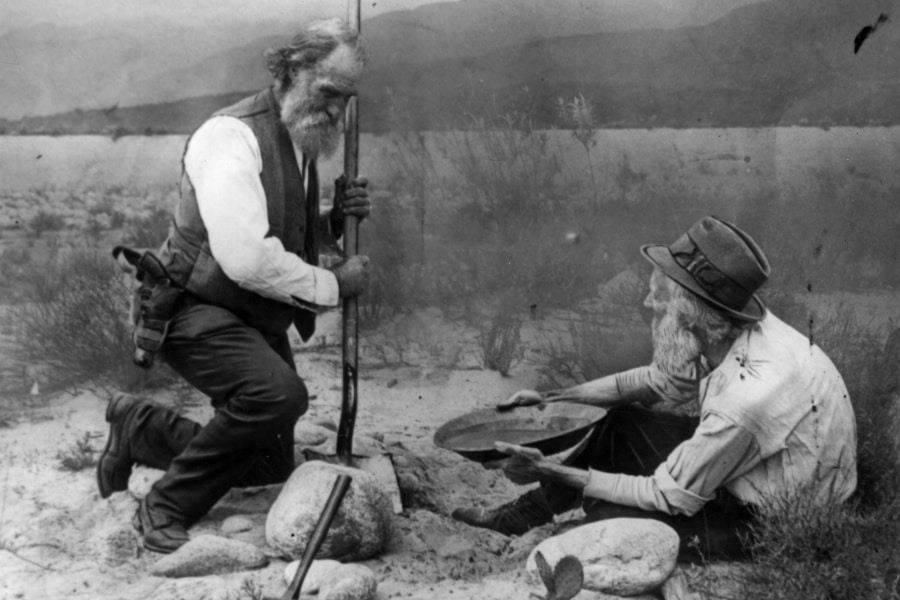
The picture of the prospectors is provided by General Photographic Agency/Getty Images.
subscribe to
the catholic herald

Continue reading your article with a subscription.
Read 5 articles with our free plan.
Subscribe

subscribe to the catholic herald today

Our best content is exclusively available to our subscribers. Subscribe today and gain instant access to expert analysis, in-depth articles, and thought-provoking insights—anytime, anywhere. Don’t miss out on the conversations that matter most.
Subscribe