July 16, 2026

Can Catholic higher education be saved? | In conversation with Dr Jonathan J Sanford

The Catholic Herald
More
Related
Min read
share

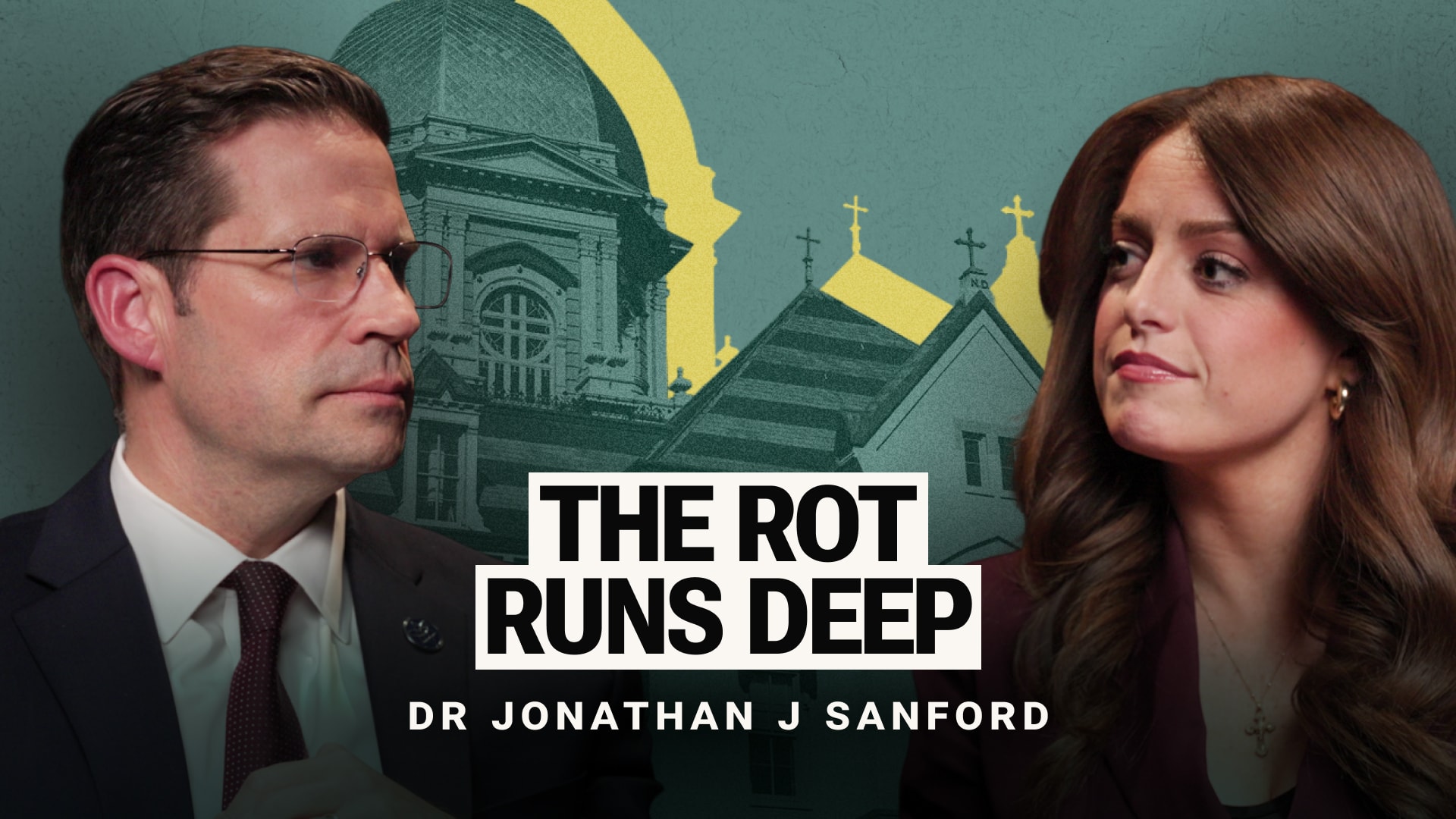
In this episode of In Conversation With, Mary Margaret Olohan sits down with Dr Jonathan Sanford, president of the University of Dallas, to discuss the state of Catholic higher education and what artificial intelligence means for the students coming through it.

AI is Sanford's first subject, and his argument runs against the grain of both the fears and the hype surrounding it. Drawing on the philosopher Shannon Vallor's image of AI as a kind of digital Narcissus, he says the danger is not that machines will out-think us but that people will mistake a compilation of digital history for a thinker in its own right. AI can summarise, he says, but it cannot think, and it is not a creative partner in the way so many now expect it to be. His answer is not caution but formation: a real liberal arts education, grounded in mathematics and the hard sciences as much as history and literature, is in his account the only thing that will let graduates master the coming disruption rather than be mastered by it.
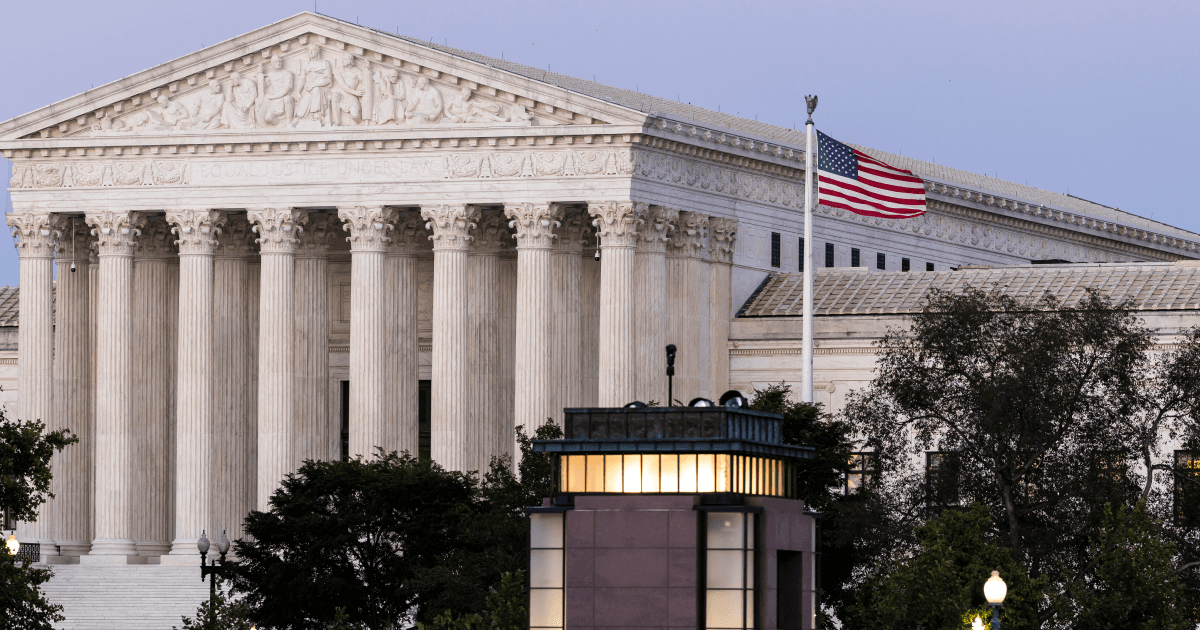
That argument sits inside a broader diagnosis of where Catholic higher education went wrong. Sanford traces the break to the 1960s Land O'Lakes statement, when many Catholic university presidents moved their institutions away from fidelity to the Church on the assumption that excellence and Catholic identity were in tension. He says the University of Dallas has spent decades proving the opposite, holding a two year core curriculum and a semester campus outside Rome alongside a formal alignment with the Magisterium and John Paul II's Ex Corde Ecclesiae. The results he points to are concrete: 12 bishops among its graduates, the current US ambassador to the Holy See, one of the highest medical school placement rates in the country and two lawyers who worked on the Dobbs case.

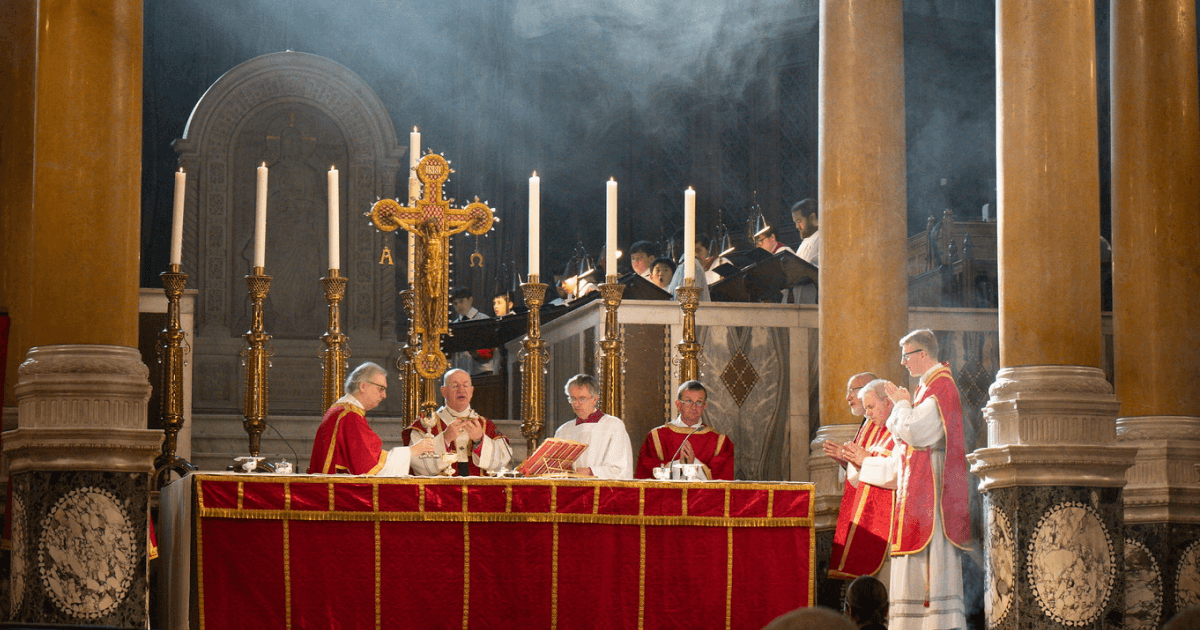
The campus's religious life is, in his telling, unusually dense for a university that belongs to no single religious order. Two Masses are said daily with Eucharistic adoration between them, and the neighbouring Cistercian Abbey of Our Lady of Dallas, a community of monks who fled communist Hungary, has been part of the university's history since its founding. Holy Trinity Seminary sits on the same campus, Dominican friars have taught there since the 1950s and Opus Dei houses stand nearby. Sanford frames this not as uniformity but as range: a student drawn to the Cistercians, the Dominicans or a traditional Latin Mass parish up the street can find a home, provided the underlying fidelity holds.

He is candid about where that fidelity has brought friction. The university will not hire a diversity officer, has clarified its residential life policies on premarital sex and holds a clear line on the difference between men and women in its athletics policy. Sanford insists this is compatible with hospitality rather than opposed to it: charity, in his view, is not the same thing as pretending, and one can disagree firmly with someone while still treating them with the dignity owed to every creature made by God.

Asked what success looks like a decade from now, Sanford points to money rather than mission. The university's convictions are not, he says, in doubt. What it needs is an endowment large enough to offset the cost of educating the large families who make up much of its student body, so that financial pressure never becomes a reason to soften either its academic standards or its Catholic identity.

Continue reading with a free account

Create a free account to read up to five articles each month
Create free account

You have # free articles remaining this month.

Subscribe to get unlimited access.
Sign up

subscribe to the catholic herald today

Our best content is exclusively available to our subscribers. Subscribe today and gain instant access to expert analysis, in-depth articles, and thought-provoking insights—anytime, anywhere. Don’t miss out on the conversations that matter most.
Subscribe