



Canadian cities must put an end to prayers during council meetings, the Supreme Court of Canada has ruled. The court said such prayers go against freedom of religion and conscience. In a unanimous decision and in the name of neutrality of state, all nine judges agreed that prayers should not be allowed anymore. The case submitted to the highest Canadian court pitted the mayor of Saguenay, a town 124 miles north of Quebec City, against Alain Simoneau and the Quebec Lay Movement. In 2006, Simoneau complained that the tradition of praying at the beginning of council meetings violated his right to freedom of conscience and religion. A Quebec human rights tribunal agreed with him and told Mayor Jean Tremblay and the city of Saguenay to drop the prayer and pay Simoneau $30,000. In 2013, the Quebec Court of Appeal ruled Saguenay could keep its prayer tradition, but the Supreme Court of Canada reversed that ruling. However, its ruling not only applies to the city of Saguenay, but to all cities and towns across Quebec and Canada. It said the freedom of conscience and religion provisions of the Canadian Charter of Rights and Freedom and the Quebec Charter "must be given a generous and expansive interpretation ... to ensure that those to whom these charters apply enjoy the full benefit of the rights and freedoms." Major cities, including Ottawa and Calgary, said they would stop saying prayers while they studied the impact of the court ruling. Tremblay is one of the very few Quebec politicians to openly talk about his Catholic faith. On April 16, he said he was "disappointed" by the Supreme Court's ruling and said although he would not oppose the court, Quebec residents should "stand up" for their traditions. Bishop Andre Rivest of Chicoutimi, Quebec, the diocese in which Saguenay is located, said he was not surprised by the ruling. "I supported the mayor, so I'm obviously disappointed. I'm the pastor of a region where about 95 percent of the population is Catholic, so praying is in our population's nature," he said. Though the Quebec Lay Movement heralded the decision as a major victory, University of Montreal constitutional specialist Sebastien Beaulac stressed that the main argument coming out of the ruling is the importance of the neutrality of the state. "Here, the Supreme Court sets the record straight and takes into account Canadian reality as it is. It is not a decision against Catholicism, since its content might be extrapolated to all religions. It is the idea of a public office not being associated with any religion that is the backbone of the ruling. Tremblay can still be Catholic: However, he can't use his position to promote his faith," he said.
1:25 PM
Canadian Supreme Court bans prayers at council meetings
In the name of neutrality of state, nine judges agreed that prayers should not be allowed at council meetings anymore
Catholic News Service


3 min read



Already a subscriber? Sign in
5freearticles every month
Continue reading with a free account. No card needed.
- Five free articles every thirty days, on any device you sign in on
- The Catholic Herald newsletter, every morning
- Subscribe whenever you like for everything: every article and the magazine
Related articles
 Newsroom
Church leaders urge Drumcree dialogue: ‘Too much is at stake’
The Catholic and Church of Ireland Archbishops of Armagh have urged a renewed commitment to peace and reconciliation amid the Drumcree stand-off
Corrie Douglas-Young Newsroom
Thousands of Irish children to join global Rosary campaign
Corrie Douglas-Young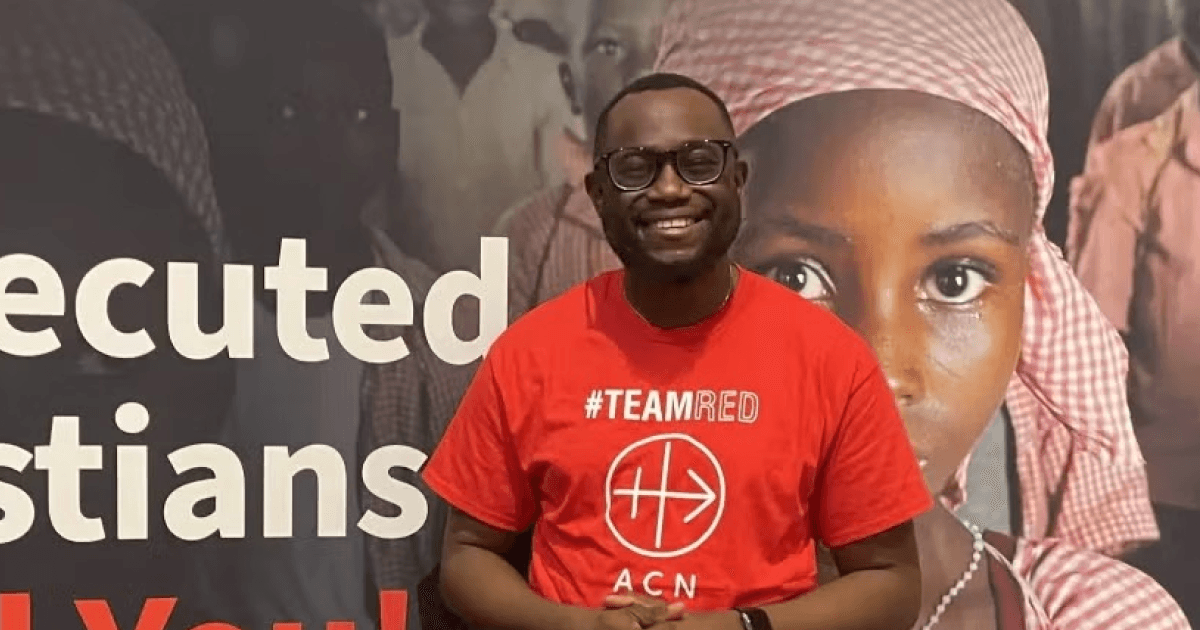 Newsroom
TikTok priest urges young people to stand with persecuted Christians
Nathalie Raffray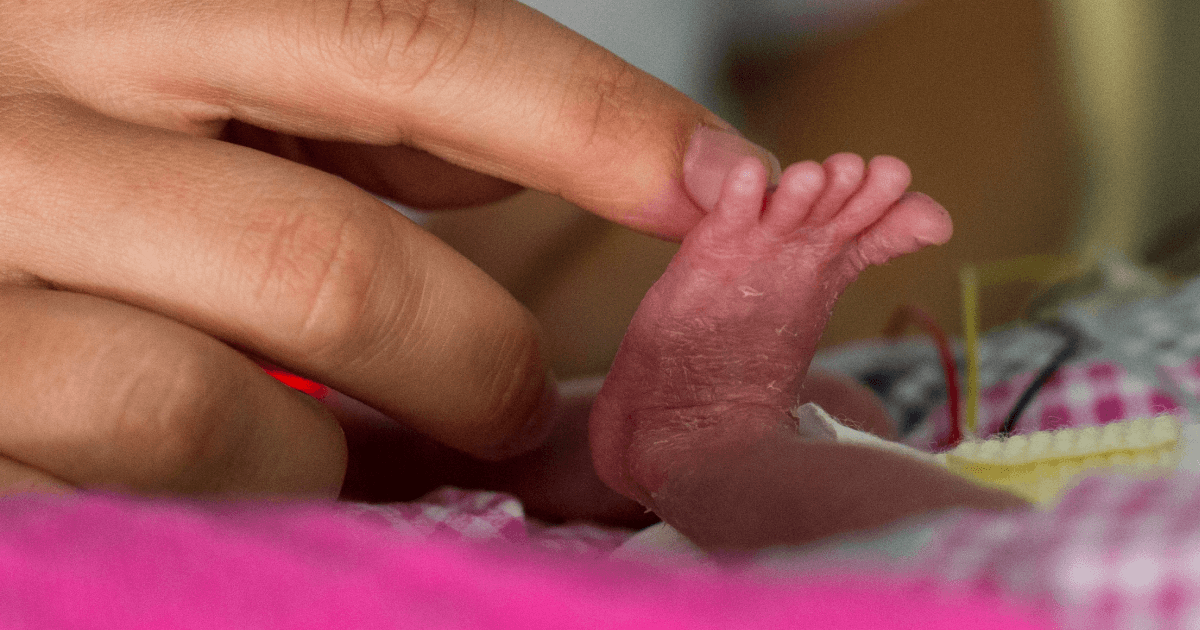 Newsroom
Baby born at 25 weeks reunites with neonatologist two years after leaving hospital
The Catholic Herald Newsroom
Joe Biden honoured by Planned Parenthood after defending abortion rights
Christine Rousselle
subscribe to the catholic herald today
Our best content is exclusively available to our subscribers. Subscribe today and gain instant access to expert analysis, in-depth articles, and thought-provoking insights—anytime, anywhere. Don’t miss out on the conversations that matter most.
Subscribe



