July 15, 2026

Cardinal Burke: Latin Mass ‘intimately linked’ to Church’s identity

Michael Haynes
More
Related
Min read
share

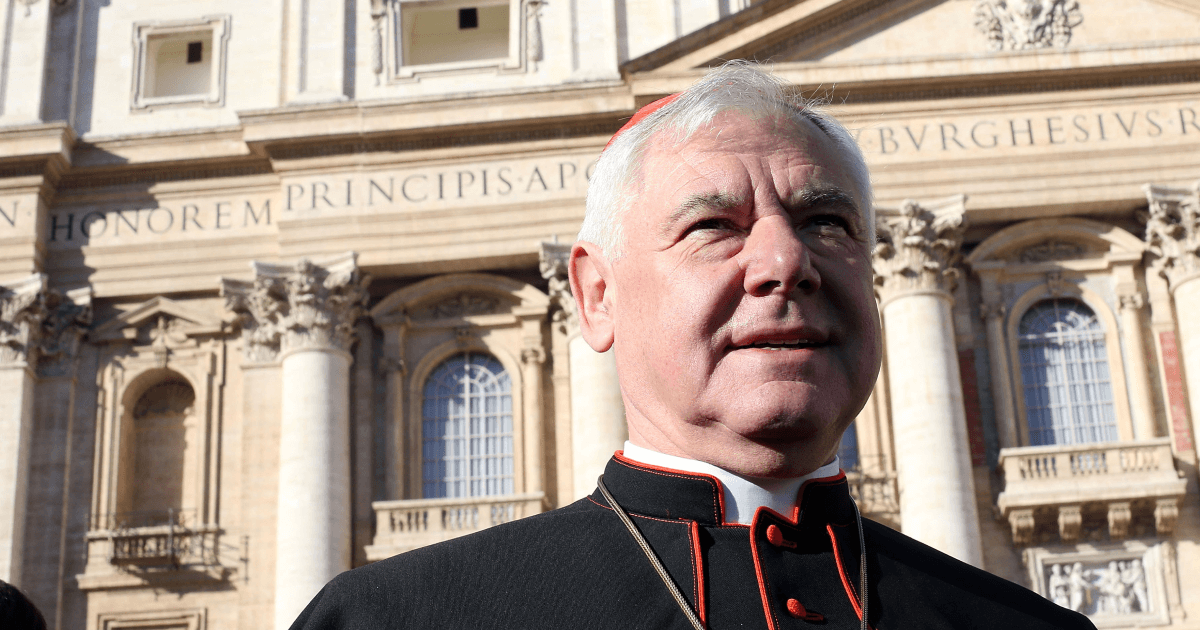
Cardinal Raymond Burke has renewed his defence of the traditional Mass, noting that it is “an invaluable treasure of the Church” which is “intimately linked” to Her very identity.  

The American cardinal has become arguably the most prominent proponent and defender of the traditional Mass in recent years, especially so in light of the restrictions imposed by Pope Francis via Traditionis Custodes. Interviewed by Notre-Dame de Chrétienté (NDC), the organising body of the annual Latin Mass Chartres pilgrimage, Burke renewed his stance on the liturgy in crystal clear terms.
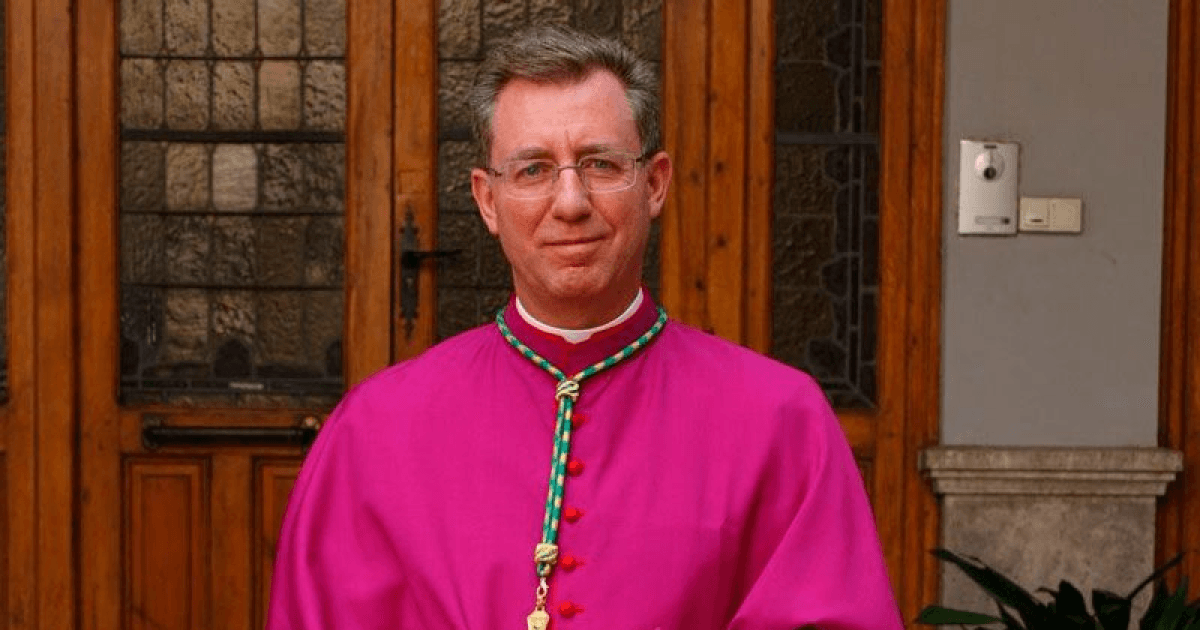
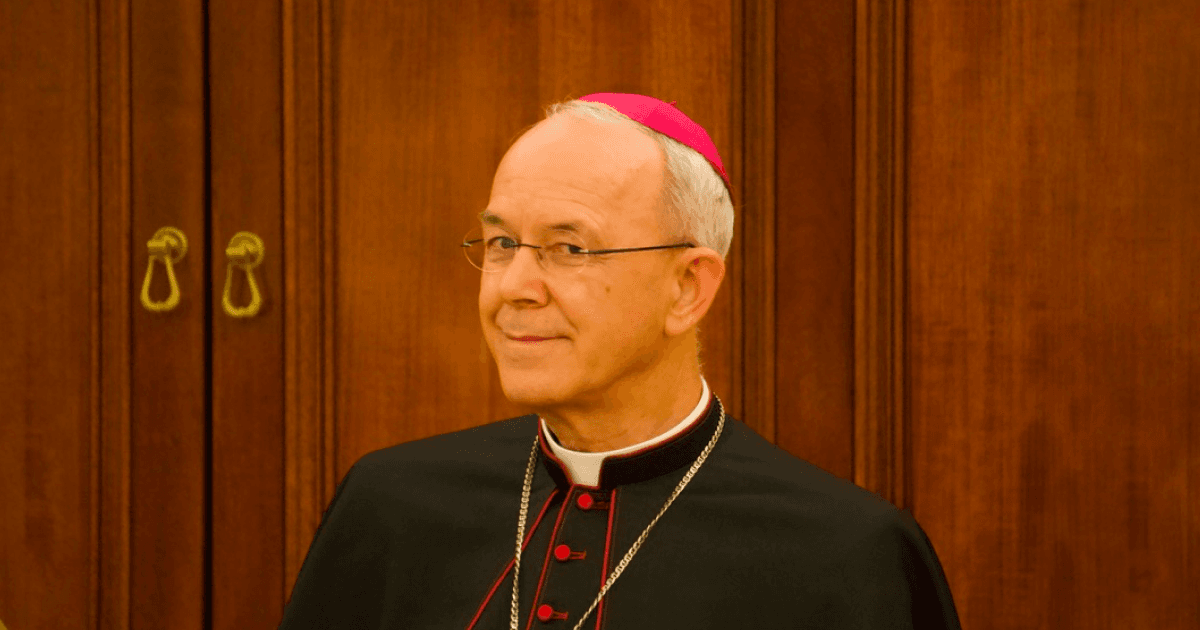
“The liturgy as practiced according to Ancient Usage of the Roman Rite is an invaluable treasure of the Church that must be preserved and cherished, for it is intimately linked to the very identity of the Roman Catholic Church,” he stated.  

Much discussion has been made in recent Vatican synods about a need for increased missionary work in the Church, and for Burke the traditional Mass is demonstrably “missionary”. This is clear from “its fruits, both now and in past centuries, for it draws people in through its sense of the sacred and the transcendent”, he commented.

As many have done likewise, he pointed also to the particular attraction found among young people for the Church’s ancient liturgy, linking its popularity among that generation to their “deep thirst for the spiritual in an increasingly secular world”.  

He also downplayed any suggestion of equality between different creeds – a belief which has found increased prominence in recent years among certain ecumenical movements – reiterating that missionary and evangelisation work of the Church must be born from Her identity as the singular vessel of salvation. “The only path to salvation that we know with certainty—because God has revealed it to us—is through the Church and baptism. It is in this sense that voluntarily separating ourselves from the Church through schism or heresy endangers one’s own salvation.”

When it comes to baptismal figures, France has been drawing much attention in the last few years due to the high numbers of people being received into the Church at Easter-time. This has been a welcome boost for the Church in the nation, but Burke cautioned that statistics do not tell the full story.

While the increase of adult conversions is “a very beautiful sign of hope,” he noted that “this should not obscure the decline in the number of child baptisms.” The Church’s missionary activities should “focus on this aspect, of course—not only encouraging parents to have their children baptised, but also ensuring that they receive a solid Christian upbringing.”

Though released on 14 July, Burke’s interview was conducted during the annual Paris-Chartres pilgrimage held on Pentecost weekend, which has become one of the most notable events on the international Catholic calendar, attracting thousands of pilgrims from across the globe.  

Despite immense heat, this year saw yet another record breaking number of pilgrims attend: some 20,000 people, with over half that figure being younger than 25.

The growing popularity of the Chartres pilgrimage has come in the face of similarly growing restrictions on the traditional Mass, but which has somewhat paradoxically raised the profile and interest in the Church’s ancient liturgy.  

The Chartres pilgrimage itself has come under threat of restrictions, and Cardinal Gerhard Müller recounted in 2024 how a “senior representative” of the Vatican’s Dicastery for Divine Worship objected to the pilgrimage’s growth since it was based around the traditional Mass. “Some see the old rite of Holy Mass as a greater danger to the unity of the Church than the reinterpretation of the Creed, or even the absence of Holy Mass,” Müller lamented.  

For Cdl. Burke, any suggestion that Catholics who attend the traditional liturgy are in any way a danger to the Church is out of the question. “It is obviously possible to be fully Catholic while receiving the sacraments according to the 1962 books. It is absolutely unacceptable to claim otherwise,” he stated.

He also rejected the notion – advocated by some critics – that attendees of the traditional Mass deny the more recent forms of the Missal, or “reject the Council outright”. Burke recalled how the traditional Mass was itself celebrated during the Second Vatican Council by the Council Fathers, additionally noting how the Church was in need of returning to the liturgical and historical suites conducted during those years. “There is a great deal of work to be done in this regard,” he said.

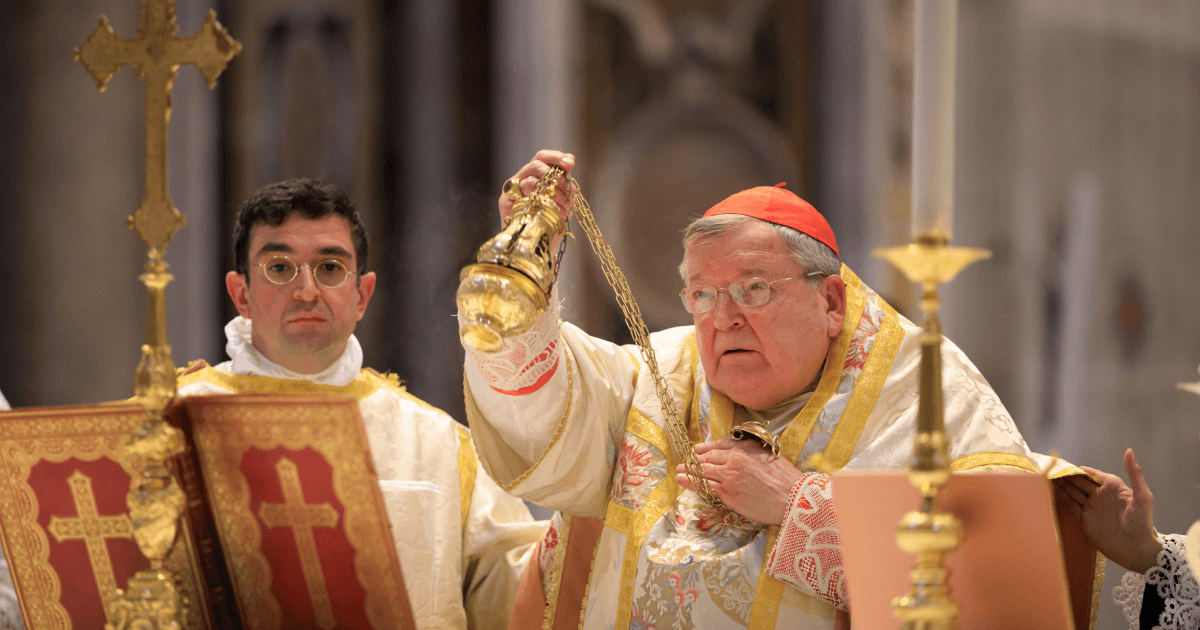
Last October, Burke was the celebrant of a traditional pontifical Mass in the Vatican as part of the annual Ad Petri Sedem pilgrimage. It was a liturgy replete with significance: the pilgrimage Mass was banned for the previous two years, and the last time a bishop was given permission to celebrate it was before the era of Traditionis Custodes.

The cardinal has himself raised questions about the canonical regularity of Traditionis Custodes, telling this correspondent previously that the document “is problematical from the point of view of canon law and also of the theological reality of the sacred liturgy”.

Burke is not alone in this view. Canonist Fr. Réginald-Marie Rivoire published a detailed study of the motu proprio and highlighted a number of areas in which “the principle of legality is not respected”.

At a time when the episcopal consecrations performed by the Society of Saint Pius X have thrust the question of the traditional Mass even more in the centre of the Church’s discussion, many Catholics have expected an easing of restrictions on the ancient liturgy at the hands of Pope Leo.  

The American Pope has shown himself sympathetic to the old rite in quiet ways – such as granting Burke permission to offer the high profile Vatican Mass in October, and instructing the French bishops to reverse their hostility to the Latin Mass. But so far any more direct and pro-active change in legislation has yet to emerge from the Vatican.  

Michael Haynes is an English journalist in the Holy See Press Corps. He serves as Vatican Correspondent for the Catholic Herald, while readers can follow him at Per Mariam and on X @MLJHaynes.

Continue reading with a free account

Create a free account to read up to five articles each month
Create free account

You have # free articles remaining this month.

Subscribe to get unlimited access.
Sign up

subscribe to the catholic herald today

Our best content is exclusively available to our subscribers. Subscribe today and gain instant access to expert analysis, in-depth articles, and thought-provoking insights—anytime, anywhere. Don’t miss out on the conversations that matter most.
Subscribe