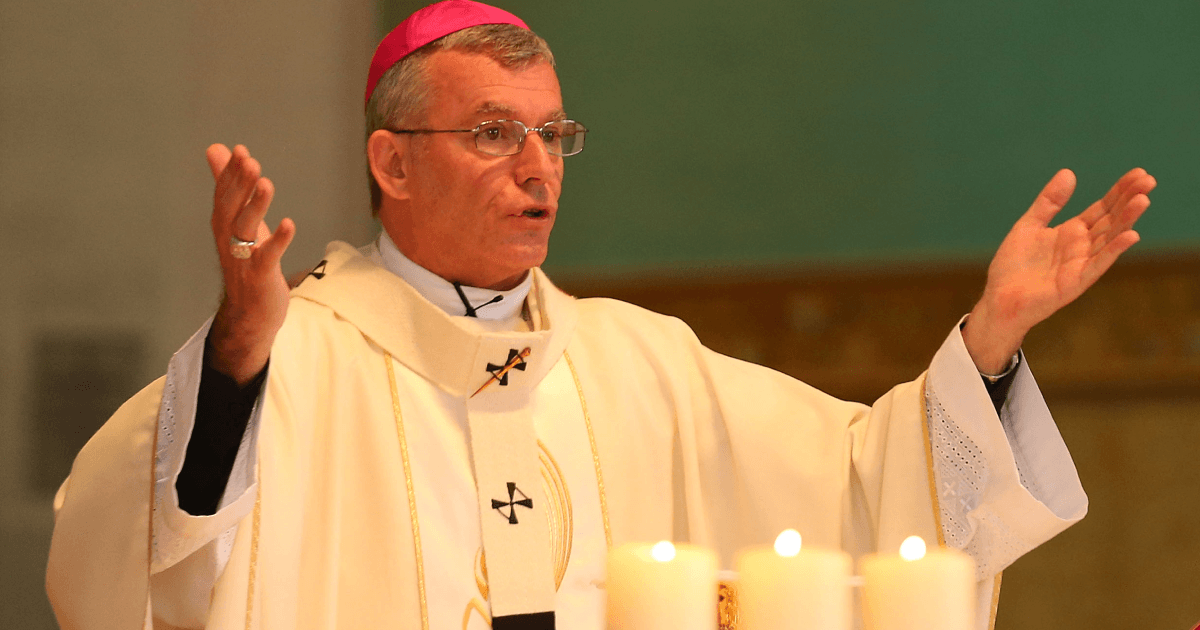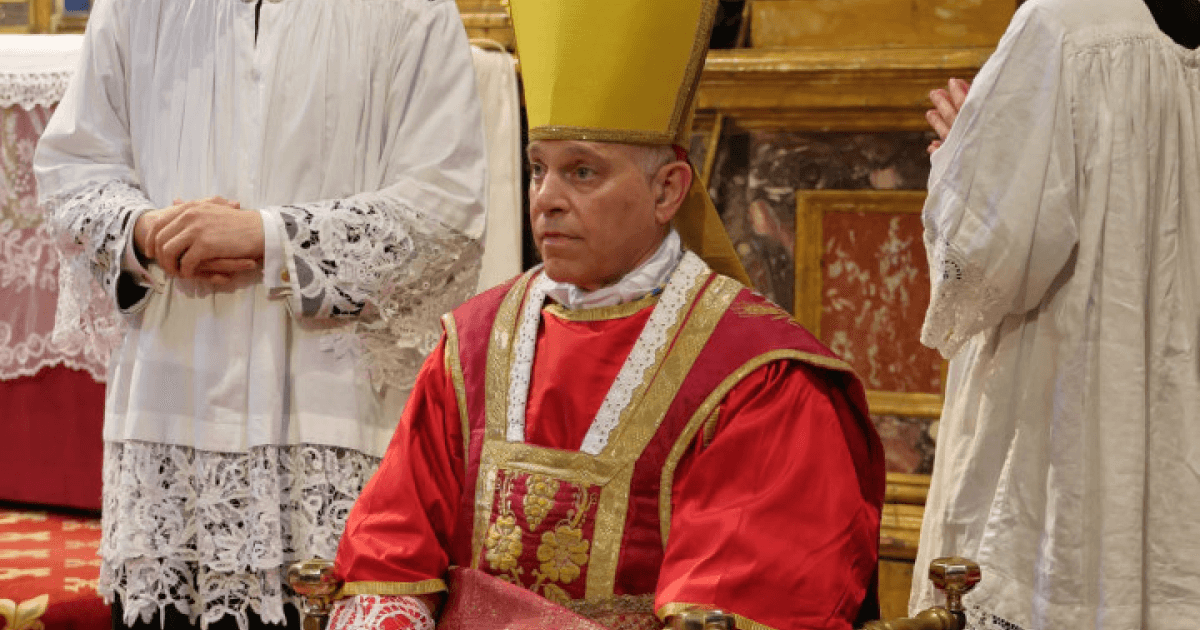
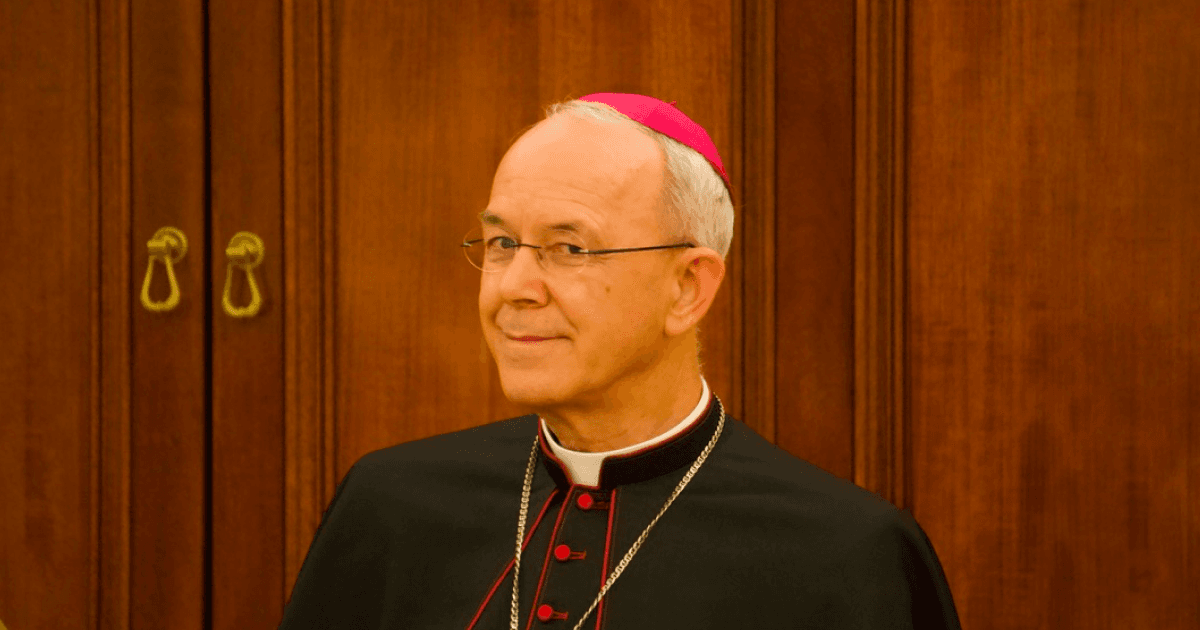
Archbishop Salvatore Cordileone has issued a nuanced response to the episcopal consecrations carried out by the Society of Saint Pius X, saying the action demonstrates “a growing lack of trust that has been simmering for a very long time”, while also calling for greater access to the traditional Mass.
The episcopal consecration of four new bishops for the Society of Saint Pius X (SSPX) on July 1 has prompted numerous responses from canonists, bishops and ecclesial commentators, with no lack of division in the varying takes each has given.
Some commentators and clergy have used the 1 July consecrations to attack Catholics who attend the traditional liturgy. Others have argued that for a Catholic to attend even one SSPX Mass is now an excommunicable offence – a false argument, but one born from the error-riddled documents issued by the Vatican in recent days.
For Archbishop Cordileone, the situation is a nuanced and complex affair, and this was reflected in the delicate line he trod in penning a statement. The SSPX’s consecrations “manifest a growing lack of trust that has been simmering for a very long time”, he said.
By way of a proactive response, the archbishop urged that Catholics be provided with easier access to the traditional liturgy – an aspect which is a key part of the SSPX’s identity, though by no means the sole issue in its differences with the Holy See.
“Let us pray that an ardent effort towards sincere and honest dialogue will soon start up,” he wrote, “and that easier access to the Traditional form of the Mass will be available to our people, so they will not feel as if they are constrained to seek spiritual nourishment outside of the family in union with Rome.”
Cordileone is not alone in advocating for wider access to the traditional Mass by way of a response to the Society’s episcopal consecrations. Canonist Fr Gerald Murray embodied the thoughts of many when he urged that Traditionis Custodes – the 2021 restrictions imposed on the traditional liturgy by Pope Francis – should be ripped up. “Pope Leo would be very well advised to put TC in the shredder and let’s have the traditional Mass freely,” he told Raymond Arroyo.
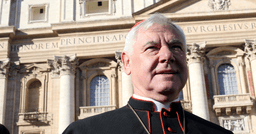
Cardinal Gerhard Müller has commented likewise, calling for the re-establishment of a Vatican office to promote and care for the traditional liturgy, thus filling the void left by the abolition of the Ecclesia Dei office in January 2019.
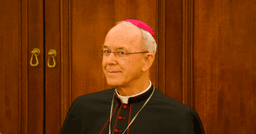
Archbishop Georg Gänswein, the former secretary to Pope Benedict XVI, soon added his voice to Müller’s in calling for an end to the restrictions on the ancient Mass in light of the Society’s consecrations. “Now I believe it is the kairos to remove those prohibitions and overcome the incident represented by that text,” he told Nico Spuntoni.
The SSPX has stated that the episcopal consecrations were – in part – necessary in order to ensure the continuation of access to the traditional sacraments. “Without bishops, there would be no more priestly ordinations; without ordinations, no more priests; and, in the long run, no more traditional Mass, no more traditional sacraments, no more comprehensive teaching of Catholic doctrine,” the Society wrote on 8 July.
Yet it added that its existence was not linked solely to the traditional Mass. Without bishops of its own, the Society attested that it would have been reliant upon diocesan bishops to ordain its priests, or to send Society attendees to diocesan Masses. This, the Society wrote, “would have implied accepting, at least practically, the false doctrines of the Council and the post-conciliar period.”
Cordileone, who has led the Archdiocese of San Francisco since October of 2012, is a well-known proponent of reverence in the liturgy as well as a regular celebrant of the traditional Mass itself. Speaking to this correspondent last year, Cordileone opined about the growth in popularity of the traditional rite, especially among young people. “This is a telltale sign that it is effective in evangelising because these young people, they’re living the fullness of the Catholic life – a lot of those moral teachings that were rejected after Vatican II,” he commented.
Opining on the dangers of continued restrictions on the traditional liturgy, Cordileone warned that should such restrictions remain in place then “the immediate danger would be people going to break-off communities or just feeling dejected and stop going to Church altogether.”
Leo XIV is currently in the midst of a summer holiday period at Castel Gandolfo and, as yet, no formal response has emerged from the Holy See regarding any potential removal of the traditional Mass restrictions. With this week marking the five-year anniversary of those same restrictions being imposed, the Pope’s decision on the matter is coming under increased scrutiny following the Society’s consecrations.
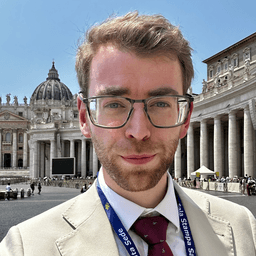
Michael Haynes is an English journalist in the Holy See Press Corps. He serves as Vatican Correspondent for the Catholic Herald, while readers can follow him at Per Mariam and on X/Twitter @MLJHaynes.