February 11, 2026

Cardinal Marx: Pope’s decision a ‘great challenge’

Staff Reporter
More
Related
Min read
share

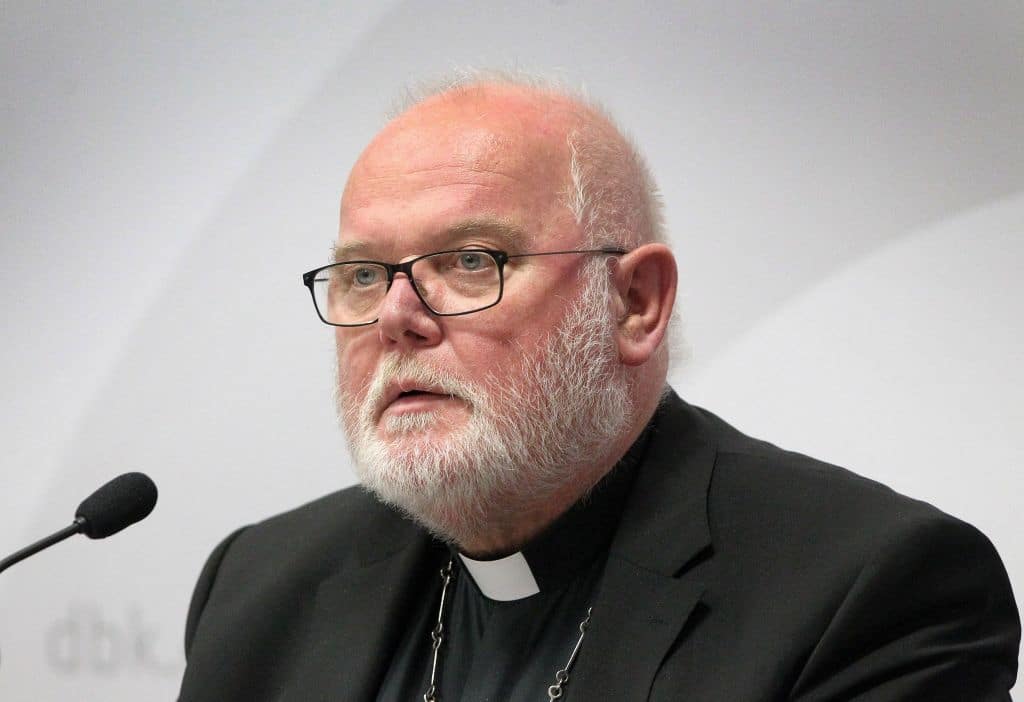
“In obedience, I accept decision, as I promised him,” said Cardinal Reinhard Marx in a statement following the pope’s decision to reject his resignation as head of the Archdiocese of Munich and Freising.

Cardinal Marx offered to resign his See in a “confidential and personal” letter to the pope that was later made public with the pope’s permission. In his letter, Marx said, “It is important to me to share the responsibility for the catastrophe of the sexual abuse by Church officials over the past decades.”
Cardinal Marx acknowledged that his own silence, neglect, and overemphasis on the reputation of the Church made him “personally guilty and responsible,” but also stressed the importance of accountability for “institutional and systemic failures.” In a personal statement released when the letter was made public, he added, “As a bishop, I have an ‘institutional responsibility’ for the acts of the Church in its entirety as for its institutional problems and failures in the past.”

Although agreeing with Cardinal Marx’s characterisation of the sex abuse crisis as “a catastrophe,” and on the importance of accepting responsibility for the crisis, Pope Francis refused to accept his resignation, instead asking him to stay on as Archbishop of Munich and Freising, confirming his mission and asking him to continue to work for “a spiritual renewal” in the Church.”

Cardinal Marx said he had not expected an answer so quickly, and that the pope’s decision to reject his resignation surprised him. At the same time, he said he was “moved by the detail and the very brotherly tone” of the pope’s letter, and that he felt how much the pope “understands and accepted” his request to resign.

He described the pope’s decision as “a great challenge” and insisted “after that, simply going back to the agenda cannot be the way for me, nor for the Archdiocese.” He said that, with the faithful of the Archdiocese, it was necessary to consider “which new paths we can travel,” saying that “in the next few weeks about how, together, we can contribute even more to the renewal of the Church here in our diocese and as a whole,” especially as the pope essentially agreed with his analysis, as well as providing “important impulses” for reform.

“What I emphasised in my statement remains the same,” he said. “I must bear personal responsibility, and I also have an ‘institutional responsibility,’ especially in view of those affected” – the victims – “whose perspective must be included even more.”

“In obedience, I accept decision, as I promised him,” said Cardinal Reinhard Marx in a statement following the pope’s decision to reject his resignation as head of the Archdiocese of Munich and Freising.

Cardinal Marx offered to resign his See in a “confidential and personal” letter to the pope that was later made public with the pope’s permission. In his letter, Marx said, “It is important to me to share the responsibility for the catastrophe of the sexual abuse by Church officials over the past decades.”
Cardinal Marx acknowledged that his own silence, neglect, and overemphasis on the reputation of the Church made him “personally guilty and responsible,” but also stressed the importance of accountability for “institutional and systemic failures.” In a personal statement released when the letter was made public, he added, “As a bishop, I have an ‘institutional responsibility’ for the acts of the Church in its entirety as for its institutional problems and failures in the past.”

Although agreeing with Cardinal Marx’s characterisation of the sex abuse crisis as “a catastrophe,” and on the importance of accepting responsibility for the crisis, Pope Francis refused to accept his resignation, instead asking him to stay on as Archbishop of Munich and Freising, confirming his mission and asking him to continue to work for “a spiritual renewal” in the Church.”

Cardinal Marx said he had not expected an answer so quickly, and that the pope’s decision to reject his resignation surprised him. At the same time, he said he was “moved by the detail and the very brotherly tone” of the pope’s letter, and that he felt how much the pope “understands and accepted” his request to resign.

He described the pope’s decision as “a great challenge” and insisted “after that, simply going back to the agenda cannot be the way for me, nor for the Archdiocese.” He said that, with the faithful of the Archdiocese, it was necessary to consider “which new paths we can travel,” saying that “in the next few weeks about how, together, we can contribute even more to the renewal of the Church here in our diocese and as a whole,” especially as the pope essentially agreed with his analysis, as well as providing “important impulses” for reform.

“What I emphasised in my statement remains the same,” he said. “I must bear personal responsibility, and I also have an ‘institutional responsibility,’ especially in view of those affected” – the victims – “whose perspective must be included even more.”

subscribe to
the catholic herald

Continue reading your article with a subscription.
Read 5 articles with our free plan.
Subscribe

subscribe to the catholic herald today

Our best content is exclusively available to our subscribers. Subscribe today and gain instant access to expert analysis, in-depth articles, and thought-provoking insights—anytime, anywhere. Don’t miss out on the conversations that matter most.
Subscribe