


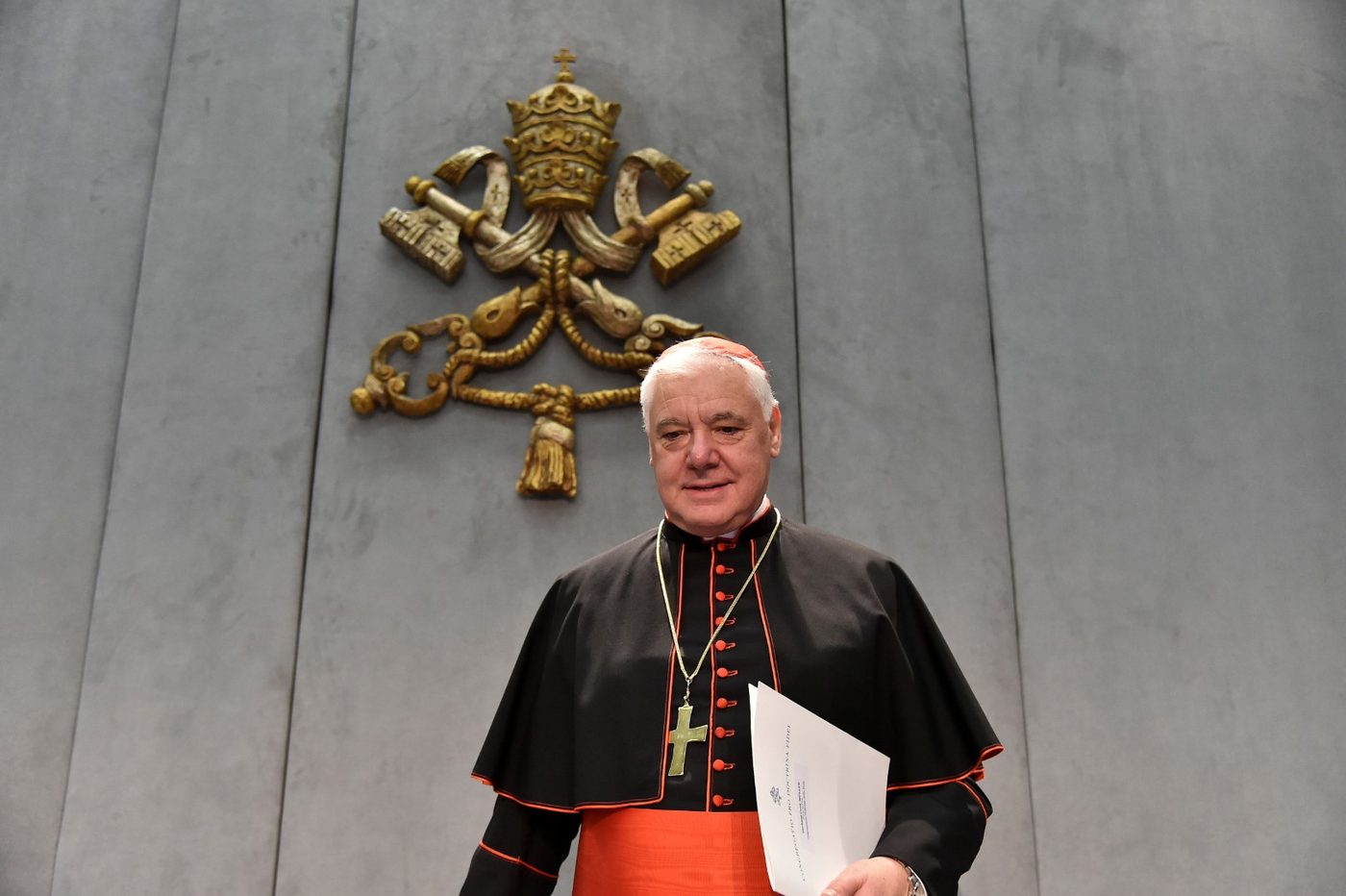
The Catholic Church cannot have “paradigm shifts” in the interpretation of the deposit of its faith, Cardinal Gerhard Müller has said. The former Prefect of the Congregation for the Doctrine of the Faith wrote that although Church doctrine does develop, it can only do so when it is grounded on what has come before. “Development of doctrine… refers to the process by which the Church, in her consciousness of the faith, comes to an ever deeper conceptual and intellectual understanding of God’s self-revelation,” the cardinal wrote in First Things. “Development of doctrine is possible because in the one truth of God all the revealed truths of faith are connected, and those that are more implicit can be made explicit.” By contrast, modernists seek to reinterpret doctrine and in doing so “corrupt” it rather than develop it. His words come after Cardinal Blase Cupich gave a talk entitled “Pope Francis’ Revolution of Mercy: Amoris Laetitia as a New Paradigm of Catholicity”. In that talk, he called for a “major shift in our ministerial approach that is nothing short of revolutionary”. This “paradigm shift” would involve moving from an approach focused on “the automatic application of universal principles” to one which is “continually immersed” in “concrete situations”. When asked whether this should be recognised as an attempt impose radical doctrinal change on the Church, the cardinal said those with such concerns should ask themselves: “Do we really believe that the Spirit is no longer guiding the Church?” However, Cardinal Müller writes that when people speak of a “paradigm shift” in relation to Amoris Laetitia “this seems to be a relapse into a modernist and subjectivist way of interpreting the Catholic faith.” Explaining the origin of the term, he writes:
3:28 PM
Cardinal Müller: there can be no ‘paradigm shifts’ in the Church
Talk of paradigm shifts 'seems to be a relapse into a modernist and subjectivist way of interpreting the Catholic faith', he said
Staff Reporter

4 min read



Already a subscriber? Sign in
5freearticles every month
Continue reading with a free account. No card needed.
- Five free articles every thirty days, on any device you sign in on
- The Catholic Herald newsletter, every morning
- Subscribe whenever you like for everything: every article and the magazine
Related articles
 Newsroom
Church leaders urge Drumcree dialogue: ‘Too much is at stake’
The Catholic and Church of Ireland Archbishops of Armagh have urged a renewed commitment to peace and reconciliation amid the Drumcree stand-off
Corrie Douglas-Young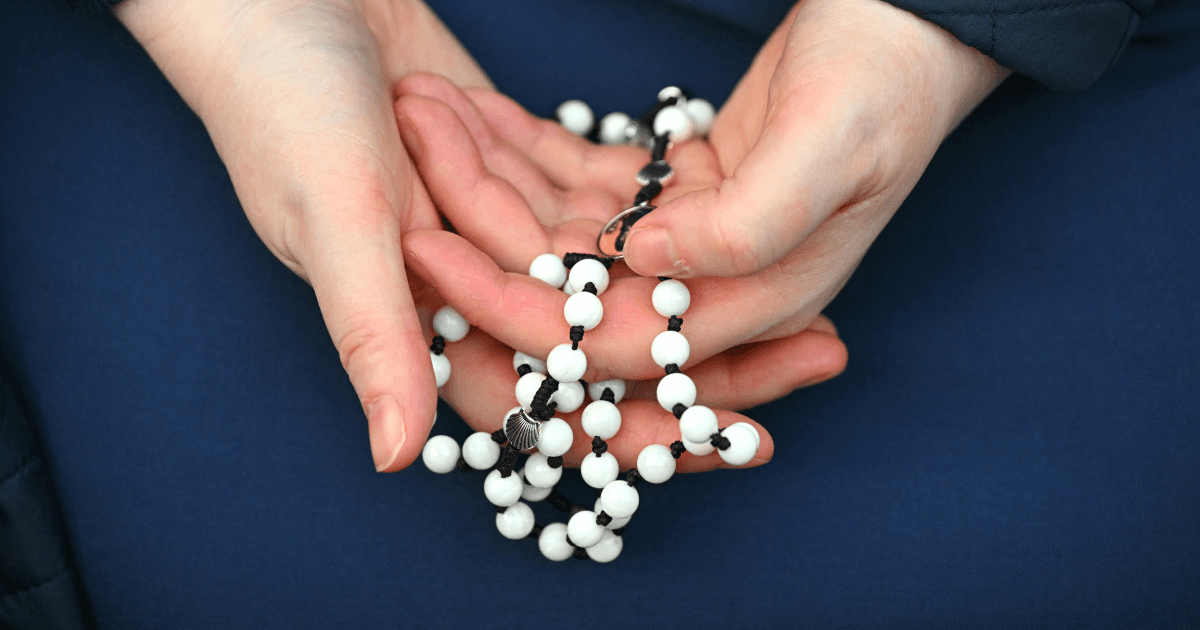 Newsroom
Thousands of Irish children to join global Rosary campaign
Corrie Douglas-Young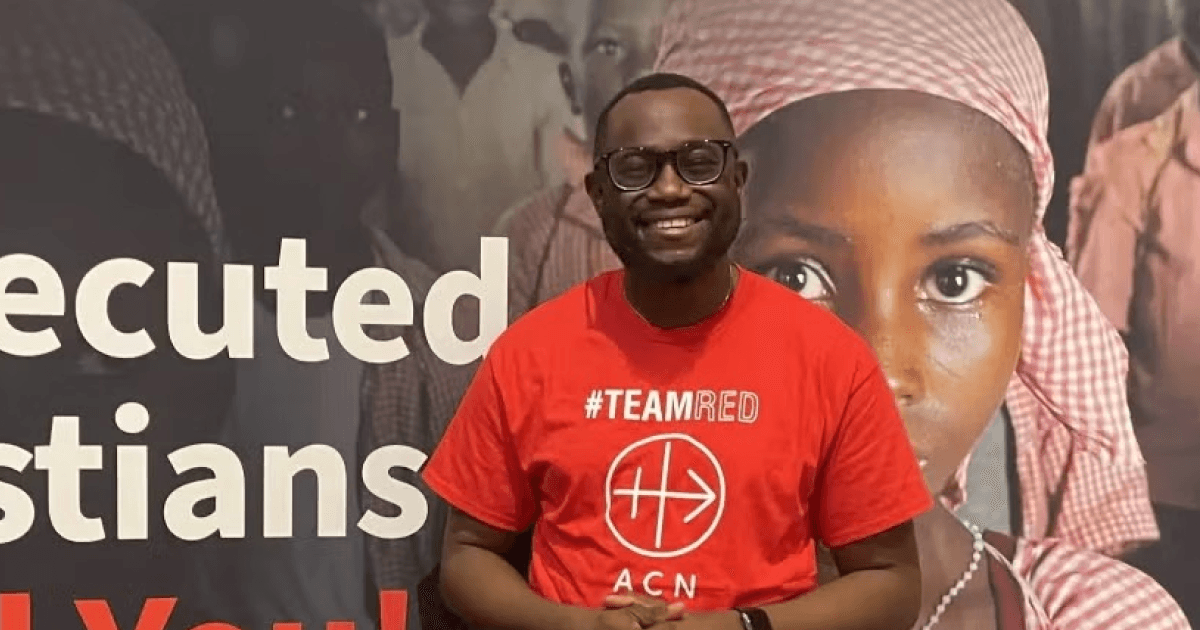 Newsroom
TikTok priest urges young people to stand with persecuted Christians
Nathalie Raffray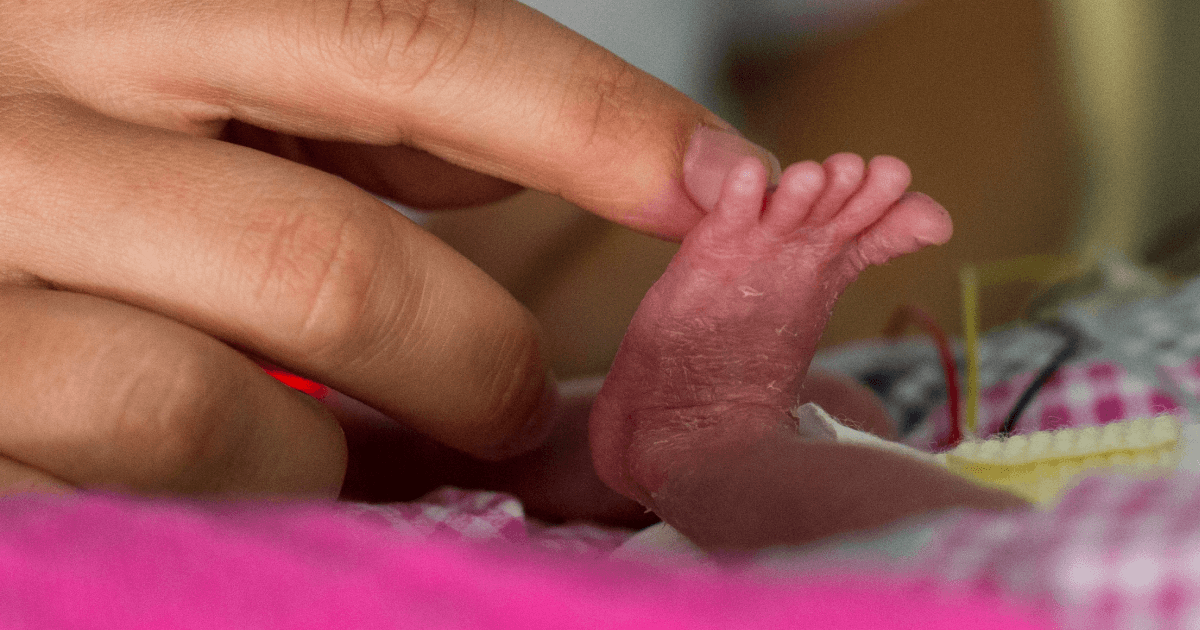 Newsroom
Baby born at 25 weeks reunites with neonatologist two years after leaving hospital
The Catholic Herald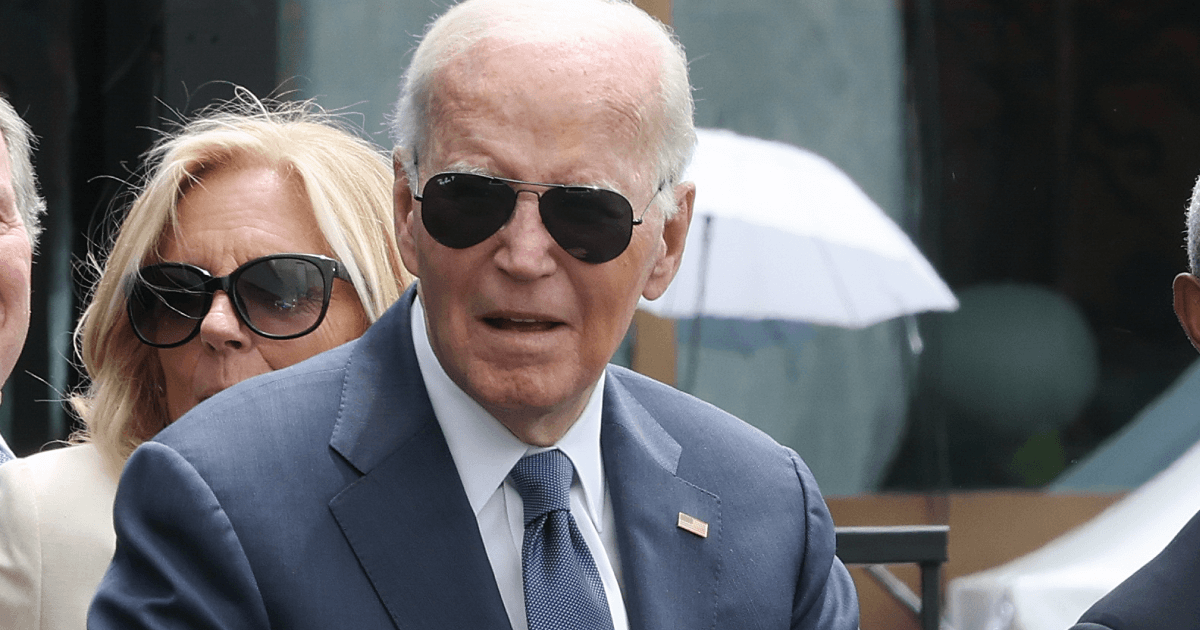 Newsroom
Joe Biden honoured by Planned Parenthood after defending abortion rights
Christine Rousselle
subscribe to the catholic herald today
Our best content is exclusively available to our subscribers. Subscribe today and gain instant access to expert analysis, in-depth articles, and thought-provoking insights—anytime, anywhere. Don’t miss out on the conversations that matter most.
Subscribe



