

Amid a British investigation into sexual abuse, Cardinal Vincent Nichols of Westminster is expected to face questions regarding the way his archdiocese handled allegations of misconduct made against his predecessor, Cardinal Cormac Murphy O’Connor. Nichols is scheduled to testify in November before the Independent Inquiry in Child Sexual Abuse, a panel established by the British government in 2014, charged with reviewing sexual abuse and institutional response in the country’s Catholic dioceses, the Anglican Church, and other British institutions. In his most recent letter, released to media on Sept. 27, former papal nuncio Archbishop Carlo Maria Vigano alleged that Pope Francis was responsible for halting “the investigation of sex abuse allegations against Cardinal Cormac Murphy O’Connor.” Sources close to the case have told CNA the investigation was marked by procedural irregularities long before it reached Rome, and before the election of Pope Francis. “It was deference, plain and simple,” one Church official in Britain told CNA, alleging that the matter was not handled according to established Church procedures because it involved a senior Church figure. A source familiar with the case told CNA that the government inquiry might also solicit files from British dioceses in order to get clarity on that charge. “If IICSA wanted to go into the matter properly and see who did what when,” a source familiar with the case told CNA, “they could do worse than ask for the files from all the dioceses involved. I suspect they would find a pretty clear picture of who was asking Westminster to act, and how little was done in response.” Those files would most likely be solicited from the Diocese of Westminster and the Diocese of Portsmouth, which are reportedly most connected to the case. Murphy-O’Connor was Archbishop of Westminster, the diocese that ecompasses most of London and its metropolitan area, from 2000-2009. He died in September 2017, at the age of 85. The cardinal was accused of child sexual abuse in December 2008, while he was still Westminster’s archbishop. Sources with immediate knowledge of the allegations told CNA that it was alleged that, decades earlier, the cardinal had sexually abused a girl when she was between 13 and 14 years old. Sources familiar with the case told CNA that the alleged victim first presented her allegation against Murphy-O’Connor to Bishop Peter Doyle of Northampton. Before he became a bishop, Doyle was a priest in the Diocese of Portsmouth, where the alleged victim lived, and he offered pastoral support to her as a parish priest. Doyle had continued to provide pastoral support to the woman after he was named bishop, sources told CNA. Because the complaint concerned the Archbishop of Westminster and a resident of the Diocese of Portsmouth, Doyle’s diocese immediately forwarded the allegations to those dioceses. Murphy-O’Connor’s alleged victim had previously reported being sexually abused by another English priest, Fr. Michael Hill. Those accusations were found to be substantiated. Hill was eventually imprisoned after pleading guilty to several counts of child sexual abuse. Murphy-O’Connor was bishop of Hill’s diocese, Arundel and Brighton when allegations against the priest were made, and the cardinal has been heavily criticized for his handling of the Hill case. The priest was removed from ministry and sent for psychiatric treatment in the early 1980s, but Murphy-O’Connor subsequently reinstated him to ministry, making him in 1985 the chaplain to Gatwick Airport, where he went on to abuse again. A source with knowledge of the event told CNA that in April 2009, after his resignation as Archbishop of Westminster was accepted but before the arrival of his successor Vincent Nichols, Cardinal Murphy-O’Connor was interviewed by Kent Police. Also present at this meeting, the source told CNA, was Westminster auxiliary Bishop John Arnold. The police interview was reportedly conducted “under caution,” a term which means that there grounds to suspect the subject of a crime, and his testimony could be used in court. A subject is informed of his rights before such an interview is conducted. Spokesmen for Kent Police declined to comment further on the matter. Despite the police investigation, the Westminster diocese reportedly did not progress with an internal Church investigation of the matter. According to British Church procedures concerning sexual abuse allegations, an allegation against a diocesan bishop is to be referred to a different diocese which must determine if the accused bishop should be temporarily removed from public ministry. Vatican authorities are also to be informed, along with the Catholic Safeguarding Advisory Service (CSAS) and the chair of the National Catholic Safeguarding Commission. According to the policy, those initial steps are to be completed within one working day. Canon law requires that a diocesan investigation of a sexual abuse allegation must determine if there is a “semblance of truth” to the claim. This process, canon lawyers say, is not a trial, and rules out only those cases judged to be “manifestly false or frivolous.” All other cases must be sent to Rome for further consideration at the Congregation for the Doctrine of the Faith, which determines how the canonical process should proceed. According to sources with direct knowledge of the case, the Archdiocese of Westminster allegedly did not hand the claim over to another diocese for a preliminary investigation or inform the Vatican. Sources close to the case have told CNA that they did not find the claim made against Murphy-O’Connor to be immediately compelling - one source called the allegation “fantastical,” adding that it was “hard to believe, even incredible.” At issue, the source said, is not whether the allegation would be proven true, but whether the Church would make good on its promise to treat every allegation according to the processes it claims are normative.
8:57 PM
Cardinal Nichols to face questions about British abuse case
Sources say the Archdiocese of Westminster investigation was marked by procedural irregularities
Ed Condon/CNA


11 min read



Already a subscriber? Sign in
5freearticles every month
Continue reading with a free account. No card needed.
- Five free articles every thirty days, on any device you sign in on
- The Catholic Herald newsletter, every morning
- Subscribe whenever you like for everything: every article and the magazine
Related articles
 Newsroom
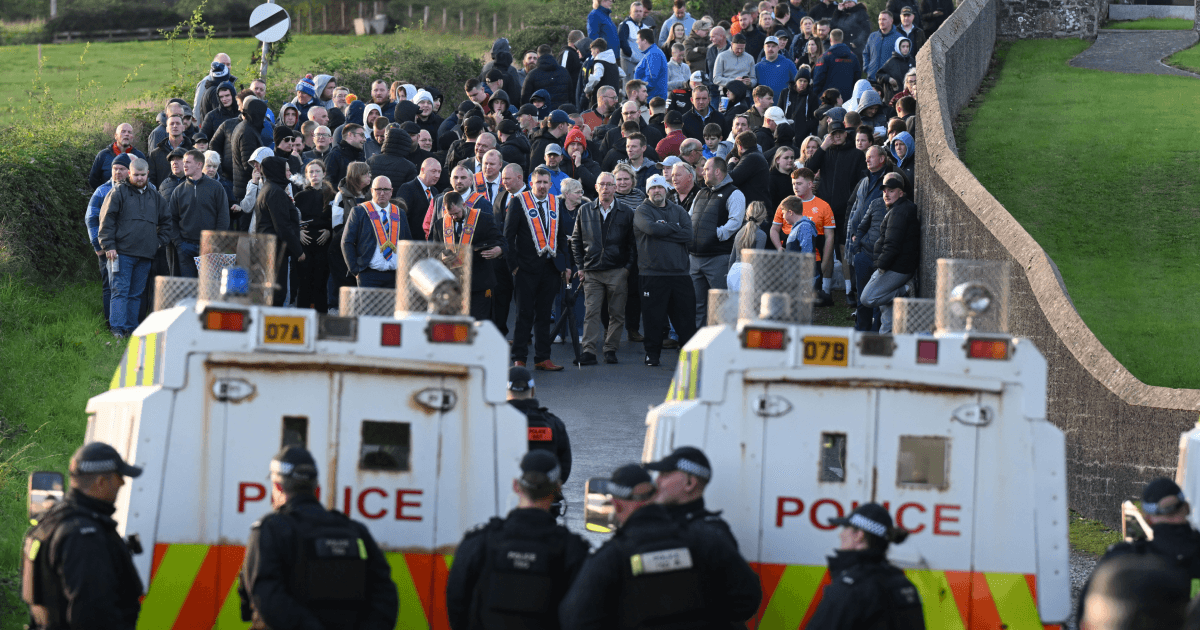
Church leaders urge Drumcree dialogue: ‘Too much is at stake’
The Catholic and Church of Ireland Archbishops of Armagh have urged a renewed commitment to peace and reconciliation amid the Drumcree stand-off
Corrie Douglas-Young Newsroom
Thousands of Irish children to join global Rosary campaign
Corrie Douglas-Young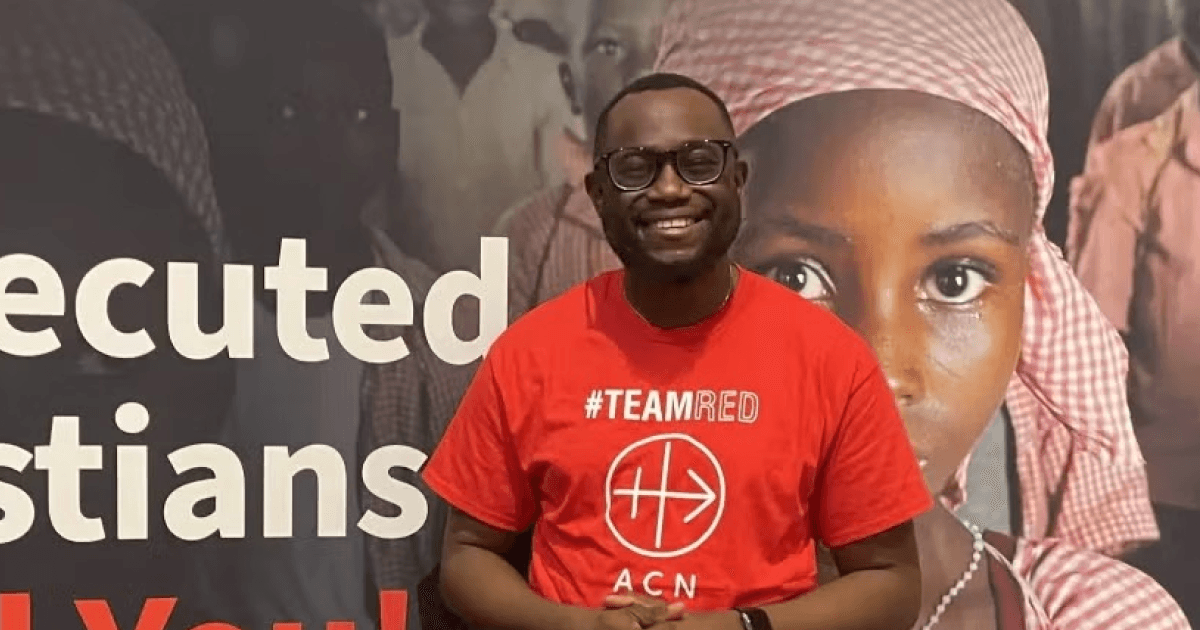 Newsroom
TikTok priest urges young people to stand with persecuted Christians
Nathalie Raffray Newsroom
Baby born at 25 weeks reunites with neonatologist two years after leaving hospital
The Catholic Herald Newsroom
Joe Biden honoured by Planned Parenthood after defending abortion rights
Christine Rousselle
subscribe to the catholic herald today
Our best content is exclusively available to our subscribers. Subscribe today and gain instant access to expert analysis, in-depth articles, and thought-provoking insights—anytime, anywhere. Don’t miss out on the conversations that matter most.
Subscribe



