


March 13, 2026

Cardinal Ouellet calls placing $50 bill in woman’s sweater a “clumsy mistake” in Quebec court case

The Catholic Herald
More
Related
Min read
share

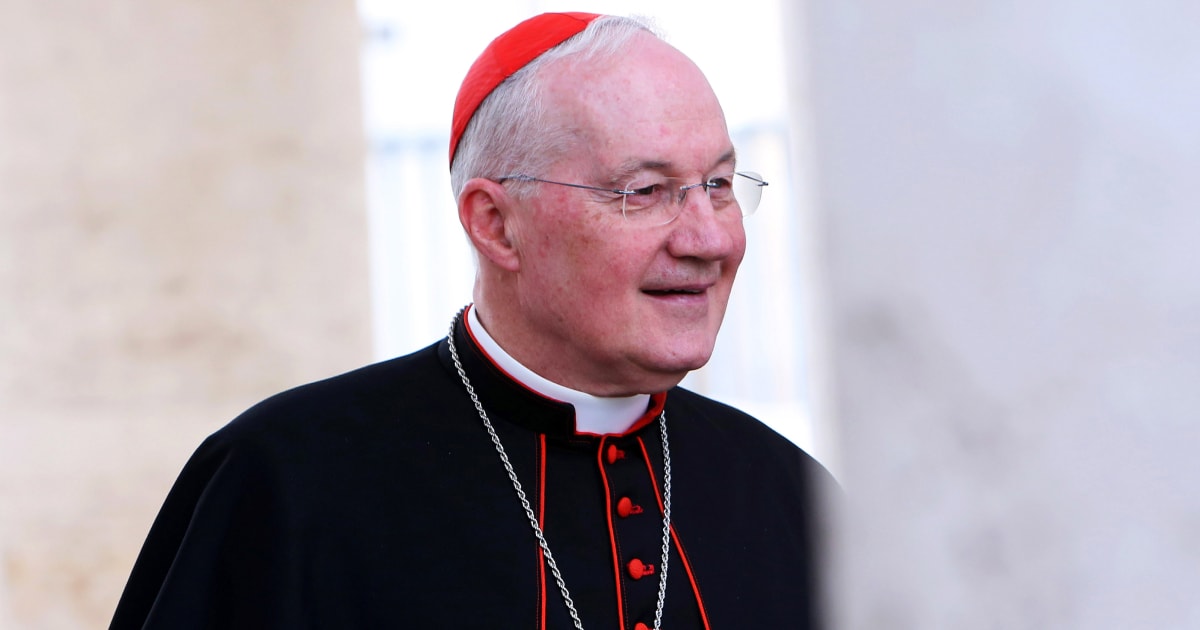
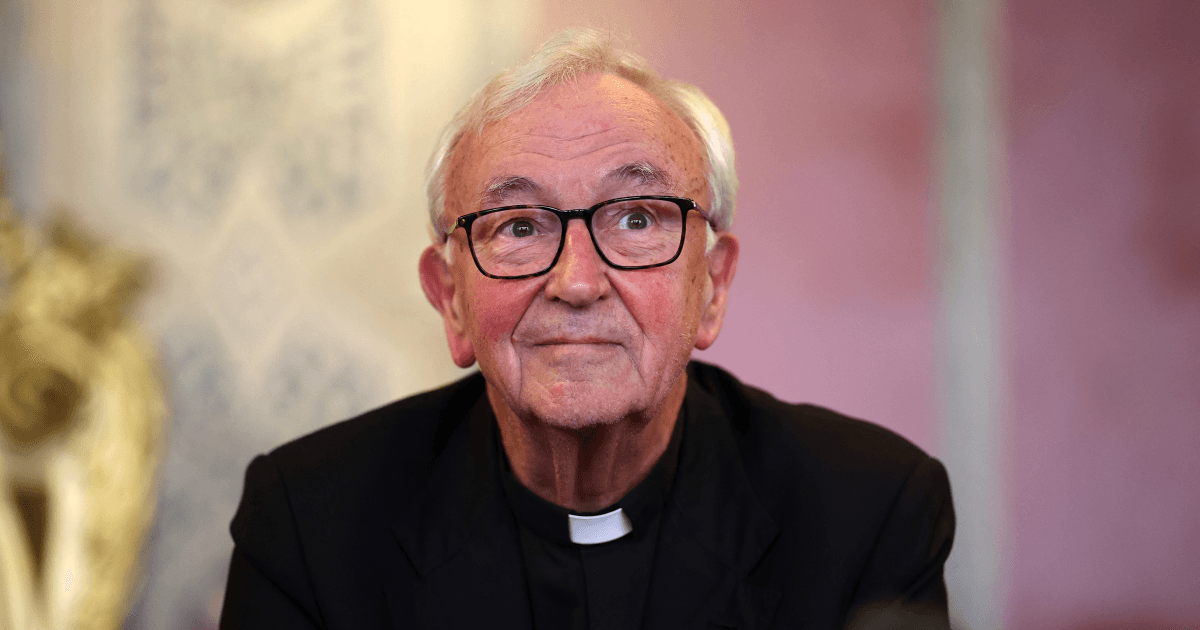
Cardinal Marc Ouellet has said it was a “clumsy mistake” to place a $50 banknote inside a woman’s sweater during a hug.

Cardinal Ouellet, 81, the former prefect of the Vatican’s Dicastery for Bishops and once widely regarded as papabile in 2013, is currently involved in civil proceedings before the Superior Court of Quebec in Montréal in a lawsuit against Paméla Groleau. The cardinal has said since the beginning of the trial that allegations made by Groleau in 2022 have gravely harmed his honour and reputation. He is seeking damages of 100,000 Canadian dollars.

The proceedings are not a criminal trial and no criminal charges have ever been brought against the Canadian prelate. Instead, the court has been asked to determine whether Groleau defamed him when she named him as part of a class-action lawsuit involving allegations of misconduct within the Archdiocese of Quebec.

Groleau has alleged that Cardinal Ouellet touched her without consent on three occasions between 2008 and 2010 while she was working or training as a lay pastoral agent. During her testimony earlier in the trial she said that one incident in 2010 involved the cardinal running his hand down her back to the top of her buttocks. Under cross-examination she indicated that this final incident was the only one she personally considered to amount to sexual assault. Cardinal Ouellet has firmly denied all accusations.

The litigation has taken an unexpected turn during the hearings. Two additional women have appeared as witnesses for Groleau’s legal team, offering accounts of what they describe as inappropriate behaviour by the cardinal in earlier decades.

Their testimony has not introduced criminal proceedings against Ouellet, but Groleau’s lawyers argue that their experiences support the credibility of her claims and suggest a broader pattern of behaviour.

One witness, Mélissa Trépanier, told the court she had known the cardinal since she was a teenager and had long regarded him as a “spiritual father”. Their relationship developed through Church youth activities, and she said that gestures such as holding hands during meetings had initially seemed entirely innocent.

However, she described an incident during a meeting in 2014 when she was accompanied by her fiancé. At the end of the encounter, she told the court, the cardinal attempted to give her money by placing a 50-dollar note inside the neckline of her sweater during a hug.

“I was frozen, I was stunned,” she said in testimony recalling the moment she realised his hand was inside her clothing. “How could he allow himself to do this?”

Trépanier said she tried to stop the gesture by grabbing his hand but claimed that he pushed it further down before withdrawing it. She told the court the experience left her shocked and distressed, describing the incident as “a breach of trust, an abuse of power, an intrusion into my privacy”.

Cardinal Ouellet has acknowledged placing the banknote inside her sweater but disputes that the act had any sexual intention, characterising it earlier in the proceedings as a clumsy but innocent mistake.

Another witness, Marie-Louise Moreau, now 84, described an encounter she said occurred more than three decades ago, in 1992, when Cardinal Ouellet was rector of the Grand Séminaire de Montréal.

She testified that while she was preparing items for Mass he approached her from behind, placing his hands on either side of her. She alleged that he pressed his pelvis against her body, preventing her from moving for a brief moment.

“I was a prisoner,” Moreau told the court. “I had to get away.”

She said she eventually managed to free herself and ran from the building. According to her testimony she avoided places where she thought she might meet him afterwards and kept the incident to herself for many years.

Moreau explained that she only decided to speak publicly decades later after hearing Groleau’s accusations. “I have carried this for 34 years,” she told the court.

Lawyers for the cardinal have challenged the relevance of these testimonies, arguing that they concern alleged incidents unrelated to the specific events described by Groleau. They have asked the judge to disregard them on the grounds that they involve “similar facts” rather than the case at hand.

Justice Martin Castonguay has allowed the witnesses to be heard but indicated he will decide later whether their statements should ultimately be considered as part of the evidence.

Groleau’s legal team has maintained that she never intended to launch a public campaign against the cardinal. During closing arguments, her lawyer argued that any wider publicity surrounding the accusations was generated by media coverage rather than by Groleau herself.

“She never sought out journalists,” her counsel told the court, contending that she could not be held responsible for how the allegations were subsequently reported.

Cardinal Ouellet was ordained in 1968 and elevated to the College of Cardinals in 2003. He served as Archbishop of Quebec before being called to Rome in 2010 to lead the Vatican office responsible for advising the Pope on episcopal appointments worldwide.

The proceedings began on March 2 in the Superior Court of Quebec in Montréal. During earlier sessions, three women who had worked with Cardinal Ouellet during his time in Quebec testified that they had found the allegations difficult to reconcile with their own impressions of him.

Cardinal Marc Ouellet has said it was a “clumsy mistake” to place a $50 banknote inside a woman’s sweater during a hug.

Cardinal Ouellet, 81, the former prefect of the Vatican’s Dicastery for Bishops and once widely regarded as papabile in 2013, is currently involved in civil proceedings before the Superior Court of Quebec in Montréal in a lawsuit against Paméla Groleau. The cardinal has said since the beginning of the trial that allegations made by Groleau in 2022 have gravely harmed his honour and reputation. He is seeking damages of 100,000 Canadian dollars.
The proceedings are not a criminal trial and no criminal charges have ever been brought against the Canadian prelate. Instead, the court has been asked to determine whether Groleau defamed him when she named him as part of a class-action lawsuit involving allegations of misconduct within the Archdiocese of Quebec.

Groleau has alleged that Cardinal Ouellet touched her without consent on three occasions between 2008 and 2010 while she was working or training as a lay pastoral agent. During her testimony earlier in the trial she said that one incident in 2010 involved the cardinal running his hand down her back to the top of her buttocks. Under cross-examination she indicated that this final incident was the only one she personally considered to amount to sexual assault. Cardinal Ouellet has firmly denied all accusations.

The litigation has taken an unexpected turn during the hearings. Two additional women have appeared as witnesses for Groleau’s legal team, offering accounts of what they describe as inappropriate behaviour by the cardinal in earlier decades.

Their testimony has not introduced criminal proceedings against Ouellet, but Groleau’s lawyers argue that their experiences support the credibility of her claims and suggest a broader pattern of behaviour.

One witness, Mélissa Trépanier, told the court she had known the cardinal since she was a teenager and had long regarded him as a “spiritual father”. Their relationship developed through Church youth activities, and she said that gestures such as holding hands during meetings had initially seemed entirely innocent.

However, she described an incident during a meeting in 2014 when she was accompanied by her fiancé. At the end of the encounter, she told the court, the cardinal attempted to give her money by placing a 50-dollar note inside the neckline of her sweater during a hug.

“I was frozen, I was stunned,” she said in testimony recalling the moment she realised his hand was inside her clothing. “How could he allow himself to do this?”

Trépanier said she tried to stop the gesture by grabbing his hand but claimed that he pushed it further down before withdrawing it. She told the court the experience left her shocked and distressed, describing the incident as “a breach of trust, an abuse of power, an intrusion into my privacy”.

Cardinal Ouellet has acknowledged placing the banknote inside her sweater but disputes that the act had any sexual intention, characterising it earlier in the proceedings as a clumsy but innocent mistake.

Another witness, Marie-Louise Moreau, now 84, described an encounter she said occurred more than three decades ago, in 1992, when Cardinal Ouellet was rector of the Grand Séminaire de Montréal.

She testified that while she was preparing items for Mass he approached her from behind, placing his hands on either side of her. She alleged that he pressed his pelvis against her body, preventing her from moving for a brief moment.

“I was a prisoner,” Moreau told the court. “I had to get away.”

She said she eventually managed to free herself and ran from the building. According to her testimony she avoided places where she thought she might meet him afterwards and kept the incident to herself for many years.

Moreau explained that she only decided to speak publicly decades later after hearing Groleau’s accusations. “I have carried this for 34 years,” she told the court.

Lawyers for the cardinal have challenged the relevance of these testimonies, arguing that they concern alleged incidents unrelated to the specific events described by Groleau. They have asked the judge to disregard them on the grounds that they involve “similar facts” rather than the case at hand.

Justice Martin Castonguay has allowed the witnesses to be heard but indicated he will decide later whether their statements should ultimately be considered as part of the evidence.

Groleau’s legal team has maintained that she never intended to launch a public campaign against the cardinal. During closing arguments, her lawyer argued that any wider publicity surrounding the accusations was generated by media coverage rather than by Groleau herself.

“She never sought out journalists,” her counsel told the court, contending that she could not be held responsible for how the allegations were subsequently reported.

Cardinal Ouellet was ordained in 1968 and elevated to the College of Cardinals in 2003. He served as Archbishop of Quebec before being called to Rome in 2010 to lead the Vatican office responsible for advising the Pope on episcopal appointments worldwide.

The proceedings began on March 2 in the Superior Court of Quebec in Montréal. During earlier sessions, three women who had worked with Cardinal Ouellet during his time in Quebec testified that they had found the allegations difficult to reconcile with their own impressions of him.

subscribe to
the catholic herald

Continue reading your article with a subscription.
Read 5 articles with our free plan.
Subscribe

subscribe to the catholic herald today

Our best content is exclusively available to our subscribers. Subscribe today and gain instant access to expert analysis, in-depth articles, and thought-provoking insights—anytime, anywhere. Don’t miss out on the conversations that matter most.
Subscribe