
March 6, 2026

Cardinal Zen compares SSPX to the prophet Joseph in defence of planned consecrations

Thomas Colsy
More
Related
Min read
share

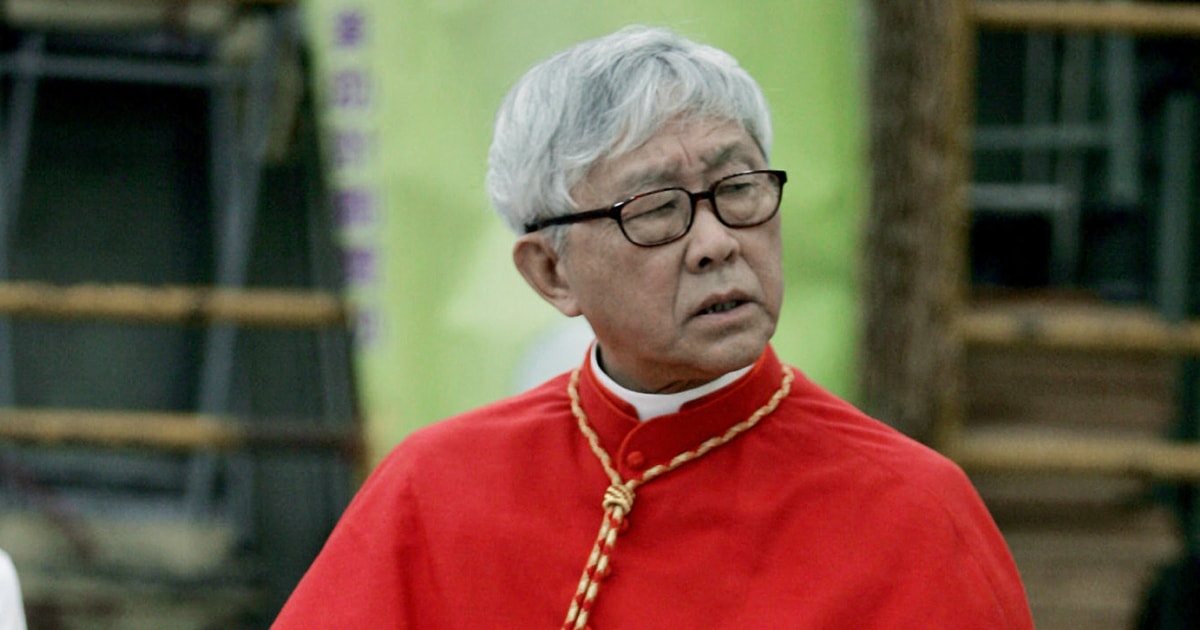
The former bishop of Hong Kong has entered debate over plans by the traditionalist Society of St Pius X to consecrate bishops without the permission of the Holy See in July.

In a statement released on X, Cardinal Joseph Zen offered scriptural exegesis and departed from other conservative cardinals by saying the Society’s decision could be justified as a matter of conscience.

He said schism “must [be avoided] with every available effort” because “it will cause lasting damage in the Church”.

The statement, posted on March 6, 2026, and titled ‘The Case of the SSPX’, was written in Italian and referred to the liturgical readings for Friday of the second week of Lent.
Cardinal Zen stressed the need to respect a serious matter of conscience, namely how someone could be obliged to follow teachings that “evidently” contradict the holy Tradition of the Church.

Drawing on the story of Joseph in the Book of Genesis, the first reading and responsorial psalm of the day’s Mass, Cardinal Zen presented an analogy: the SSPX as Joseph, Cardinal Víctor Manuel Fernández, prefect of the Dicastery for the Doctrine of the Faith, as Joseph’s brothers who hated him, and Pope Leo XIV as Reuben, the “good brother”, who is assisted “perhaps with the help of His Excellency Schneider”. 

He said those intent on dismantling Church traditions would likely welcome the SSPX’s excommunication.

Cardinal Zen expressed limited optimism for dialogue between the SSPX and the Dicastery for the Doctrine of the Faith, pointing instead to the Pope’s role as a listening father concerned for the unity of God’s family. He suggested Pope Leo, who has begun catechesis on the documents of the Second Vatican Council, could clarify that certain actions taken in the name of the ‘spirit of the Council’ but contrary to Tradition are not authentically derived from the Council.

Regarding the Traditional Latin Mass, Cardinal Zen described attempts to eliminate it as “a mistake”.

He said the Novus Ordo did not fully respect the intentions of the Council Fathers, citing evidence collected by Bishop Schneider, and recalled Pope Benedict XVI’s proposal of a ‘reform of the reform’, in which the two forms of the Roman Rite could enrich each other.

He concluded by calling for trust in Pope Leo XIV and a return by all parties to the Council’s documents.

The SSPX announced its intention to proceed with episcopal consecrations on July 1, 2026, on February 2, 2026, during a ceremony at its International Seminary of Saint-Curé-d’Ars in Flavigny-sur-Ozerain, France.

Superior General Fr Davide Pagliarani cited a state of grave necessity for the salvation of souls and the need to ensure continuity in traditional ministry, following a response from the Holy See that the Society said did not address its requests.

The specific location of the consecrations, including reports that they may take place in Switzerland, has not been confirmed in the Society’s primary announcements. It is also not clear which priests of the Society will be consecrated as bishops. 

Following the announcement, Cardinal Fernández invited Fr Pagliarani to a meeting at the Dicastery for the Doctrine of the Faith on February 12, 2026. The SSPX declined to postpone the July 1 date as a precondition for further dialogue.

In a February 18, 2026, letter, Fr Pagliarani restated the Society’s position, describing the disagreement as arising from a genuine case of conscience over perceived ruptures with Tradition since the Second Vatican Council.

The SSPX has maintained that unauthorised episcopal consecrations without schismatic intent or conferral of jurisdiction do not constitute schism under traditional theology and Church teaching.

Other conservative cardinals, including Gerhard Müller and Robert Sarah, have publicly urged the SSPX to submit to papal authority and avoid actions that could lead to rupture.

The former bishop of Hong Kong has entered debate over plans by the traditionalist Society of St Pius X to consecrate bishops without the permission of the Holy See in July.

In a statement released on X, Cardinal Joseph Zen offered scriptural exegesis and departed from other conservative cardinals by saying the Society’s decision could be justified as a matter of conscience.

He said schism “must [be avoided] with every available effort” because “it will cause lasting damage in the Church”.

The statement, posted on March 6, 2026, and titled ‘The Case of the SSPX’, was written in Italian and referred to the liturgical readings for Friday of the second week of Lent.
Cardinal Zen stressed the need to respect a serious matter of conscience, namely how someone could be obliged to follow teachings that “evidently” contradict the holy Tradition of the Church.

Drawing on the story of Joseph in the Book of Genesis, the first reading and responsorial psalm of the day’s Mass, Cardinal Zen presented an analogy: the SSPX as Joseph, Cardinal Víctor Manuel Fernández, prefect of the Dicastery for the Doctrine of the Faith, as Joseph’s brothers who hated him, and Pope Leo XIV as Reuben, the “good brother”, who is assisted “perhaps with the help of His Excellency Schneider”. 

He said those intent on dismantling Church traditions would likely welcome the SSPX’s excommunication.

Cardinal Zen expressed limited optimism for dialogue between the SSPX and the Dicastery for the Doctrine of the Faith, pointing instead to the Pope’s role as a listening father concerned for the unity of God’s family. He suggested Pope Leo, who has begun catechesis on the documents of the Second Vatican Council, could clarify that certain actions taken in the name of the ‘spirit of the Council’ but contrary to Tradition are not authentically derived from the Council.

Regarding the Traditional Latin Mass, Cardinal Zen described attempts to eliminate it as “a mistake”.

He said the Novus Ordo did not fully respect the intentions of the Council Fathers, citing evidence collected by Bishop Schneider, and recalled Pope Benedict XVI’s proposal of a ‘reform of the reform’, in which the two forms of the Roman Rite could enrich each other.

He concluded by calling for trust in Pope Leo XIV and a return by all parties to the Council’s documents.

The SSPX announced its intention to proceed with episcopal consecrations on July 1, 2026, on February 2, 2026, during a ceremony at its International Seminary of Saint-Curé-d’Ars in Flavigny-sur-Ozerain, France.

Superior General Fr Davide Pagliarani cited a state of grave necessity for the salvation of souls and the need to ensure continuity in traditional ministry, following a response from the Holy See that the Society said did not address its requests.

The specific location of the consecrations, including reports that they may take place in Switzerland, has not been confirmed in the Society’s primary announcements. It is also not clear which priests of the Society will be consecrated as bishops. 

Following the announcement, Cardinal Fernández invited Fr Pagliarani to a meeting at the Dicastery for the Doctrine of the Faith on February 12, 2026. The SSPX declined to postpone the July 1 date as a precondition for further dialogue.

In a February 18, 2026, letter, Fr Pagliarani restated the Society’s position, describing the disagreement as arising from a genuine case of conscience over perceived ruptures with Tradition since the Second Vatican Council.

The SSPX has maintained that unauthorised episcopal consecrations without schismatic intent or conferral of jurisdiction do not constitute schism under traditional theology and Church teaching.

Other conservative cardinals, including Gerhard Müller and Robert Sarah, have publicly urged the SSPX to submit to papal authority and avoid actions that could lead to rupture.

subscribe to
the catholic herald

Continue reading your article with a subscription.
Read 5 articles with our free plan.
Subscribe

subscribe to the catholic herald today

Our best content is exclusively available to our subscribers. Subscribe today and gain instant access to expert analysis, in-depth articles, and thought-provoking insights—anytime, anywhere. Don’t miss out on the conversations that matter most.
Subscribe