August 19, 2026

Catholic governor's abortion law, surrogacy drama and priest denies Assumption | The David Hahn Show

The Catholic Herald
More
Related
Min read
share

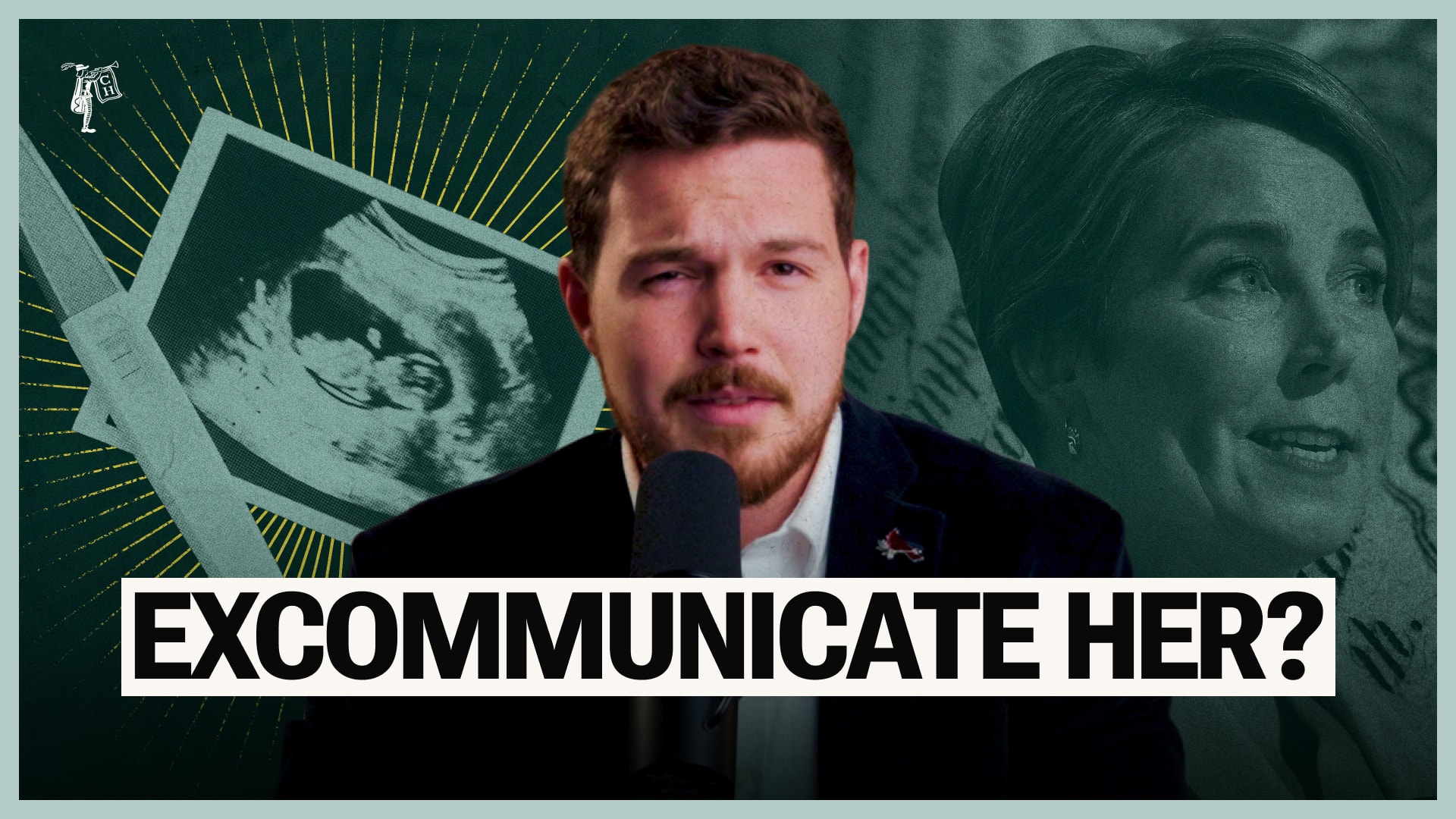
David Hahn opens this week with a piece of legislation he calls truly reprehensible. On August 10th, Governor Maura Healey, herself a Roman Catholic, signed Bill H.5595 into law, stripping away Massachusetts' previous 24-week framework for abortion and replacing it with a standard that lets any abortion proceed based solely on a physician's professional judgment, performed anywhere, not just in a hospital. Hahn traces the law back through Massachusetts' own legal history, from the 1981 Moe v Secretary of Administration and Finance ruling to the fact that the state's constitutional protections for abortion predate Roe v Wade being overturned in 2022. The bishops of Massachusetts called the move gravely immoral, Bishop Robert Barron invoked the memory of a more conflicted Mario Cuomo, and a Catholic advocacy group has written to the state's bishops seeking Healey's excommunication, a move Hahn frames not as punishment but as an acknowledgement of a rupture Healey has already caused herself. Citing 2023 Gallup polling that found only 22% of Americans support legal abortion in the third trimester, even after Dobbs, Hahn argues Healey's own party has drifted further from the moderate American consensus than most of its members would admit.

From Massachusetts, Hahn turns to Alaska surrogate Mackenna West, who refused to abort the baby she was carrying, known as Gabriel, after a 20-week scan revealed hypoplastic left heart syndrome and the Los Angeles couple who had commissioned the pregnancy asked her to terminate. West offered to adopt the baby herself rather than end the pregnancy, then fled to Texas, where abortion is tightly restricted and paediatric cardiac care is strong. The day before Gabriel's birth, Texas attorney general Ken Paxton secured a court order guaranteeing him life-saving care, declaring that his office would not back down in supporting the baby's wellbeing, but the intended parents had already filed a restraining order to block West from taking custody. Gabriel was born on August 12th and, by the following Friday, was placed with the couple who had sought his abortion, while West has since been denied access to him. Hahn calls the episode reprehensible, arguing that a child conceived to serve a contract rather than a marriage was always at risk of being discarded the moment he stopped matching what was ordered.

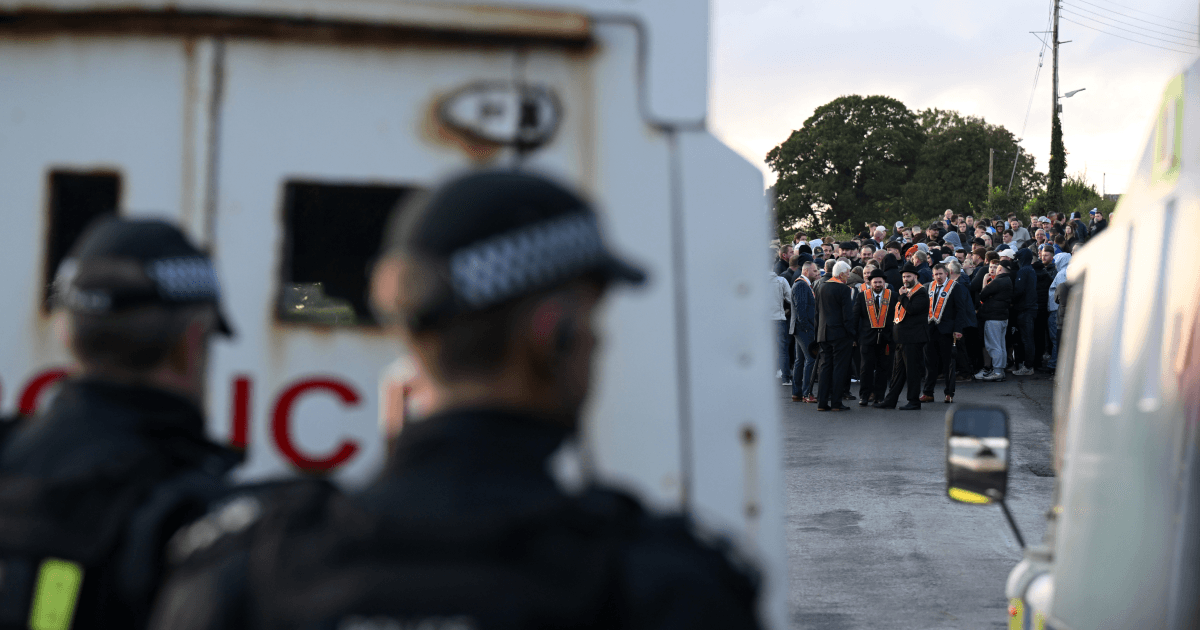
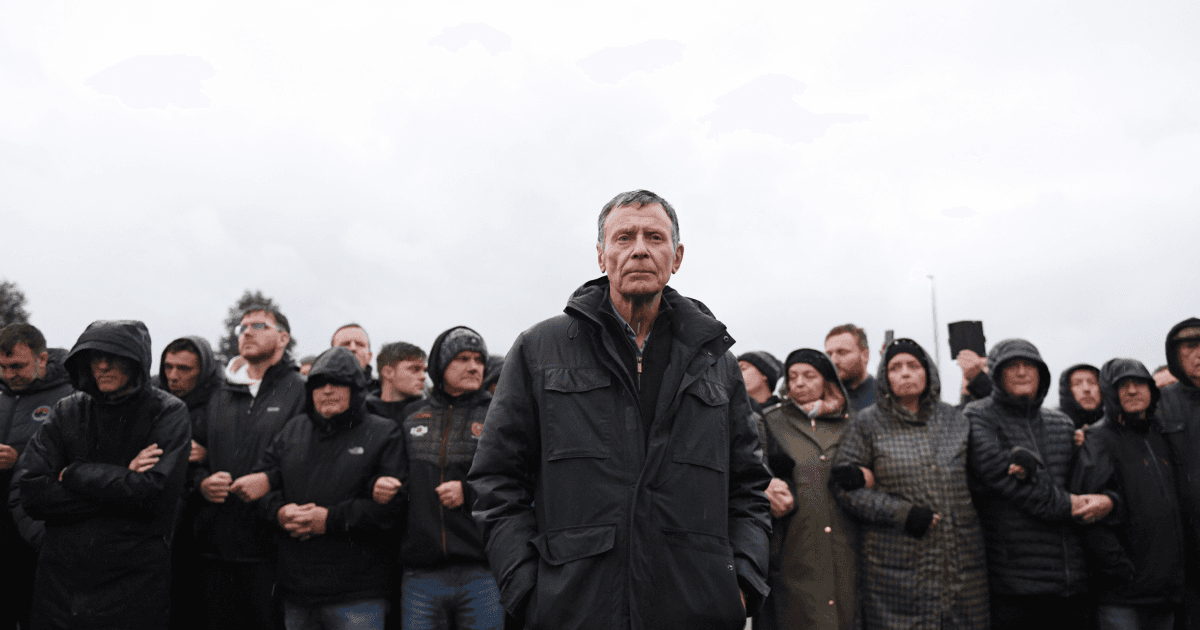
Hahn's third story takes him to the West Bank village of Taybeh, one of the last entirely Christian communities in Palestine, with roots that stretch back to the time of Christ. He documents a rising campaign of intimidation from Israeli settlers, including arson near a fifth-century church, destroyed olive groves and, as recently as two weeks before broadcast, an armed occupation of a Catholic family's land. Local parish priest Fr Bashar Fawadleh describes it as a deliberate strategy of harassment designed to create a climate of fear, while Bishop Curry of Westminster has criticised the Israeli military's response, a closed military zone that has crippled the tourism and pilgrimage income Taybeh depends on. Pope Leo used his Sunday Angelus to call for an end to the violence, and Cardinal Pierbattista Pizzaballa, the Latin Patriarch who once offered himself to Hamas in exchange for hostages, visited the village on the feast of the Assumption to pledge the Church's support. Hahn is blunt that support alone may not be enough to keep a two-thousand-year-old community from being pressured off its own land.

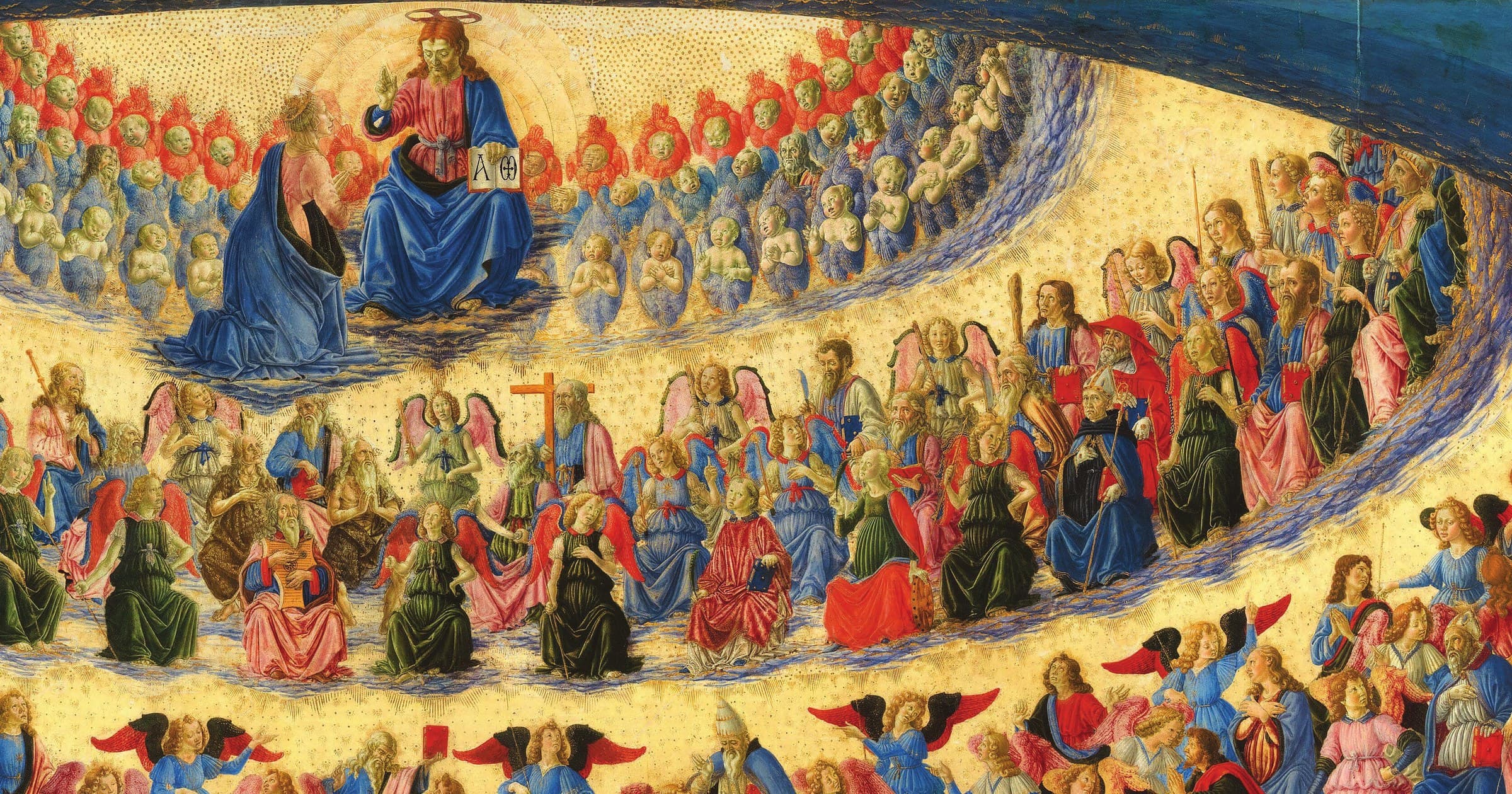
Finally, Hahn examines a homily from Fr Juan Carlos Rodríguez del Pozo, parish priest of Our Lady of the Assumption in Torrelavega, Spain, delivered during a televised 125th-anniversary Mass that also featured liturgical dancing. In it, the priest called Mary's titles mythology and told his congregation that no human being rises to heaven in body and soul, since heaven is not a physical place but a state of the soul. Hahn argues this inverts the Church's actual teaching, that the Assumption is not a comforting myth but a divinely revealed dogma, defined by Pope Pius XII in Munificentissimus Deus as Mary being assumed body and soul into heavenly glory. Drawing on Saint Thomas Aquinas and scripture including Philippians 3:21 and John 5, Hahn contends that denying the bodily Assumption edges towards the ancient Gnostic error of prizing spirit over matter, and that the same logic would leave no room in heaven for the risen and ascended body of Christ himself.

Taken together, the week's stories return David Hahn to a single question: who gets to decide what a human life, or a human soul, is actually worth. A governor overrides her own Church's teaching to expand what a doctor's judgment can end, a commissioning couple treats a diagnosis as grounds to cancel a contract, an occupying force treats a village's endurance as a bureaucratic inconvenience, and a parish priest empties out a dogma rather than let it mean what it says. In each case, Hahn's argument is the same: dignity is not something granted by authority, popularity or convenience, but something owed, to the unborn, to the unwanted, to the persecuted and to the woman assumed body and soul into glory.

Continue reading with a free account

Create a free account to read up to five articles each month
Create free account

You have # free articles remaining this month.

Subscribe to get unlimited access.
Sign up

subscribe to the catholic herald today

Our best content is exclusively available to our subscribers. Subscribe today and gain instant access to expert analysis, in-depth articles, and thought-provoking insights—anytime, anywhere. Don’t miss out on the conversations that matter most.
Subscribe