

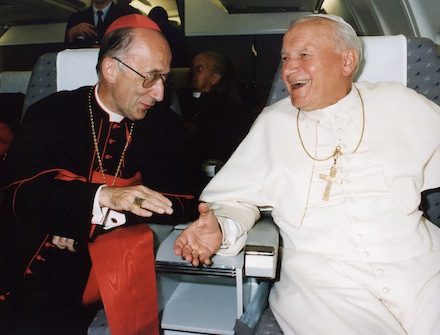
In the days before a major canonisation we reach a situation that might justly be called Peak Polemic. The global media spits out articles suggesting that the candidate is unworthy of canonisation, the rules have been unfairly relaxed and their elevation serves some nefarious, hidden ideological purpose. The double canonisation of John XXIII and John Paul II on Sunday is no exception. Indeed, the ceremony may be the occasion of more polemical outpourings than any other in recent memory. It is right that both men’s records are discussed meticulously, but to retain some sense of perspective, let’s consider five aspects of the great popes’ lives. Sanctity: Even the most rancorous critics of John XXIII and John Paul II concede they were indeed saints in the strict sense. They were, as the Catechism puts its, men who “practised heroic virtue and lived in fidelity to God’s grace”, and are fit to serve “as models and intercessors” for Catholics the world over and for centuries to come. Naysayers must sidestep their evident holiness and focus instead on secondary aspects of their personalities they find disagreeable. Vatican II: We have heard so often that John Paul II “turned back the clock” on the conciliar reforms launched by John XXIII that we may accept it, perhaps unconsciously, as fact. But there is a competing story that deserves equal consideration: that in his last months Good Pope John complained that his dream was being betrayed and the Polish pope tried to recover the original vision of a Council that helped the Church to respond to the challenge of modernity without jettisoning all that was valid in its past. Jewish relations: As Rabbi Abraham Cooper and Rabbi Yitzchok Adlerstein write on page 12, if it were up to the Jewish people John XXIII and John Paul II would have been canonised years ago. Both men saved Jewish lives during the Holocaust and, as popes, fundamentally transformed the agonised historical relationship between Catholics and Jews. For that alone they deserve to be honoured through the ages. Humour: Neither man was the kind of saint who looked ready-made for stained-glass windows. They were boisterous, three-dimensional figures with a knack for one-liners. John XXIII saw the funny side of everything, even exclamations of horror about his bulging waistline. As he told one concerned woman: “Madame, I trust you understand that the papal conclave is not exactly a beauty contest.” John Paul II also had a mordant sense of humour. Kept awake by roaring crowds in Kraków in 1979, he addressed them with these words: “You are asking for a word or two, so here they are: ‘Good night!’” His wit helped him cope later on with considerable physical suffering. When asked how he was, he would sometimes reply: “Neck down, not so good.” Mercy: Both men had a conviction – shared by Pope Francis and, indeed, Benedict XVI – that the Church today needs above all to embody the mercy of God. When he opened the Second Vatican Council, John XXIII said that nowadays “the Spouse of Christ prefers to make use of the medicine of mercy rather than that of severity”. John Paul II dedicated his second encyclical, Dives in Misericordia, to mercy and proclaimed St Faustina Kowalska, Apostle of Divine Mercy, the first saint of the new millennium. It is therefore wholly fitting that both men are being canonised on Divine Mercy Sunday.
11:29 AM
Catholic Herald View: Five reasons to give thanks for our new papal saints
As we approach the canonisations of John XXIII and John Paul II on Sunday, we remember five important aspects of the saints' lives
Catholic Herald View

4 min read



Already a subscriber? Sign in
5freearticles every month
Continue reading with a free account. No card needed.
- Five free articles every thirty days, on any device you sign in on
- The Catholic Herald newsletter, every morning
- Subscribe whenever you like for everything: every article and the magazine
Related articles
 Newsroom
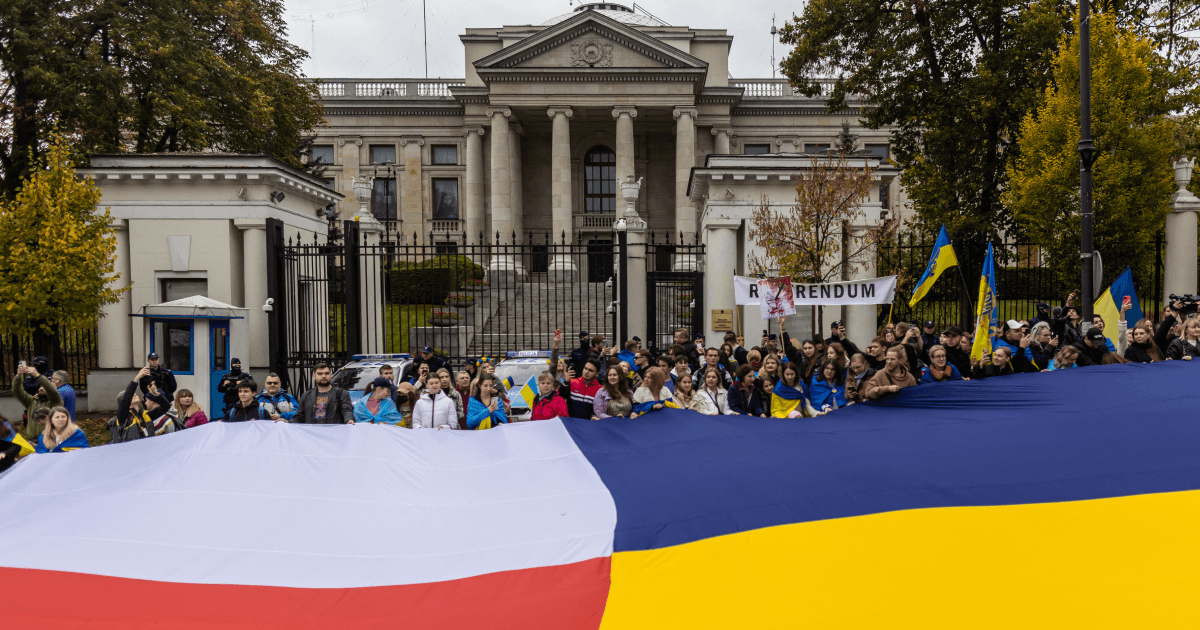
Injured priest tells Poles: ‘Do not blame Ukraine’ for convent attack
Fr Adrian Mantykiewicz, who was injured in the attack that killed a fellow priest, has urged Catholics to pray for the assailant and not blame Ukrainians for his actions
Corrie Douglas-Young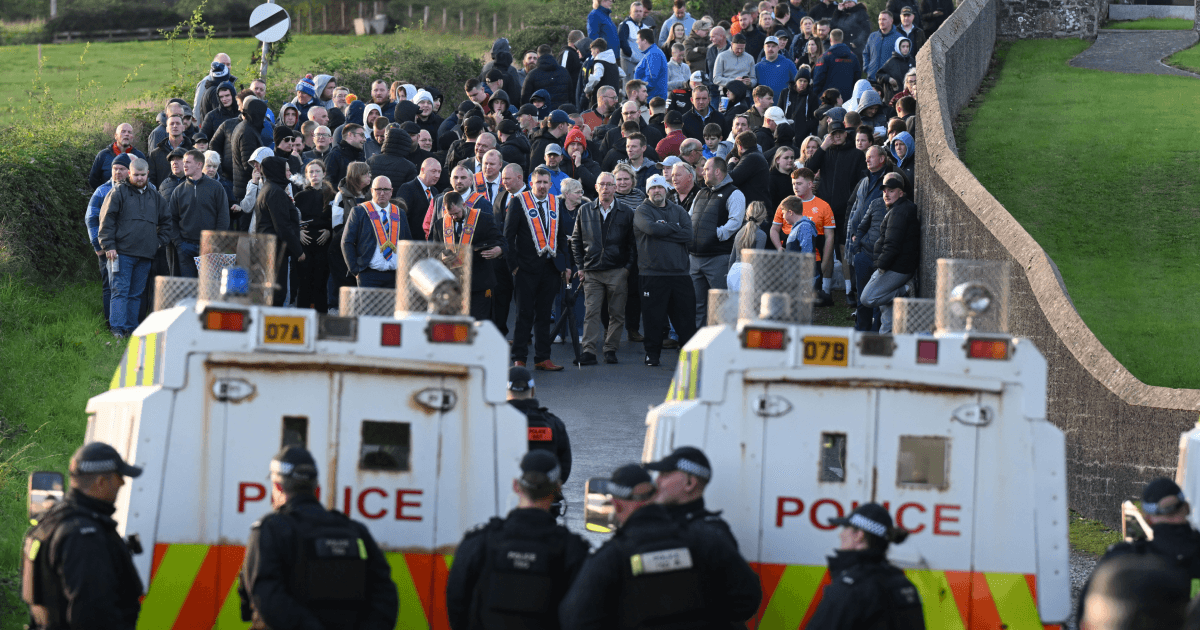 Newsroom
Church leaders urge Drumcree dialogue: ‘Too much is at stake’
Corrie Douglas-Young Newsroom
Thousands of Irish children to join global Rosary campaign
Corrie Douglas-Young Newsroom
TikTok priest urges young people to stand with persecuted Christians
Nathalie Raffray Newsroom
Baby born at 25 weeks reunites with neonatologist two years after leaving hospital
The Catholic Herald
subscribe to the catholic herald today
Our best content is exclusively available to our subscribers. Subscribe today and gain instant access to expert analysis, in-depth articles, and thought-provoking insights—anytime, anywhere. Don’t miss out on the conversations that matter most.
Subscribe



