




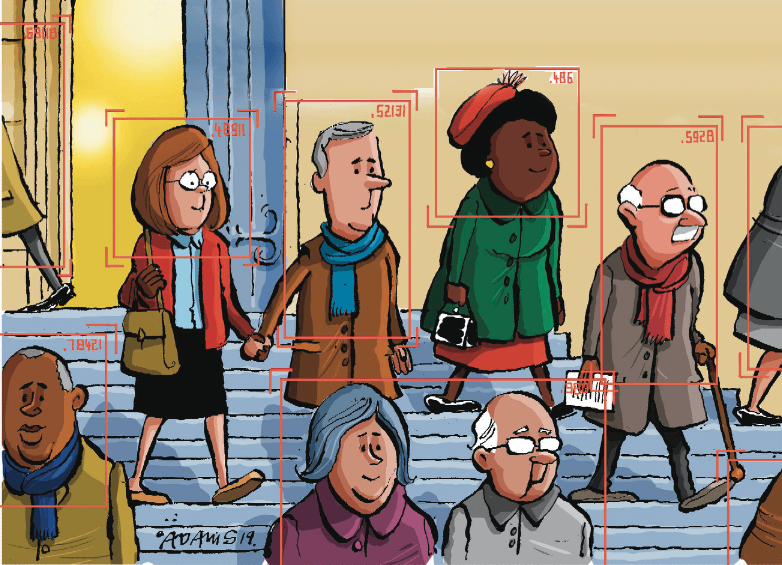
It was late last year, and I was witnessing a new form of religious persecution. In front of me, millions of tweets had been turned into metrics: lines, graphs, dots and splashes of colour. They showed a big group of Twitter accounts, who had all joined the platform together in August 2015. Obsessed with sport at first, their early online lives were dedicated to sharing fitness tips, mixed in with the odd piece of news or current affairs. Then during Britain’s EU referendum in 2016, the group became more political. “UK is free!” one said. “We want our country back!” said another. They were largely ignored.
2:00 PM
How technology is enabling religious persecution
it was late last year, and i was witnessing a new form of religious persecution. in front of me, millions of tweets had been turned into met...
Carl Miller

7 min read



Already a subscriber? Sign in
5freearticles every month
Continue reading with a free account. No card needed.
- Five free articles every thirty days, on any device you sign in on
- The Catholic Herald newsletter, every morning
- Subscribe whenever you like for everything: every article and the magazine
Related articles
 Newsroom
First parish named for Bl Fulton Sheen established in Illinois
Bishop Louis Tylka of Peoria announced the new Blessed Fulton Sheen Parish two days after Sheen became the first American-born bishop to be beatified
Christine Rousselle Newsroom
Injured priest tells Poles: ‘Do not blame Ukraine’ for convent attack
Corrie Douglas-Young Newsroom
Church leaders urge Drumcree dialogue: ‘Too much is at stake’
Corrie Douglas-Young Newsroom
Thousands of Irish children to join global Rosary campaign
Corrie Douglas-Young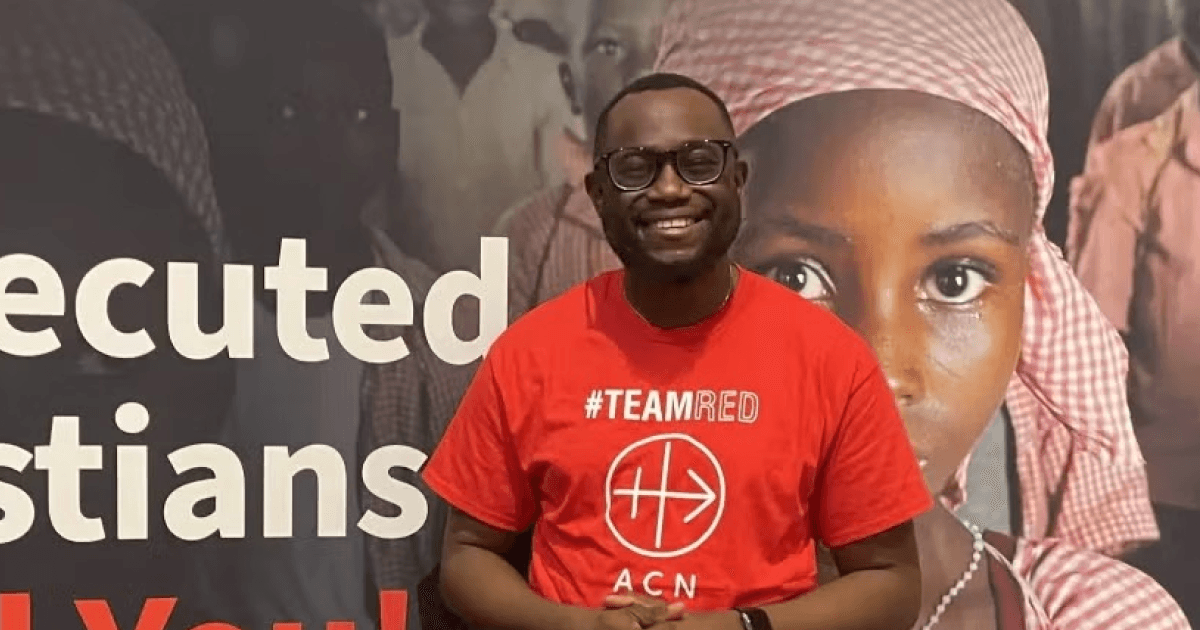 Newsroom
TikTok priest urges young people to stand with persecuted Christians
Nathalie Raffray
subscribe to the catholic herald today
Our best content is exclusively available to our subscribers. Subscribe today and gain instant access to expert analysis, in-depth articles, and thought-provoking insights—anytime, anywhere. Don’t miss out on the conversations that matter most.
Subscribe



