

‘I have just seen the priest. My father died last week. Although he didn’t attend Mass, he wanted a Catholic funeral. I’m really angry. The priest wouldn’t allow the country and western music my father loved nor his favourite Man United shirt to be placed on the coffin. I’m not surprised no one goes to Mass any more. Why can’t the Church be more relevant?’
It is good that your father wanted a Catholic funeral and that you are giving effect to his wishes. The situation you describe is not uncommon today: people ask for things at a funeral which the Church is unable to provide.
We should reflect on what it is we are asking for when we request a Catholic funeral. The world expects a funeral to be a celebration of the life of the person who has just died. It is about cherishing and sharing our memories of them. Therefore, the world expects a funeral to be highly personalised, something we create largely by ourselves.
Even with those looking for a Catholic funeral, the expectation can sometimes be that the church is simply a venue in which the family will decide what happens. The world sees a funeral as the concluding chapter of the book of a person’s life, wanting the right to decide the content of that chapter.
The Church’s perspective is very different. The Church does not deny the unique character of the person who has died. We can, and should, give thanks for the gift of their life. We also offer our prayers for those who mourn the passing of the deceased. For the Church, however, a funeral is not primarily about the past.
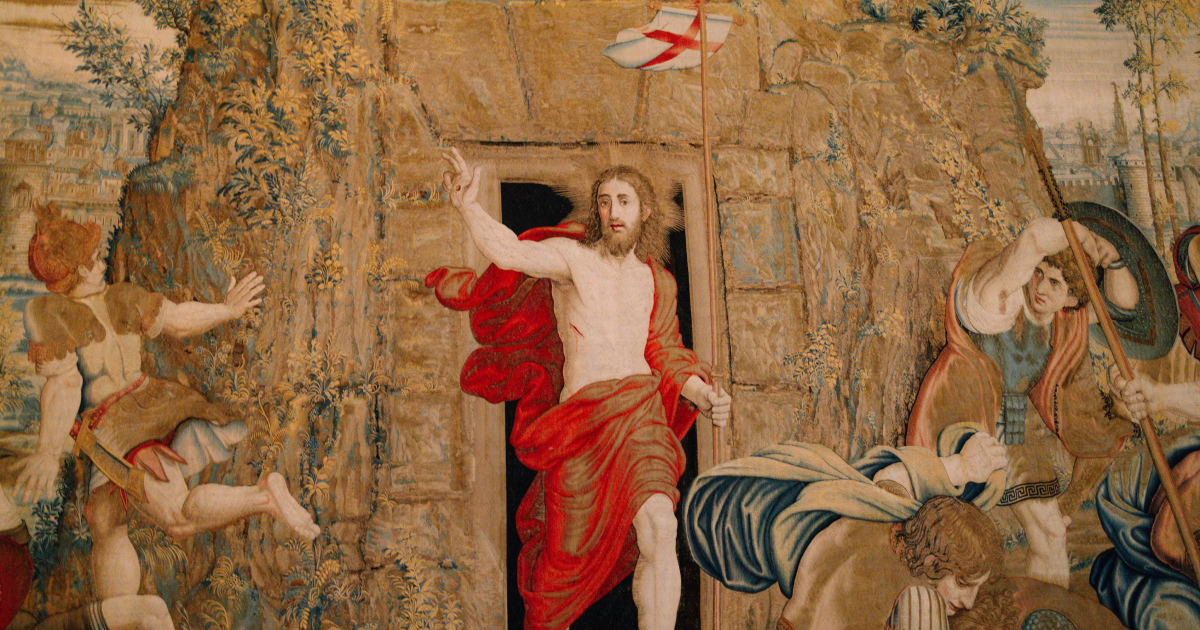
We look to the future. We are opening, rather than closing, a book. The Church offers hope, which secular funerals cannot provide. A Catholic funeral must focus upon the Resurrection of Our Lord Jesus Christ, and our hope of sharing in His risen life – otherwise, it is not a Catholic funeral.
As I imagine the priest explained, there are two forms of Catholic funeral. One is a funeral service with readings and prayers – either in church or at the cemetery or crematorium. The other is a funeral within the Mass, a Requiem Mass, where we unite our prayers for the person who has died with the most powerful prayer of all, that of Jesus to His heavenly Father upon the Cross, a prayer we know was answered in the Resurrection. In the Mass everything that Jesus won for us on Calvary is applied for the benefit of your father – for forgiveness, to speed, we hope, his journey to heaven.
Whichever form of Catholic funeral you choose, it should be orientated to this hope of eternal life, of the fullness of love and relationship for which your father was created. Of course, we assume nothing. It is only through Jesus that we hope for that gift of eternal life, but we know Him to be a loving and merciful Saviour.
The prayers of a Catholic funeral can give us a real sense of peace and confidence, which no secular funeral can offer, no matter how original or meticulously planned. In the Requiem Mass we pray: ‘Lord, for Your faithful, life is changed, not ended.’ That isn’t just wishful thinking. Our belief has the best possible foundation – our knowledge of the reality of the human condition and the physical, historical fact of the Resurrection of Jesus.
Your father survives beyond earthly death. The funeral rites of the Church, especially the Mass, are there to assist, we hope and pray, on his final journey. We who love him, hope to see him again. What better funeral can you can give father than that?
It follows that everything within the funeral service should be consistent with this belief. People have asked for John Lennon’s ‘Imagine there is no heaven’ for funerals. Obviously, this is inappropriate – and wrong. I am sure that what you were asking for wasn’t, but it didn’t speak of our hope of heaven and Jesus’s offer of mercy and forgiveness.
The service can be personalised by the family choosing the Scripture readings from the wide range which are offered for funeral services. With the exception of the Gospel, which is read by the priest, the family can read these readings at the service.
The family can also choose the music to be played, but this should be sacred music, which again speaks to our hope of eternal life. The priest is there to assist, making suggestions and guiding the family through these choices offered by the Church. No doubt the priest will speak about your father in his homily, making use of the information which you have provided to him.
Hopefully, you can see where the priest is coming from. By all means, play the music your father loved and display his football strip at the reception you will probably have afterwards. A Catholic funeral, however, is the best thing which you can give your father and I am sure that you will appreciate and take comfort from it.