


Last week it emerged that England's most senior prison chaplain had resigned from his post after a row with the Government over his role. Mgr Malachy Keegan, principal Catholic chaplain at the National Offender Management Service, was asked to spend just 10 to 20 per cent of his time with Catholic chaplains, and the rest with chaplains of other faiths. The move has raised fears that the Government may try to save money by replacing Catholic chaplains with generic, all-faith chaplaincies. But should the Church be relying on the state to provide Catholic prison chaplains? Surely parishes can raise money for these chaplaincies themselves. In many of its activities - overseas aid, social action, education - the Church relies enormously on state support. If it were to cut its links with the state, it would be free to run its operations entirely in line with the magisterium, without the compromises and constraints of dealing with a secular state. The down side, of course, would be money: the Church would have to scale down these operations dramatically without Government support. So, should the Church end its reliance on the state? Or is it still possible to work with a secular Government?
5:16 PM
Debate: Should the Church end its reliance on the state?
Or is it still possible to work constructively with a secular Government?
The Catholic Herald

1 min read



Already a subscriber? Sign in
5freearticles every month
Continue reading with a free account. No card needed.
- Five free articles every thirty days, on any device you sign in on
- The Catholic Herald newsletter, every morning
- Subscribe whenever you like for everything: every article and the magazine
Related articles
 Newsroom
Church leaders urge Drumcree dialogue: ‘Too much is at stake’
The Catholic and Church of Ireland Archbishops of Armagh have urged a renewed commitment to peace and reconciliation amid the Drumcree stand-off
Corrie Douglas-Young Newsroom
Thousands of Irish children to join global Rosary campaign
Corrie Douglas-Young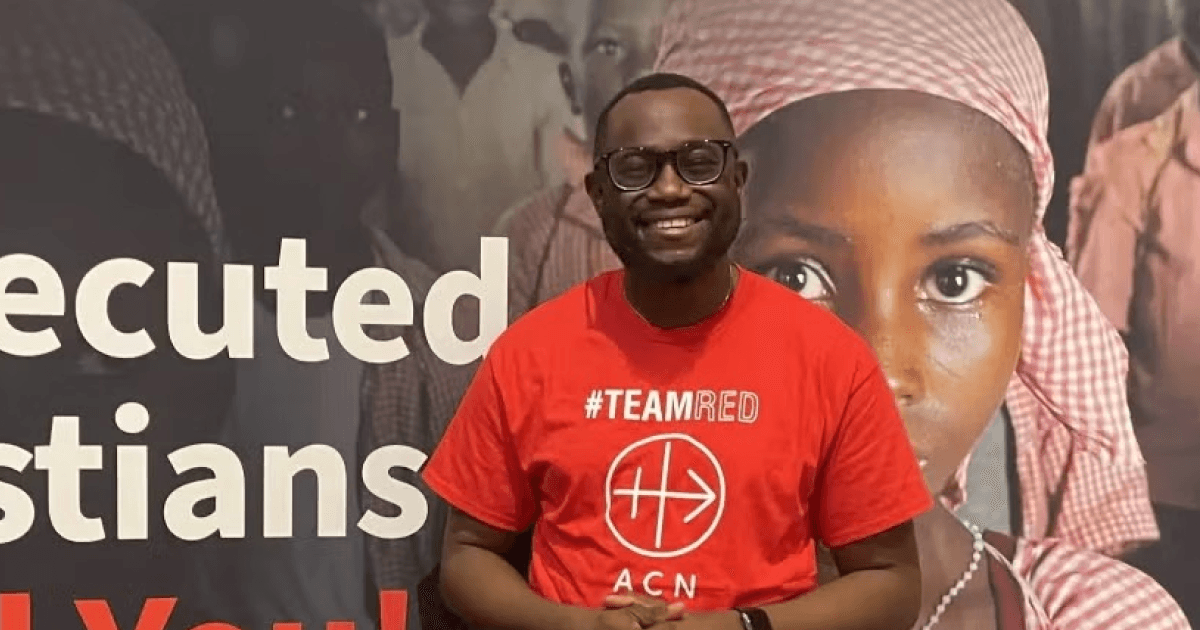 Newsroom
TikTok priest urges young people to stand with persecuted Christians
Nathalie Raffray Newsroom
Baby born at 25 weeks reunites with neonatologist two years after leaving hospital
The Catholic Herald Newsroom
Joe Biden honoured by Planned Parenthood after defending abortion rights
Christine Rousselle
subscribe to the catholic herald today
Our best content is exclusively available to our subscribers. Subscribe today and gain instant access to expert analysis, in-depth articles, and thought-provoking insights—anytime, anywhere. Don’t miss out on the conversations that matter most.
Subscribe



