



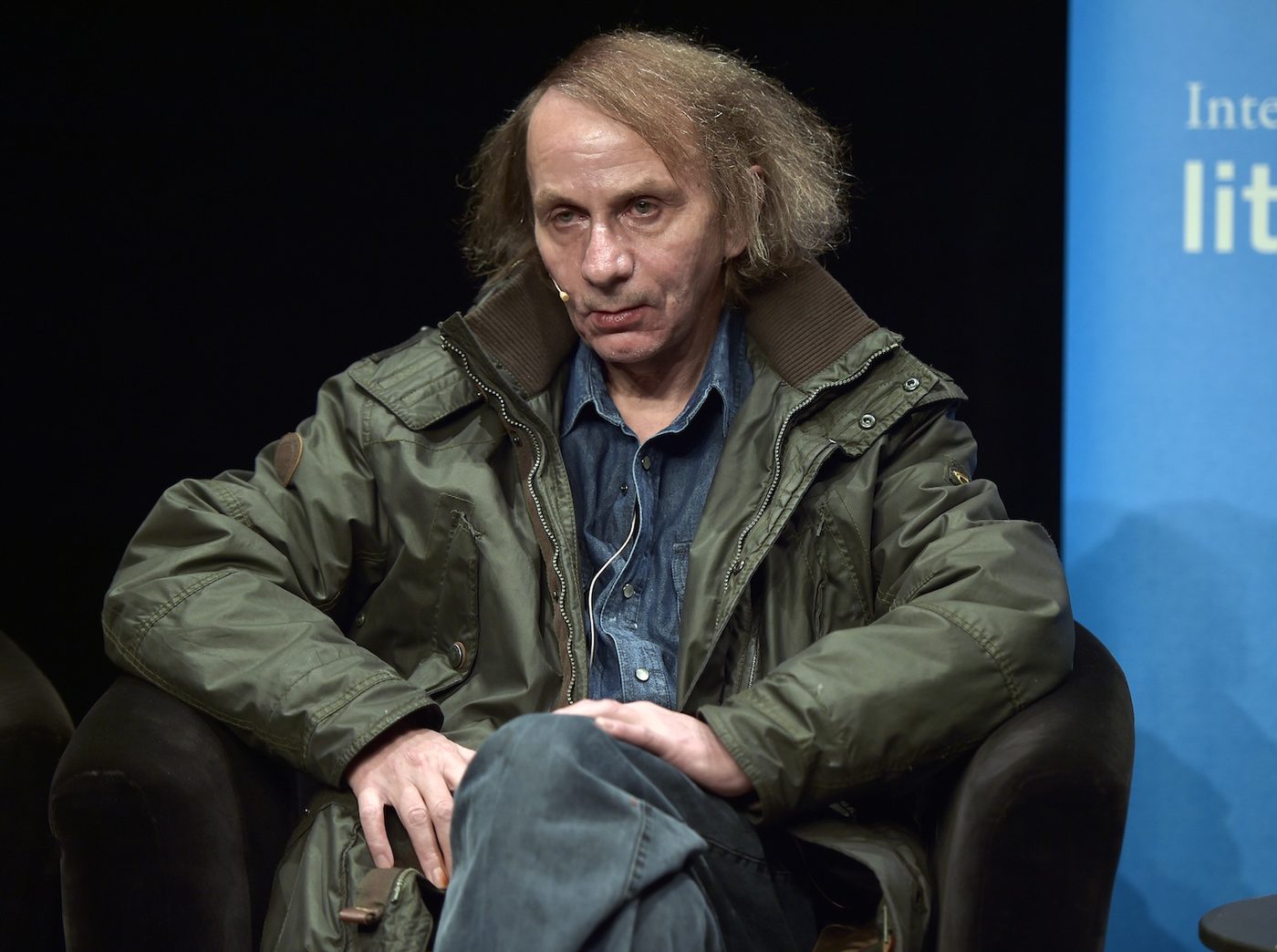
Without wishing to become the Comical Ali of the Right, I have a theory that the post-war period may one day be seen as the Left’s golden age and it is coming to an end. One major reason is that much of the liberal-Left’s cultural dominance is based on the standard social science model of human nature (that we are shaped nearly entirely by culture rather than genes). Reality has been undermining the SSSM for some time, but the structure appears solid from outside, partly because of the overwhelming dominance of progressives in academia and strong social taboos against contradicting it. People who defend the SSSM look moral – indeed it is influenced by Christianity – but at some point they will start to appear naïve or stupid. Another reason for my crackpot theory is what’s happening across the water. Not that water. We’ve become so used to Anglophone triumphalism over the years that we fail to see that, more than ever, Europe’s culture is intertwined and that increasingly British politics has more in common with that of France, Germany or the Netherlands than the US. And France, which appears so culturally knackered after the 20th century, may have one last outpouring to influence the world. Last week's Spectator carried a piece about Les nouveaux réactionnaires, French intellectuals who reject the culture of 1968 and the politics of multiculturalism. As Patrick Marnham writes:
2:07 PM
Do France's neo-reactionaries herald the end of the Left's golden age?
Michel Houellebecq and other French intellectuals may herald the end of the Left's age
Ed West

4 min read



Already a subscriber? Sign in
5freearticles every month
Continue reading with a free account. No card needed.
- Five free articles every thirty days, on any device you sign in on
- The Catholic Herald newsletter, every morning
- Subscribe whenever you like for everything: every article and the magazine
Related articles
 Newsroom
Church leaders urge Drumcree dialogue: ‘Too much is at stake’
The Catholic and Church of Ireland Archbishops of Armagh have urged a renewed commitment to peace and reconciliation amid the Drumcree stand-off
Corrie Douglas-Young Newsroom
Thousands of Irish children to join global Rosary campaign
Corrie Douglas-Young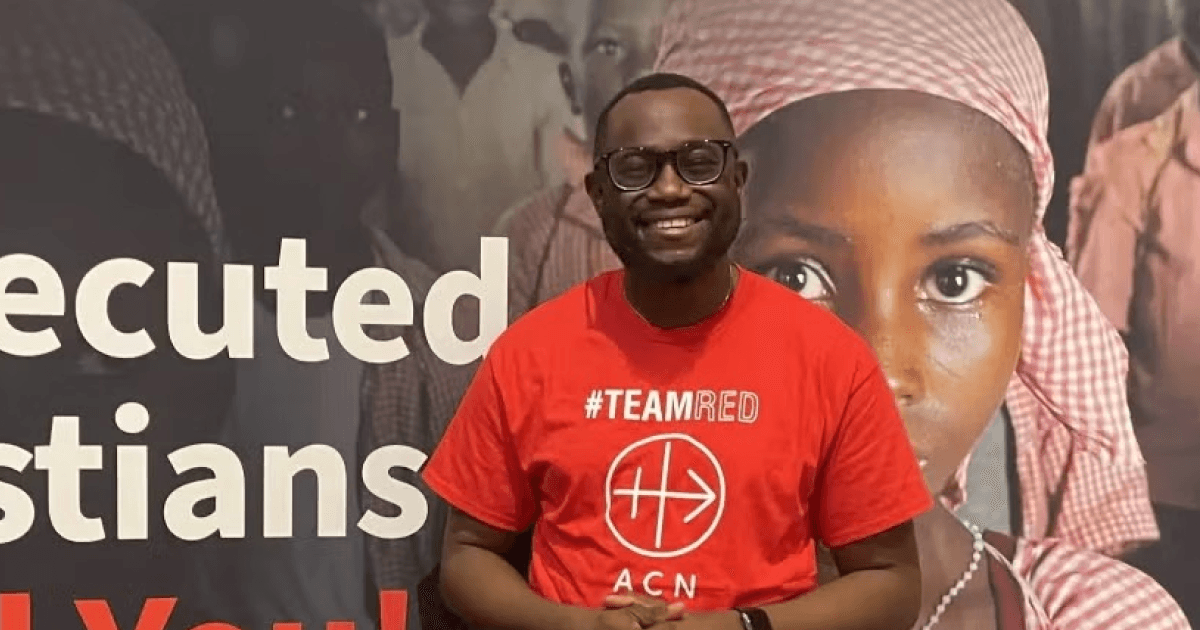 Newsroom
TikTok priest urges young people to stand with persecuted Christians
Nathalie Raffray Newsroom
Baby born at 25 weeks reunites with neonatologist two years after leaving hospital
The Catholic Herald Newsroom
Joe Biden honoured by Planned Parenthood after defending abortion rights
Christine Rousselle
subscribe to the catholic herald today
Our best content is exclusively available to our subscribers. Subscribe today and gain instant access to expert analysis, in-depth articles, and thought-provoking insights—anytime, anywhere. Don’t miss out on the conversations that matter most.
Subscribe



