



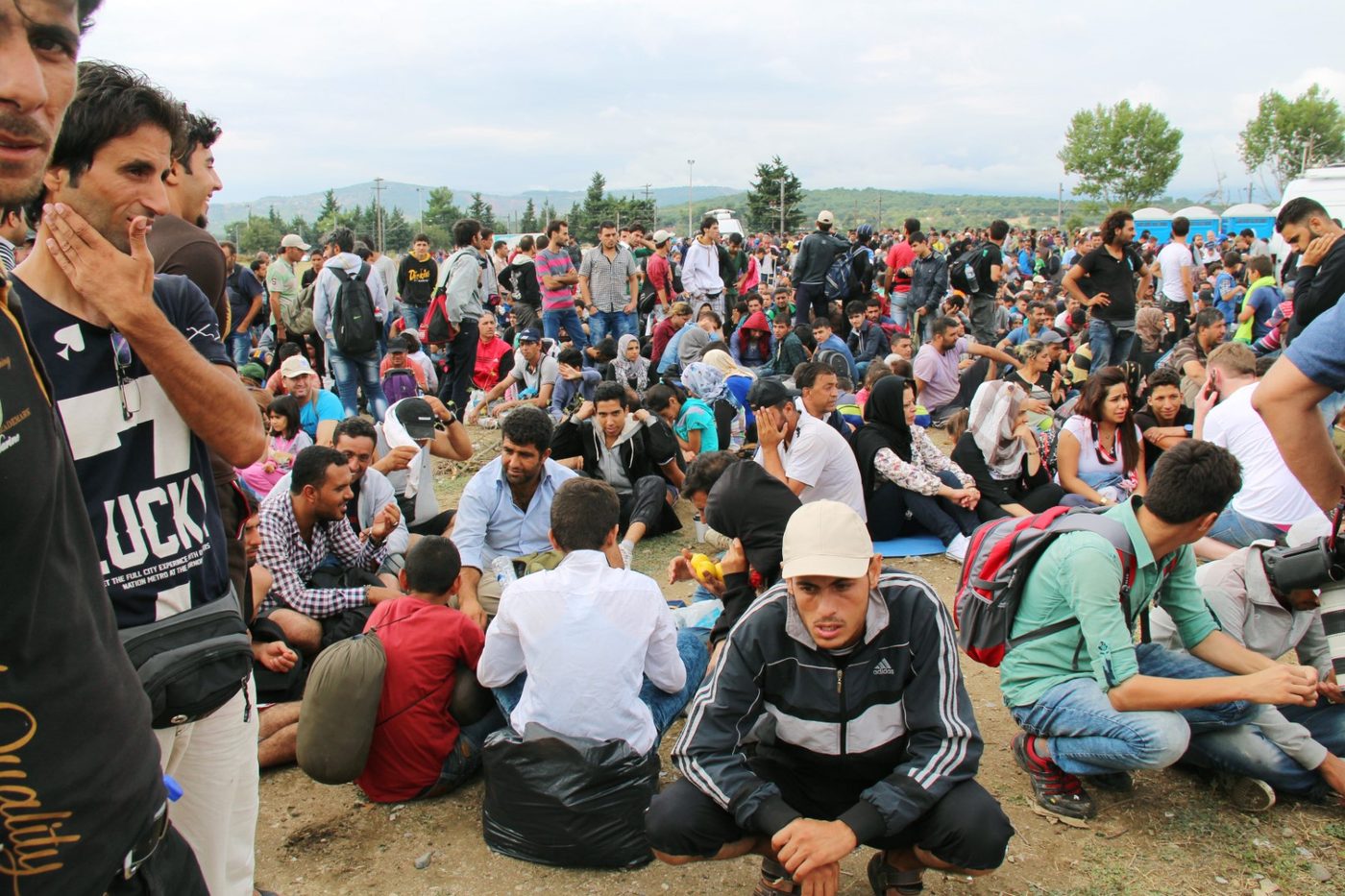
There are few users of media, either of the old or new variety, who have not now seen the corpse of 3-year-old Aylan Kurdi, the poor refugee boy who drowned en route to Europe. I understand why the Independent published it, and why people have been tweeting it – but I still wonder what the end result of this will be, and whether in the long term more people will die as a result of this grief. The motive is to pressure the government into accepting more refugees, or to send out more boats. Fine, and I agree we need to take many more Syrians. But as I’ve also argued before, rescuing more migrants in the Mediterranean will also lead to more people making the crossing in future and more young children drowning. (Sub-Saharan Africa will have a projected population of 4 billion this century, so Germany could maintain its current 1% of total population rate of refugee settlement indefinitely, although it would not be Germany in any meaningful sense for much longer.) Either way, we are not going to make better decisions by having pictures of dead children shoved in our face. Two weeks ago someone tweeted a short 30-second video, which I looked at without checking. It showed a man my age holding his two daughters to his chest; he was screaming and they were dead, their short, once happy lives just then ended by a government gas attack. The girls, perhaps 6 and 3, reminded me of my younger daughter and I could think of nothing else for the next few days. Why did I need to see that? Although I totally understand and respect the motives of the man who tweeted it, I don't think I did, and nor does anyone need see or tweet or publish the photograph of the poor boy on the beach. This is not about our feelings, although of course I'd rather not see these images. The tiny amount of distress a compassionate newspaper reader in Britain might feel is insignificant next to the terror and tragedy of those involved in war and migration. This is not even about the dignity of the dead, although there is that issue, too. Rather, it's that such emotional footage clouds our collective judgment, and often leads to worse outcomes. It creates the 'something must be done' mentality. Had western audiences been shown more footage of gas attacks by the Syrian government we may well have blundered into actively overthrowing Assad in 2013, and ISIS and the al-Nusra front might rule all of Syria now. The Syrian revolution, from the start, was able to draw on outside support because of graphic footage of violence by the government. And yet a cold analysis of Syria in 2011 would have told us this: it's a culturally diverse, highly religious society with ancient culture but very weak civil institutions. Any revolution would inevitably give rise to extremist Sunni groups far, far worse than the regime. The horrific footage coming out of Syria may have actually led western governments to cause more loss of life, when the least bad option for that country may be for the regime to win – yes, that same regime that gasses children. Likewise, by becoming distressed and emotional about 3-year-old Aylan, we may inadvertently cause more loss of life in future by making the wrong decisions. I don’t know what the solution is – no one does – but I would prefer these decisions were made in as unemotional state as is possible in the circumstances.
5:13 PM
Do we need to see pictures of dead children?
Our response to such images could lead to more future misery
Ed West

3 min read



Already a subscriber? Sign in
5freearticles every month
Continue reading with a free account. No card needed.
- Five free articles every thirty days, on any device you sign in on
- The Catholic Herald newsletter, every morning
- Subscribe whenever you like for everything: every article and the magazine
Related articles
 Newsroom
Church leaders urge Drumcree dialogue: ‘Too much is at stake’
The Catholic and Church of Ireland Archbishops of Armagh have urged a renewed commitment to peace and reconciliation amid the Drumcree stand-off
Corrie Douglas-Young Newsroom
Thousands of Irish children to join global Rosary campaign
Corrie Douglas-Young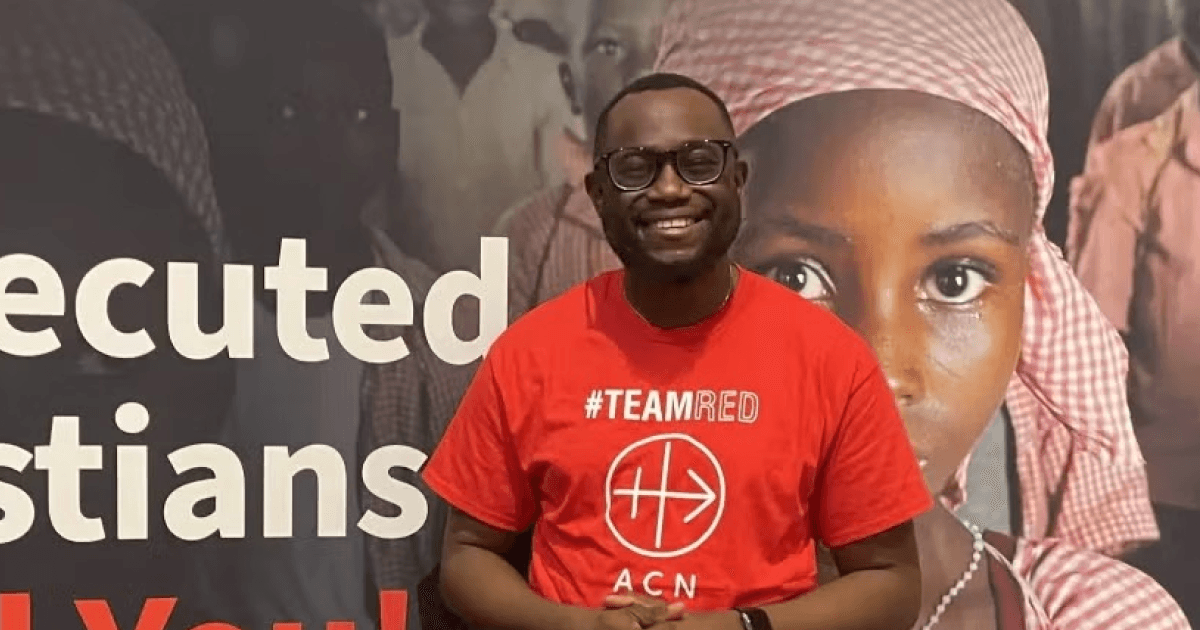 Newsroom
TikTok priest urges young people to stand with persecuted Christians
Nathalie Raffray Newsroom
Baby born at 25 weeks reunites with neonatologist two years after leaving hospital
The Catholic Herald Newsroom
Joe Biden honoured by Planned Parenthood after defending abortion rights
Christine Rousselle
subscribe to the catholic herald today
Our best content is exclusively available to our subscribers. Subscribe today and gain instant access to expert analysis, in-depth articles, and thought-provoking insights—anytime, anywhere. Don’t miss out on the conversations that matter most.
Subscribe



