
February 12, 2026

Don’t sneer at these free spirits

Tim Stanley
More
Related
Min read
share

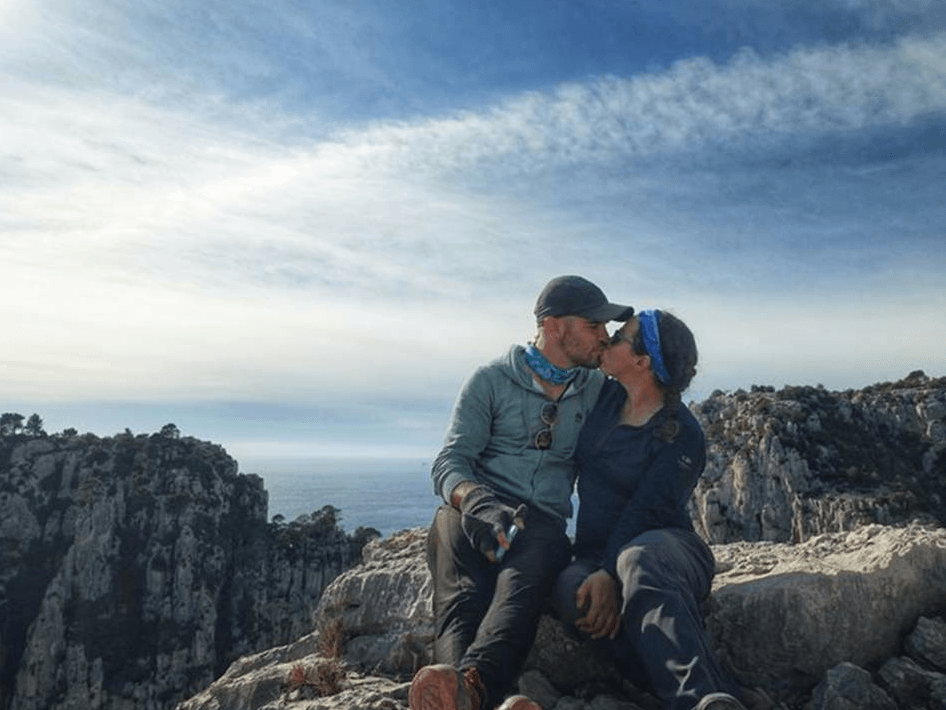
My first reaction when I heard about the deaths of Jay Austin and Lauren Geoghegan was “what a pair of bananas”. They were killed while cycling in Tajikistan – which sounds as reckless as self-catering in the Congo – and left behind a manifesto of sorts that has been mocked as the height of liberal myopia. “Evil,” Mr Austin wrote, “is a ­make-believe concept we’ve invented to deal with the complexities of fellow humans holding values and beliefs and perspectives different than our own.”

On July 29, that thesis was tested and disproved when they were spotted on the road by men pledging allegiance to ISIS. The monsters ran Jay and Lauren down with a Daewoo sedan.
“That’s ironic,” said some: which meant, cruelly, “they kind of had it coming.” But on closer reading, I found that the right-wing media – here’s a surprise – had got nearly every bit of this story wrong. The pair were not out to prove humanity is spotless; they were rooting for adventure. They weren’t hapless innocents; they were experienced travellers who’d been to Africa and Europe. They weren’t travelling alone; the attack killed four in total. And Tajikistan isn’t ISIS territory; the US State Department gave it a low-risk status.

More importantly, Jay and Lauren’s faith in humanity was based on experience. According to the New York Times, one day on their journey a Kazakh man stopped his truck and gave them ice-creams. On another, a family showed up outside their tent to serenade them with stringed instruments. So, no, these were not idiots, and more fool us for assuming they were. Jay and Lauren were good folk who took a gamble on the world and lost.

You could almost call them saintly, although not as Catholics would wholly understand it. One feature of many of the best Catholics I’ve known is radical trust: a willingness to expose themselves to risk and put themselves at the mercy of others.

But that doesn’t mean we shouldn’t be wary of evil. Ours is a faith of angels and demons: the best and the worst is contained within.

I love the way the Pope talks about the Devil as a real person – not just a menace but a sublimely intelligent creature, someone who can persuade you to do the worst things imaginable. Atheists call this notion superstitious nonsense, but the longer I live the more certain I am that evil exists. What more proof do you need? ISIS? The abusers of children? The men who covered for them?

The upside of seeing evil, however, is it strengthens your faith in good. Should you ever encounter the literal Devil, don’t panic. If he’s real then God must be, too, which means salvation is possible. Satan has no power if we’re unafraid – and that, when I imagine Jay and Lauren peddling through Tajikistan, is true liberation. Those kids weren’t frightened. Wow. How many of us can say the same?

........

The furthest afield I feel comfortable about going right now is Devon. I popped into the famous Buckfast Abbey recently, which must be doing well because the parking was free.

One of the historic sources of its cash was the famous, ultra-strong Buckfast Tonic Wine, which some say has caused a health crisis in Scotland. I’m reminded of that wonderful line in Father Brown from a nun who brews booze: “Our Lord asks for poverty, chastity and obedience. He never said anything about sobriety.”

The magnificent, early 20th-century church has been cleaned from top to toe, so that inside the white brickwork shines like Tom Cruise’s teeth. Alas, as is typical of so many of our religious houses, they attached a hideous carbuncle after the war: a chapel with a stunning glass window of Christ offset by large wooden shapes hanging lifelessly from a wall, a shot at conceptual art that turned out looking like Jesus’s tool rack.

There we heard an excellent sermon by a fiery Welsh monk. He was (rightly) irritated that a couple took the Eucharist from him but didn’t consume it immediately, carrying it back to their seat to finish it off with all the reverence of a fish supper. “I must say something about the correct way to receive Communion,” he said at the end of Mass. Two old ladies, who probably thought they had it down pat by now, got up to go, and he bellowed: “I haven’t finished talking yet!” Chastened, they sat down. He gave us a life lesson we’ll never forget.

Afterwards, I stopped him in the main church and complimented his sermon. “Where are you from?” he said.

“Kent,” I replied.

“My condolences,” he snapped, and marched off into the pouring rain.

Tim Stanley is a journalist, historian and Catholic Herald contributing editor

My first reaction when I heard about the deaths of Jay Austin and Lauren Geoghegan was “what a pair of bananas”. They were killed while cycling in Tajikistan – which sounds as reckless as self-catering in the Congo – and left behind a manifesto of sorts that has been mocked as the height of liberal myopia. “Evil,” Mr Austin wrote, “is a ­make-believe concept we’ve invented to deal with the complexities of fellow humans holding values and beliefs and perspectives different than our own.”

On July 29, that thesis was tested and disproved when they were spotted on the road by men pledging allegiance to ISIS. The monsters ran Jay and Lauren down with a Daewoo sedan.
“That’s ironic,” said some: which meant, cruelly, “they kind of had it coming.” But on closer reading, I found that the right-wing media – here’s a surprise – had got nearly every bit of this story wrong. The pair were not out to prove humanity is spotless; they were rooting for adventure. They weren’t hapless innocents; they were experienced travellers who’d been to Africa and Europe. They weren’t travelling alone; the attack killed four in total. And Tajikistan isn’t ISIS territory; the US State Department gave it a low-risk status.

More importantly, Jay and Lauren’s faith in humanity was based on experience. According to the New York Times, one day on their journey a Kazakh man stopped his truck and gave them ice-creams. On another, a family showed up outside their tent to serenade them with stringed instruments. So, no, these were not idiots, and more fool us for assuming they were. Jay and Lauren were good folk who took a gamble on the world and lost.

You could almost call them saintly, although not as Catholics would wholly understand it. One feature of many of the best Catholics I’ve known is radical trust: a willingness to expose themselves to risk and put themselves at the mercy of others.

But that doesn’t mean we shouldn’t be wary of evil. Ours is a faith of angels and demons: the best and the worst is contained within.

I love the way the Pope talks about the Devil as a real person – not just a menace but a sublimely intelligent creature, someone who can persuade you to do the worst things imaginable. Atheists call this notion superstitious nonsense, but the longer I live the more certain I am that evil exists. What more proof do you need? ISIS? The abusers of children? The men who covered for them?

The upside of seeing evil, however, is it strengthens your faith in good. Should you ever encounter the literal Devil, don’t panic. If he’s real then God must be, too, which means salvation is possible. Satan has no power if we’re unafraid – and that, when I imagine Jay and Lauren peddling through Tajikistan, is true liberation. Those kids weren’t frightened. Wow. How many of us can say the same?

........

The furthest afield I feel comfortable about going right now is Devon. I popped into the famous Buckfast Abbey recently, which must be doing well because the parking was free.

One of the historic sources of its cash was the famous, ultra-strong Buckfast Tonic Wine, which some say has caused a health crisis in Scotland. I’m reminded of that wonderful line in Father Brown from a nun who brews booze: “Our Lord asks for poverty, chastity and obedience. He never said anything about sobriety.”

The magnificent, early 20th-century church has been cleaned from top to toe, so that inside the white brickwork shines like Tom Cruise’s teeth. Alas, as is typical of so many of our religious houses, they attached a hideous carbuncle after the war: a chapel with a stunning glass window of Christ offset by large wooden shapes hanging lifelessly from a wall, a shot at conceptual art that turned out looking like Jesus’s tool rack.

There we heard an excellent sermon by a fiery Welsh monk. He was (rightly) irritated that a couple took the Eucharist from him but didn’t consume it immediately, carrying it back to their seat to finish it off with all the reverence of a fish supper. “I must say something about the correct way to receive Communion,” he said at the end of Mass. Two old ladies, who probably thought they had it down pat by now, got up to go, and he bellowed: “I haven’t finished talking yet!” Chastened, they sat down. He gave us a life lesson we’ll never forget.

Afterwards, I stopped him in the main church and complimented his sermon. “Where are you from?” he said.

“Kent,” I replied.

“My condolences,” he snapped, and marched off into the pouring rain.

Tim Stanley is a journalist, historian and Catholic Herald contributing editor

subscribe to
the catholic herald

Continue reading your article with a subscription.
Read 5 articles with our free plan.
Subscribe

subscribe to the catholic herald today

Our best content is exclusively available to our subscribers. Subscribe today and gain instant access to expert analysis, in-depth articles, and thought-provoking insights—anytime, anywhere. Don’t miss out on the conversations that matter most.
Subscribe