


February 12, 2026

Don't teach gender fluidity and other 'fringe ideologies' to under-16s, says UKIP spokesman

Staff Reporter
More
No items found.
Related
Min read
share

The sex education debate in Britain is “obsessing on gender queer theory,” putting children “at risk of sexualisation” at an early age, UKIP's education spokesman said.

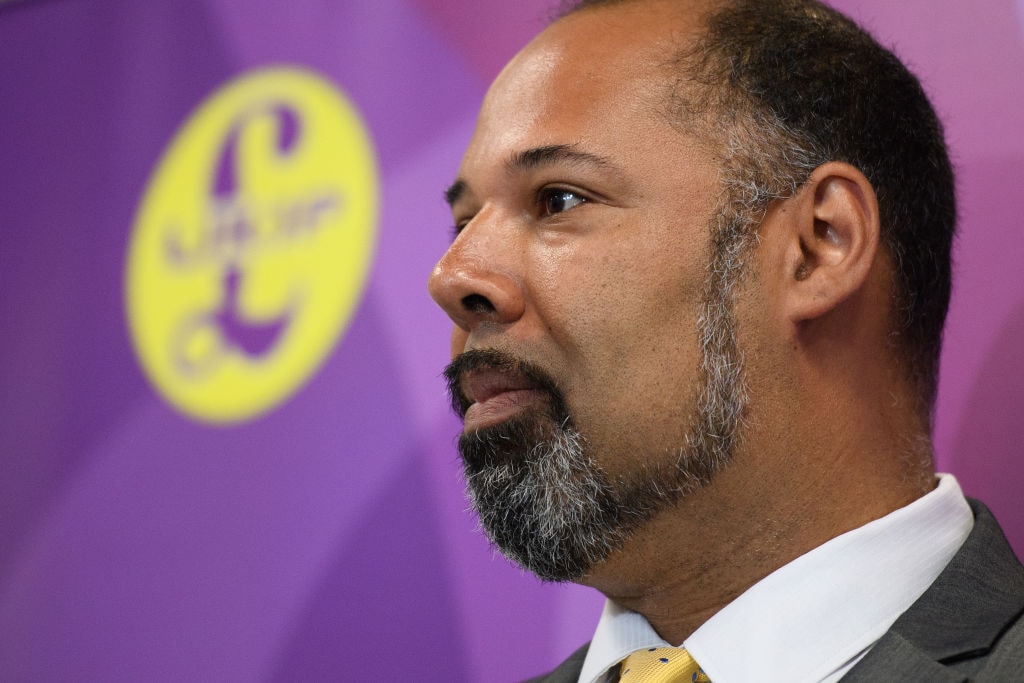
David Kurten condemned the teaching of "non-reproductive sexual acts, sex-change operations or gender fluidity" to school pupils under the age of 16.

“We must protect our children from damaging and confusing fringe ideologies which sexualise children at an early age and confuse their natural development as boys and girls – both in primary, secondary and even pre-schools,” Kurten said at a press conference in London yesterday, according to TES.

Kurten suggested that such topics be introduced after a child turns 16 when they "can deal with these different concepts".

His remarks follow the finding that recent cuts in sex education and contraceptive services contributed to a reduction in teenage pregnancy, in contrast to public policy assumptions that have existed since the 1970’s.

Research carried out by David Paton of the Nottingham University Business School, and Liam Wright of the University of Sheffield, discovered that under-age pregnancy rates fell most sharply in those local authority areas which aggressively cut teenage pregnancy budgets as part of post-crash austerity measures.

Analysing trends in 149 local authorities between 2009 and 2014, the researchers found that cuts to sex education and contraceptive provision both by central and local government coincided with teenage pregnancy rates falling by 42.6 per cent between 2008 and 2013, reaching their lowest level since 1969.

In an article for The Catholic Herald, Professor Paton wrote: "The devil is in the detail of what information is delivered, by whom and at what age. Given that statutory SRE (sex and relationships education) is coming whether we like it or not, the emphasis must now shift to ensuring that schools get these details right.”

The sex education debate in Britain is “obsessing on gender queer theory,” putting children “at risk of sexualisation” at an early age, UKIP's education spokesman said.

David Kurten condemned the teaching of "non-reproductive sexual acts, sex-change operations or gender fluidity" to school pupils under the age of 16.

“We must protect our children from damaging and confusing fringe ideologies which sexualise children at an early age and confuse their natural development as boys and girls – both in primary, secondary and even pre-schools,” Kurten said at a press conference in London yesterday, according to TES.

Kurten suggested that such topics be introduced after a child turns 16 when they "can deal with these different concepts".

His remarks follow the finding that recent cuts in sex education and contraceptive services contributed to a reduction in teenage pregnancy, in contrast to public policy assumptions that have existed since the 1970’s.

Research carried out by David Paton of the Nottingham University Business School, and Liam Wright of the University of Sheffield, discovered that under-age pregnancy rates fell most sharply in those local authority areas which aggressively cut teenage pregnancy budgets as part of post-crash austerity measures.

Analysing trends in 149 local authorities between 2009 and 2014, the researchers found that cuts to sex education and contraceptive provision both by central and local government coincided with teenage pregnancy rates falling by 42.6 per cent between 2008 and 2013, reaching their lowest level since 1969.

In an article for The Catholic Herald, Professor Paton wrote: "The devil is in the detail of what information is delivered, by whom and at what age. Given that statutory SRE (sex and relationships education) is coming whether we like it or not, the emphasis must now shift to ensuring that schools get these details right.”

subscribe to
the catholic herald

Continue reading your article with a subscription.
Read 5 articles with our free plan.
Subscribe

subscribe to the catholic herald today

Our best content is exclusively available to our subscribers. Subscribe today and gain instant access to expert analysis, in-depth articles, and thought-provoking insights—anytime, anywhere. Don’t miss out on the conversations that matter most.
Subscribe