



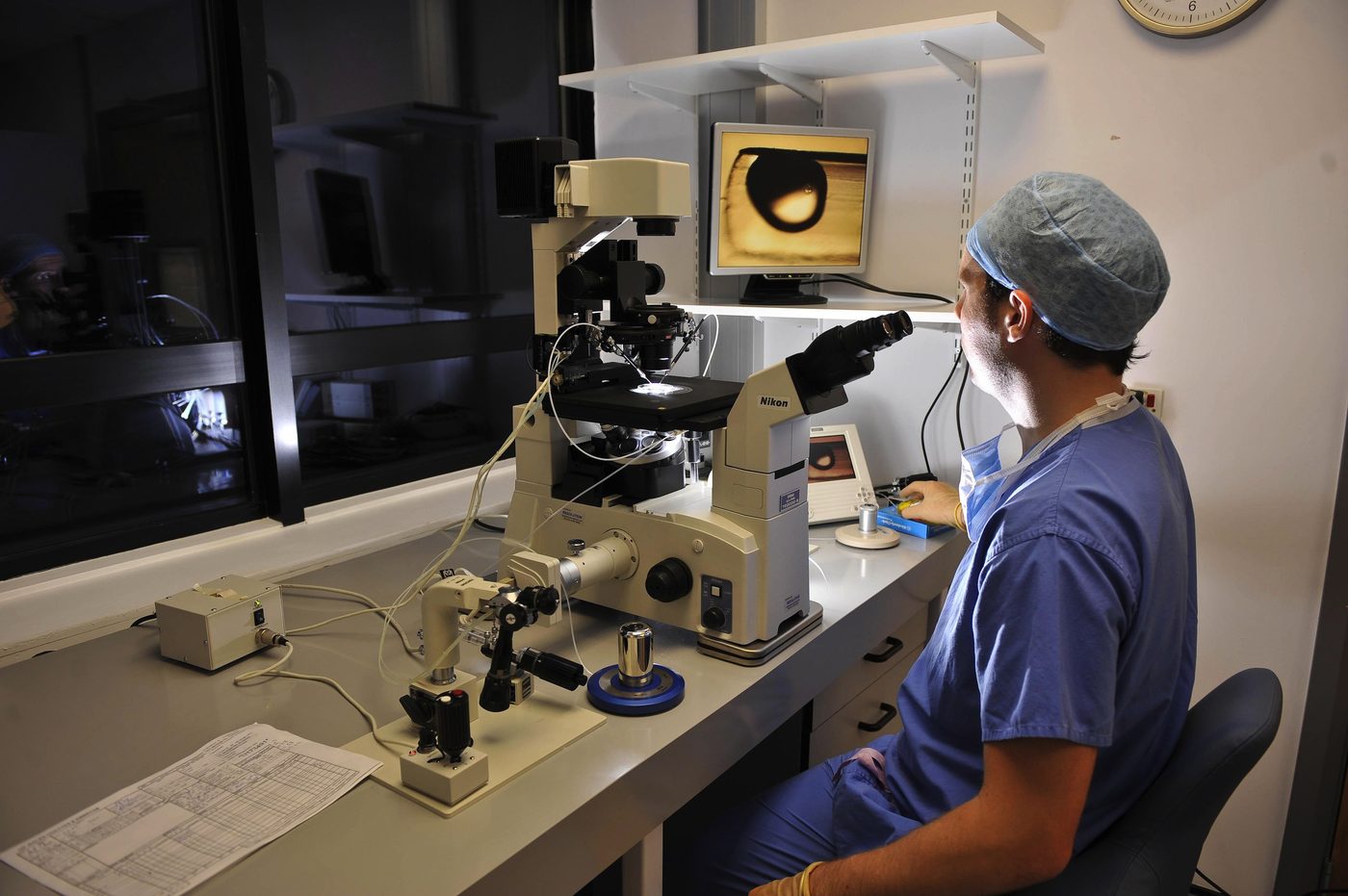
Researchers have discovered a way to keep human embryos alive in laboratories for longer, paving the way for experimentation on embryos beyond the current legal limit. Previously, embryos grown in laboratories have not lived past nine days – the stage at which an embryo needs to an implant in order to survive. But scientists at the University of Cambridge have discovered a way to keep embryos alive beyond that point. The embryos were allowed to die at 13 days, because the current law does not permit them to live beyond 14 days. For the first time, it is now scientifically possible to transgress the 14-day limit, which may lead to pressure to extend the legal time period. In a report published in the journal Nature, the researchers said their observation of the embryos suggested that “events at this stage of human development are embryo-autonomous, highlighting the remarkable and unanticipated self-organising properties of human embryos”. The director of the Anscombe Bioethics Centre, Professor David Albert Jones, said in a statement that the scientists “have shown how embryonic human beings live and develop with a life that is their own from the very beginning. Even at the embryonic stage, the human organism is a living, autonomous being, a self, a wonderful life that can be sustained or can be destroyed. “It is a dark irony that they learned this through experimenting on and destroying these very same remarkable self-organising human lives.” Professor Jones said that the technique would lead to more experimentation on human embryos, and might even be a step towards “culturing babies outside the womb, where the child is not only conceived outside the protection of his or her mother's body but no such human connection is envisaged at any stage.” He added: “Human life and human pregnancy should not be separated in this way. On a technical level this experiment represents a breakthrough but it is also a further step away from ethical science and a further step towards an increasingly inhuman future.”
4:19 PM
Ethicist says embryo breakthrough is a 'step towards an inhuman future'
Researchers have kept embryos alive in a laboratory for 13 days
Staff Reporter

2 min read



Already a subscriber? Sign in
5freearticles every month
Continue reading with a free account. No card needed.
- Five free articles every thirty days, on any device you sign in on
- The Catholic Herald newsletter, every morning
- Subscribe whenever you like for everything: every article and the magazine
Related articles
 Newsroom
Church leaders urge Drumcree dialogue: ‘Too much is at stake’
The Catholic and Church of Ireland Archbishops of Armagh have urged a renewed commitment to peace and reconciliation amid the Drumcree stand-off
Corrie Douglas-Young Newsroom
Thousands of Irish children to join global Rosary campaign
Corrie Douglas-Young Newsroom
TikTok priest urges young people to stand with persecuted Christians
Nathalie Raffray Newsroom
Baby born at 25 weeks reunites with neonatologist two years after leaving hospital
The Catholic Herald Newsroom
Joe Biden honoured by Planned Parenthood after defending abortion rights
Christine Rousselle
subscribe to the catholic herald today
Our best content is exclusively available to our subscribers. Subscribe today and gain instant access to expert analysis, in-depth articles, and thought-provoking insights—anytime, anywhere. Don’t miss out on the conversations that matter most.
Subscribe



