

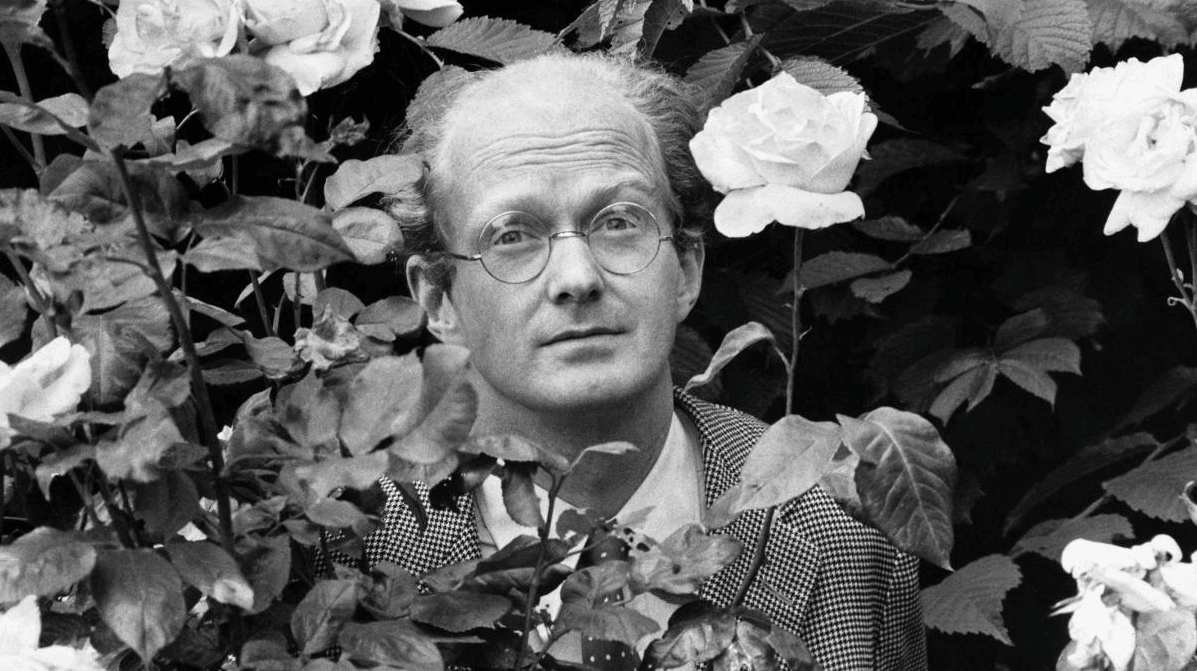
A Scribbler in Soho By Auberon Waugh, with commentary by Naim Attallah, Quartet, 341pp, £20/$29 In a 1973 essay about PG Wodehouse, Auberon Waugh wrote about discovering his 10-year-old daughter, Sophia, spluttering with laughter on the sofa at home. Sophia had worked out Wodehouse’s crucial lesson; what Bron called the Great English Joke: “All seriousness – personal, religious, political – is reduced to absurdity … the best jokes completely ignore everything in which men of authority try to interest us.” To anyone who gets the essential joke of life, Auberon Waugh (1939-2001) was the greatest journalist of the 20th century. Humourless people never work Bron out; they crassly think of him as a hang ’em and flog ’em authoritarian. Bron, who would have been 80 this November, wasn’t just extremely funny – a rare enough gift. He was also completely fearless. And he was a prose stylist as accomplished as his father – the greatest novelist of the 20th century. (I must confess that I knew Bron – a great friend of my parents and very kind to me as a child; always a good sign.) To possess one of these attributes is impressive enough – to have all of them is unique. All three were on prominent display in Bron during the Jeremy Thorpe trial. It’s easy enough to accuse Thorpe of conspiracy to murder, now that he’s dead. Bron came as close as legally possible to saying it while he was alive – which showed real bravery, as well as an understanding of libel law. (He kept a copy of Gatley on Libel and Slander by his bed.) Here is Bron on Thorpe in 1982 in his masterpiece, his Private Eye diaries. The opening line refers to Thorpe having Rinka, his ex-lover Norman Scott’s dog, shot dead.
2:00 PM
Auberon Waugh was as brilliant as his father
a scribbler in soho by auberon waugh, with commentary by naim attallah, quartet, 341pp, £20/$29 in a 1973 essay about pg wodehouse, auberon ...
Harry Mount

5 min read



Already a subscriber? Sign in
5freearticles every month
Continue reading with a free account. No card needed.
- Five free articles every thirty days, on any device you sign in on
- The Catholic Herald newsletter, every morning
- Subscribe whenever you like for everything: every article and the magazine

subscribe to the catholic herald today
Our best content is exclusively available to our subscribers. Subscribe today and gain instant access to expert analysis, in-depth articles, and thought-provoking insights—anytime, anywhere. Don’t miss out on the conversations that matter most.
Subscribe



