February 12, 2026

Faith, whiskey and bad weather

Charlie Hegarty
More
No items found.
Related
Min read
share

Jerusalem, Jerusalem!
By Chilton Williamson Jr, Chronicle, £20

If you are a Catholic novelist writing today, how do you suggest a world where faith matters, without being self-conscious or appearing to proselytise? This is the question all Catholic writers must ask themselves. You can’t set aside your faith for the sake of fiction, yet you don’t want to invent a world foreign to most readers.

Williamson has succeeded in creating a society where belief in God is still credible, underpinning all the peccadilloes and larger sins that his characters demonstrate in their behaviour. Perhaps it helps that the author is from America, where religious belief is still taken seriously, and that his fictitious world is a coal town in Wyoming, where ranchers, cattle rustling, extreme weather and generous amounts of alcohol form the background to people’s lives.
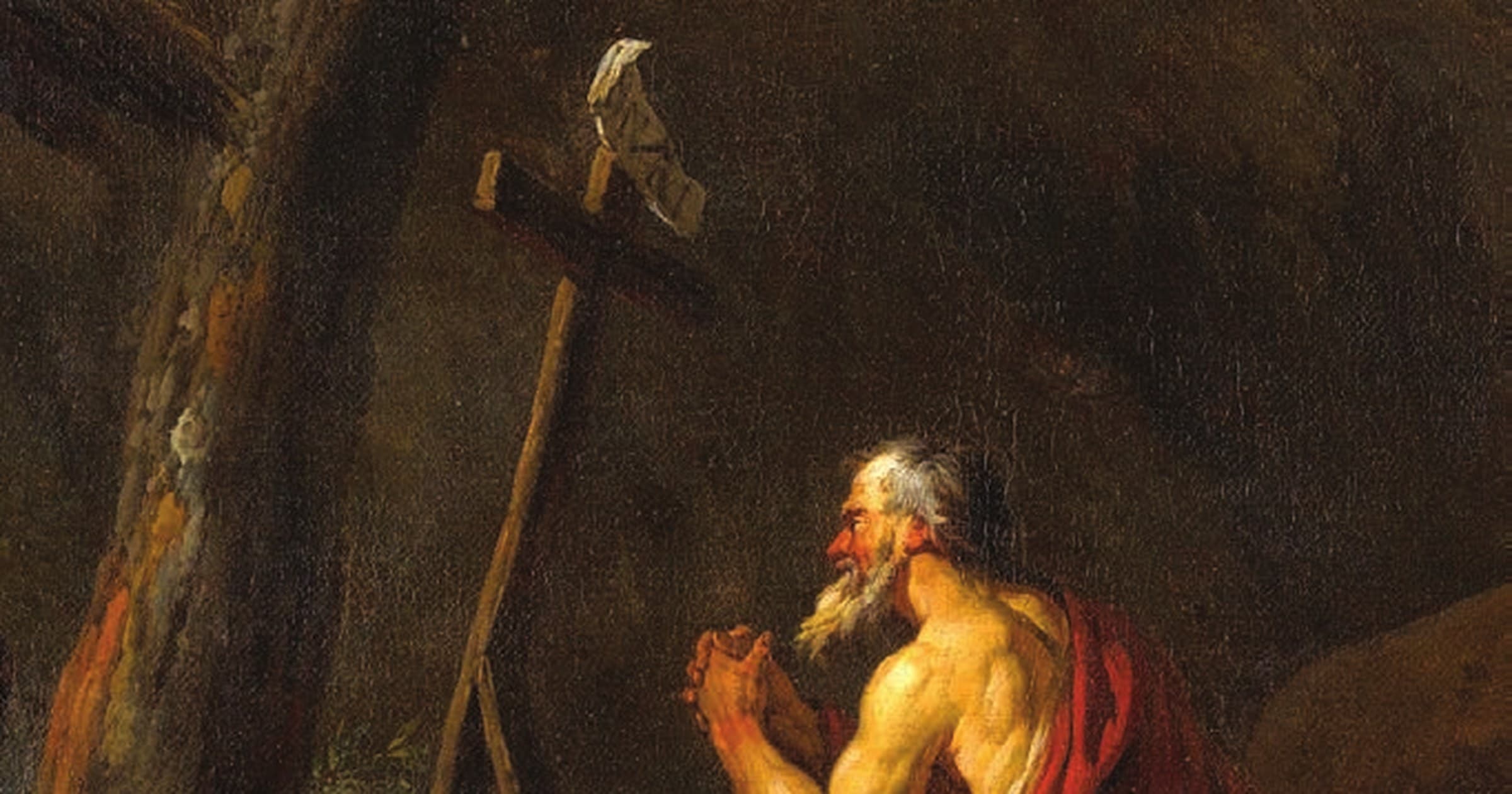
We are introduced to Father Hillary, pious and traditional in his faith, newly assigned to this western outpost. His introduction to parish life is at first an unsettling experience and he is shocked by the forbidding landscape: “He’d always considered himself a lover of nature, but what he was experiencing in the American West was not nature but pre-nature, the elemental force from which nature itself had been created.” There is also the rancher Houston Walker, single yet brooding about his past and present affairs.

Williamson relates that “The history of the West was the history of isolated, lonely and desperate men, and Houston Walker was beginning to think he himself was destined to be one of them.” Behind the other characters lies the wealthy, cheerful paraplegic Mary Lacy Fitzpatrick, paralysed after a riding accident in her youth, upheld by her Catholic faith and choosing to do quiet acts of benevolence with her money for those she comes across in the tight, gossipy community of Fontenelle.

On first reading it might seem that the chapters are puzzlingly discrete, falling into separate, disconnected vignettes. But this subtle writer, who shows his hand allusively and in throwaway lines that bear a second reading, brings his narrative to a delicately satisfying conclusion.

Jerusalem, Jerusalem!
By Chilton Williamson Jr, Chronicle, £20

If you are a Catholic novelist writing today, how do you suggest a world where faith matters, without being self-conscious or appearing to proselytise? This is the question all Catholic writers must ask themselves. You can’t set aside your faith for the sake of fiction, yet you don’t want to invent a world foreign to most readers.

Williamson has succeeded in creating a society where belief in God is still credible, underpinning all the peccadilloes and larger sins that his characters demonstrate in their behaviour. Perhaps it helps that the author is from America, where religious belief is still taken seriously, and that his fictitious world is a coal town in Wyoming, where ranchers, cattle rustling, extreme weather and generous amounts of alcohol form the background to people’s lives.
We are introduced to Father Hillary, pious and traditional in his faith, newly assigned to this western outpost. His introduction to parish life is at first an unsettling experience and he is shocked by the forbidding landscape: “He’d always considered himself a lover of nature, but what he was experiencing in the American West was not nature but pre-nature, the elemental force from which nature itself had been created.” There is also the rancher Houston Walker, single yet brooding about his past and present affairs.

Williamson relates that “The history of the West was the history of isolated, lonely and desperate men, and Houston Walker was beginning to think he himself was destined to be one of them.” Behind the other characters lies the wealthy, cheerful paraplegic Mary Lacy Fitzpatrick, paralysed after a riding accident in her youth, upheld by her Catholic faith and choosing to do quiet acts of benevolence with her money for those she comes across in the tight, gossipy community of Fontenelle.

On first reading it might seem that the chapters are puzzlingly discrete, falling into separate, disconnected vignettes. But this subtle writer, who shows his hand allusively and in throwaway lines that bear a second reading, brings his narrative to a delicately satisfying conclusion.

subscribe to
the catholic herald

Continue reading your article with a subscription.
Read 5 articles with our free plan.
Subscribe

subscribe to the catholic herald today

Our best content is exclusively available to our subscribers. Subscribe today and gain instant access to expert analysis, in-depth articles, and thought-provoking insights—anytime, anywhere. Don’t miss out on the conversations that matter most.
Subscribe