




Fellini’s Eternal Rome
By Alessandro Carrera
Bloomsbury, 186pp, £65/$80
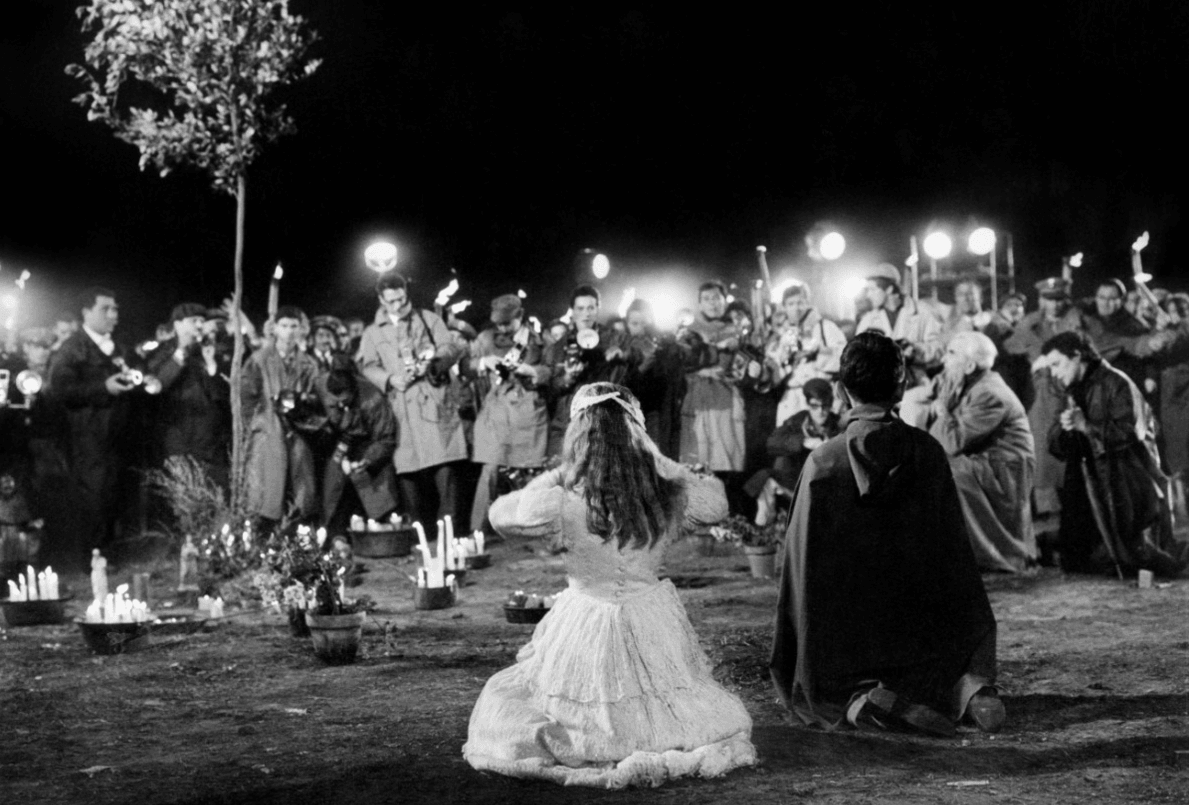
No film conjured so memorably the flashbulb glitz and moral darkness of Italy’s post-war “economic miracle” as Federico Fellini’s La Dolce Vita. A box-office triumph in 1960, it launched Marcello Mastroianni as the world-weary matinee idol, and Anita Ekberg as a Swedish diva-in-furs.
Beneath the roseate flush of Italy’s newfound consumer idyll, all was not well. The miracolo italiano had failed to extend to the south, the “other Italy”, where there was real poverty. The Holy See, on the eve of its reformation under the Second Vatican Council, objected to the scene where Mastroianni frolicks in the waters of the Trevi Fountain with Ekberg, and tried to have the film banned. Thanks in part to that provoking scene, Sixties Rome became a fantasy of the erotic dolce vita – “sweet life”.