February 12, 2026

Fine Art: An overwhelming sense of pathos and guilt

David Scrase
More
Related
Min read
share

Beyond Caravaggio
National Gallery, London, until January 15

Jointly organised by the National Galleries of London, Dublin and Edinburgh, this exhibition takes the opportunity to bring to prominence the few paintings by Caravaggio in British Isles collections, and to present them in proximity with works by artists who, for the most part, were influenced by him. The National Gallery of Ireland has a particularly fine group of Caravaggisti and there are important paintings in Scotland. Without the participation of both these galleries, the exhibition would have been impossible.
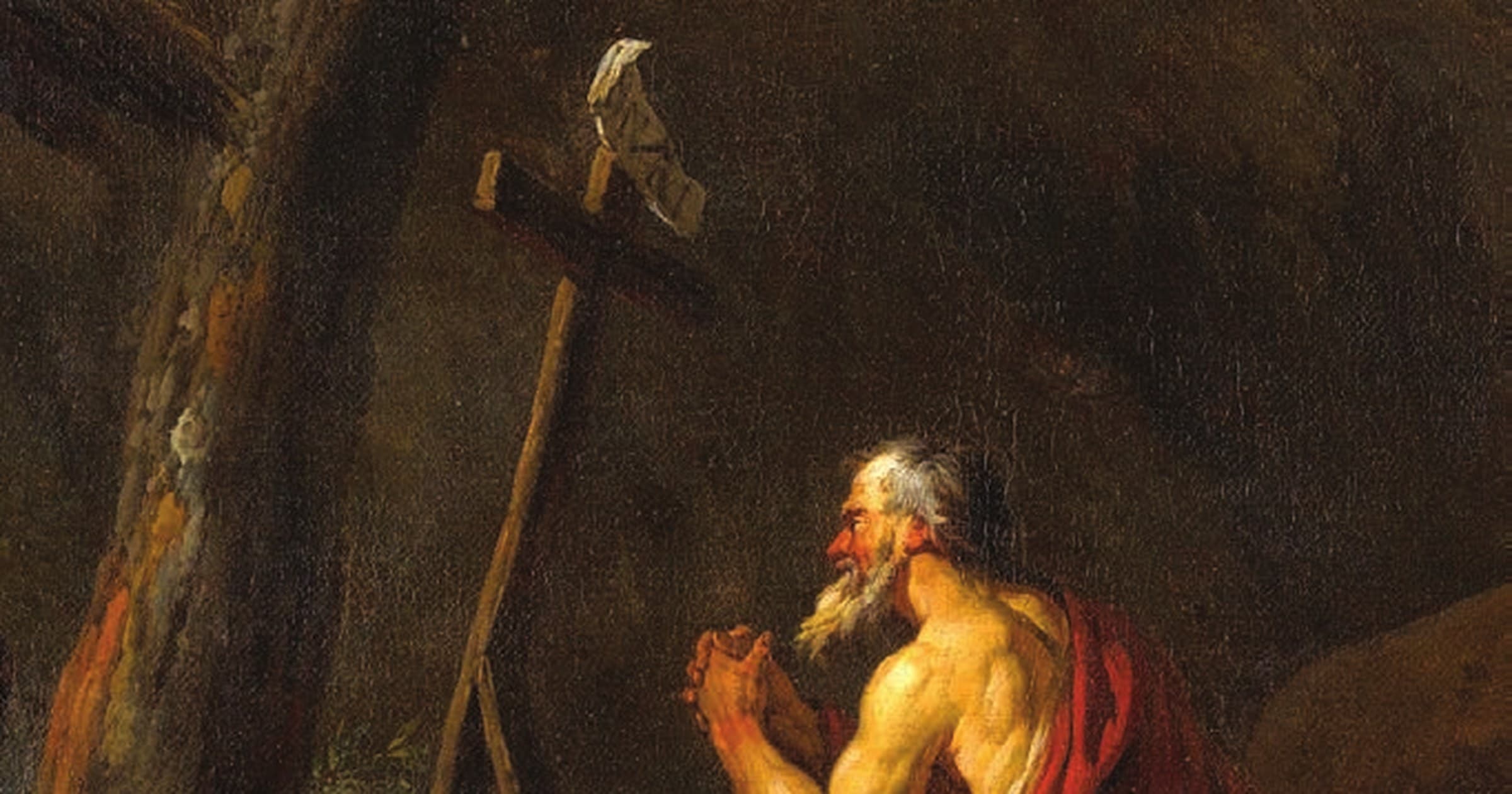
There are just sufficient examples by Caravaggio to justify the inclusion of his name in the exhibition title, not least because by chance his whole career can be seen within it, in miniature.

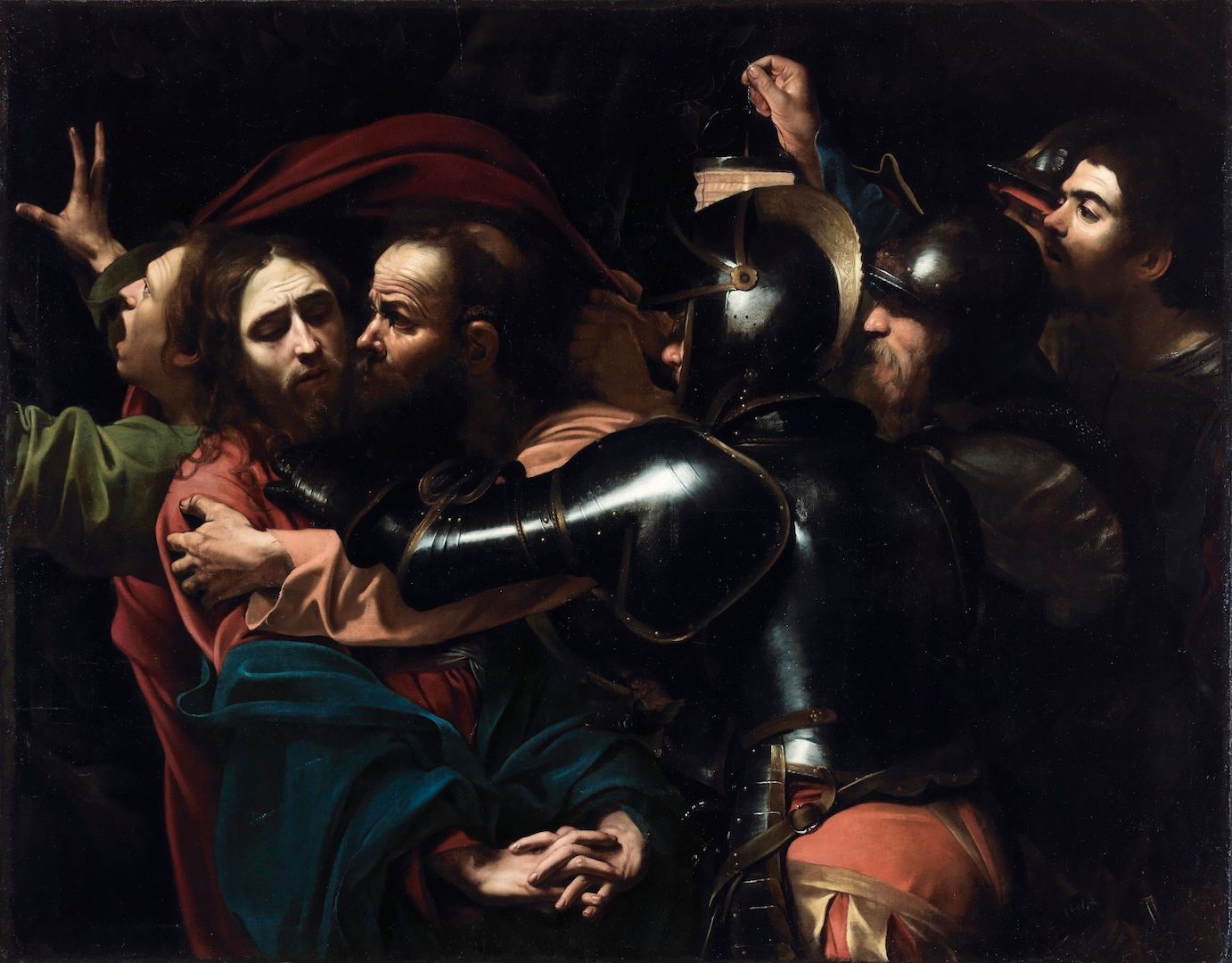
The early Boy Bitten by a Lizard (c 1594-95) exemplifies Caravaggio’s infatuation with young male models and exquisitely painted still life. St John the Baptist in the Wilderness (c 1603-04), a spectacular loan from Kansas City, shows a sulky-looking adolescent, beautifully modelled and young: a new way of representing the Baptist which would be adopted by Guido Reni among others. The National Gallery’s Supper at Emmaus of 1601 and Dublin’s The Taking of Christ, painted in 1602, as a pendant to the Emmaus painting, look marvellous.

Such masterpieces exemplify what his contemporaries considered to be Caravaggist. The figures are half-length, are painted from life and are lit from the top left. Still-life details are brilliant – see the fruit and food in the Emmaus and the armour in the Taking of Christ. His handling of drapery has a great sense of weight and texture, while his characterisation is terrific. The sombre Salome Receives the Head of John the Baptist, painted with abbreviated brushstrokes, marked chiaroscuro and the muted palette (characteristic of his final period) has an overwhelming sense of pathos and guilt. In this company, Sir Denis Mahon’s insistence that the National Gallery buy it in 1970 is shown to have been vital.

The sheer variety and individuality of the artists working in the wake of Caravaggio make it difficult to know what to expect of the exhibition, and there are both handsome paintings and clumsy, even ugly ones. The artists most closely influenced by him – Manfredi; Le Valentin; Orazio and Artemisia Gentileschi; Caracciolo; Ribera; Mattia Preti and, for a brief moment, Guido Reni – are all represented by fine examples, though I was surprised not to find Guercino included.

Spadarino’s full-frontal version of Christ Displaying his Wounds was simply repellent; on the other hand, his Incredulity of St Thomas was quite acceptable as a more formal composition, based on Caravaggio’s Potsdam painting of the same name. Borgianni’s St Christopher Carrying the Infant Christ is one of the best of the paintings lent from Edinburgh.

In the catalogue, a photograph of Caravaggio’s Ecstasy of St Francis from the Wadsworth Atheneum, alongside an image of Baglione’s painting of the same subject, emphasises the lack of poetry in the older artist’s work. The same should be said of Manetti’s overloaded composition of Victorious Earthly Love, where Cupid’s legs look as if they were made of plastic porcelain. Caracciolo’s Sleeping Cupid lacks the subtlety of tonal modelling, and realism, of Caravaggio’s Pitti picture.

Ribera’s Martyrdom of St Bartholomew is a masterpiece, and should not have been allowed to leave the country for Washington some 25 years ago. The Barber Institute’s Crucifixion of St Peter (Mattia Preti), on the other hand, was one of the best acquisitions under Hamish Miles’s directorship.

The Northerners are well represented. Baburen’s Cimon and Pero (Roman Charity) is harshly painted and lacks the refinement of the “anonymous” author of Tobias and the Angel – which looks to me to be by the Dutchman, Pieter de Grebber (1600-1652/3). Honthorst’s Christ before the High Priest and Terbrugghen’s The Concert have never looked better than in this company. And, although I can see the temptation to include de la Tour, he doesn’t really fit in as a Caravaggist – his paintings are too flat, too idiosyncratic, too French.

The exhibition gives the opportunity to see Caravaggio’s work in the context of a fascinating series of paintings by artists for the most part little-known to the general public. The “magic” of the name Caravaggio should attract an audience to whom many of the artists will be unknown. With luck they will come out exhilarated by the opportunity to get to know them.

Beyond Caravaggio
National Gallery, London, until January 15

Jointly organised by the National Galleries of London, Dublin and Edinburgh, this exhibition takes the opportunity to bring to prominence the few paintings by Caravaggio in British Isles collections, and to present them in proximity with works by artists who, for the most part, were influenced by him. The National Gallery of Ireland has a particularly fine group of Caravaggisti and there are important paintings in Scotland. Without the participation of both these galleries, the exhibition would have been impossible.
There are just sufficient examples by Caravaggio to justify the inclusion of his name in the exhibition title, not least because by chance his whole career can be seen within it, in miniature.

The early Boy Bitten by a Lizard (c 1594-95) exemplifies Caravaggio’s infatuation with young male models and exquisitely painted still life. St John the Baptist in the Wilderness (c 1603-04), a spectacular loan from Kansas City, shows a sulky-looking adolescent, beautifully modelled and young: a new way of representing the Baptist which would be adopted by Guido Reni among others. The National Gallery’s Supper at Emmaus of 1601 and Dublin’s The Taking of Christ, painted in 1602, as a pendant to the Emmaus painting, look marvellous.

Such masterpieces exemplify what his contemporaries considered to be Caravaggist. The figures are half-length, are painted from life and are lit from the top left. Still-life details are brilliant – see the fruit and food in the Emmaus and the armour in the Taking of Christ. His handling of drapery has a great sense of weight and texture, while his characterisation is terrific. The sombre Salome Receives the Head of John the Baptist, painted with abbreviated brushstrokes, marked chiaroscuro and the muted palette (characteristic of his final period) has an overwhelming sense of pathos and guilt. In this company, Sir Denis Mahon’s insistence that the National Gallery buy it in 1970 is shown to have been vital.

The sheer variety and individuality of the artists working in the wake of Caravaggio make it difficult to know what to expect of the exhibition, and there are both handsome paintings and clumsy, even ugly ones. The artists most closely influenced by him – Manfredi; Le Valentin; Orazio and Artemisia Gentileschi; Caracciolo; Ribera; Mattia Preti and, for a brief moment, Guido Reni – are all represented by fine examples, though I was surprised not to find Guercino included.

Spadarino’s full-frontal version of Christ Displaying his Wounds was simply repellent; on the other hand, his Incredulity of St Thomas was quite acceptable as a more formal composition, based on Caravaggio’s Potsdam painting of the same name. Borgianni’s St Christopher Carrying the Infant Christ is one of the best of the paintings lent from Edinburgh.

In the catalogue, a photograph of Caravaggio’s Ecstasy of St Francis from the Wadsworth Atheneum, alongside an image of Baglione’s painting of the same subject, emphasises the lack of poetry in the older artist’s work. The same should be said of Manetti’s overloaded composition of Victorious Earthly Love, where Cupid’s legs look as if they were made of plastic porcelain. Caracciolo’s Sleeping Cupid lacks the subtlety of tonal modelling, and realism, of Caravaggio’s Pitti picture.

Ribera’s Martyrdom of St Bartholomew is a masterpiece, and should not have been allowed to leave the country for Washington some 25 years ago. The Barber Institute’s Crucifixion of St Peter (Mattia Preti), on the other hand, was one of the best acquisitions under Hamish Miles’s directorship.

The Northerners are well represented. Baburen’s Cimon and Pero (Roman Charity) is harshly painted and lacks the refinement of the “anonymous” author of Tobias and the Angel – which looks to me to be by the Dutchman, Pieter de Grebber (1600-1652/3). Honthorst’s Christ before the High Priest and Terbrugghen’s The Concert have never looked better than in this company. And, although I can see the temptation to include de la Tour, he doesn’t really fit in as a Caravaggist – his paintings are too flat, too idiosyncratic, too French.

The exhibition gives the opportunity to see Caravaggio’s work in the context of a fascinating series of paintings by artists for the most part little-known to the general public. The “magic” of the name Caravaggio should attract an audience to whom many of the artists will be unknown. With luck they will come out exhilarated by the opportunity to get to know them.

subscribe to
the catholic herald

Continue reading your article with a subscription.
Read 5 articles with our free plan.
Subscribe

subscribe to the catholic herald today

Our best content is exclusively available to our subscribers. Subscribe today and gain instant access to expert analysis, in-depth articles, and thought-provoking insights—anytime, anywhere. Don’t miss out on the conversations that matter most.
Subscribe