


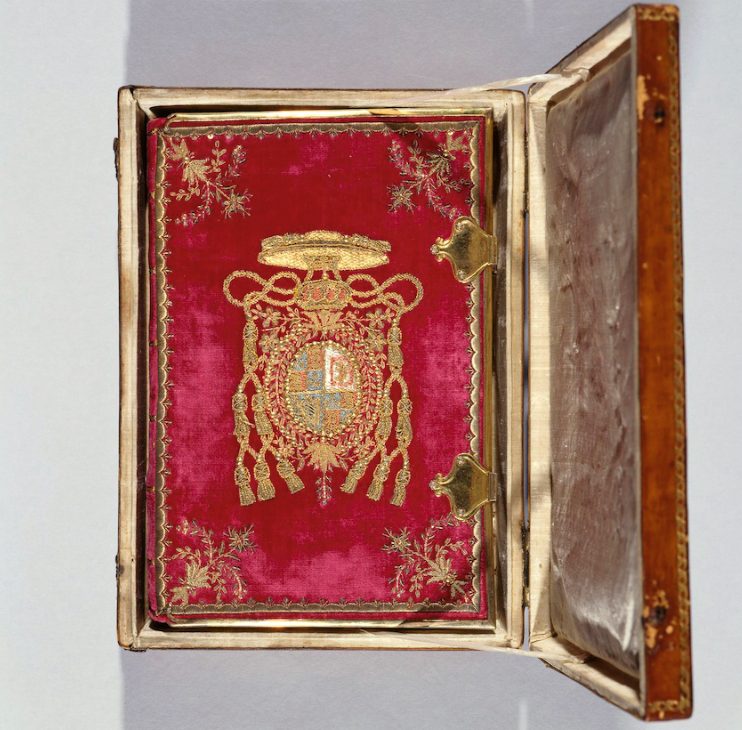
Bonnie Prince Charlie and the Jacobites National Museum of Scotland, Edinburgh, until November 12 Bonnie Prince Charlie, born in exile in Rome in 1720 and buried there in 1788, spent a mere 14 months in Scotland: in 1745-6 and a brief clandestine return visit in 1750. However, he left behind legends and a true legacy of history and Catholicism. This fascinating exhibition provides a comprehensive narrative exploring the lives and events of the Jacobites and their attempts to reinstate the deposed Catholic Stuart king James II and his heirs to the throne after his exile to France. Exhibits are drawn from public and private collections across Britain, France, Italy and the Vatican, forming the largest exhibition of the Jacobite era for decades. The exhibition is based on the five Jacobite challenges to the throne, culminating in the doomed 1745 campaign and its bloody end at Culloden, and Charlie’s famous escape to the Isle of Skye. Entering the exhibition to airs of the Skye Boat Song, visitors may feel they have fallen into a timeshift like the heroine of television’s Outlander. What is important here is the visual: Jacobitism reflected the human passions of the Scottish enlightenment, more than its rationalist side. Objects on display include paintings, costumes, jewellery, documents, weapons and glassware. They illustrate the secrecy of Jacobite allegiance, the depth of feeling for a fading notion of royalty and their material culture. Most striking is a gold Communion set encrusted with diamonds, belonging to Charlie’s younger brother Henry, who became a cardinal. Part of this is the York Chalice on loan from the Vatican collection, which has never left Rome before. Also exhibited is a tartan frock coat said to have belonged to Charlie. Other highlights are weapons and shields used in the Battle of Culloden, the official order for the massacre of the MacDonalds at Glencoe, a Gaelic Bible, an execution block and marble grave markers. Most touching is a letter by Charlie, aged eight, apologising to his father for upsetting his mother. An impressive collection of Jacobite portraits starts with the familiar John Pettie, a Victorian romantic portrait of Charlie entering the ballroom of the Palace of Holyroodhouse, and includes a towering portrayal of James II, a striking portrait of Flora MacDonald and a sketch of a forlorn-looking Charlie in his mid-50s. The exhibition wonderfully captures the breadth of the rebellion, the depth of Catholic feeling, and how close Scotland came to changing the course of religious history.
1:00 PM
Fine art: The beautiful remains of a shattered dream
Dr David Cowan

3 min read



Already a subscriber? Sign in
5freearticles every month
Continue reading with a free account. No card needed.
- Five free articles every thirty days, on any device you sign in on
- The Catholic Herald newsletter, every morning
- Subscribe whenever you like for everything: every article and the magazine
Related articles
 Newsroom
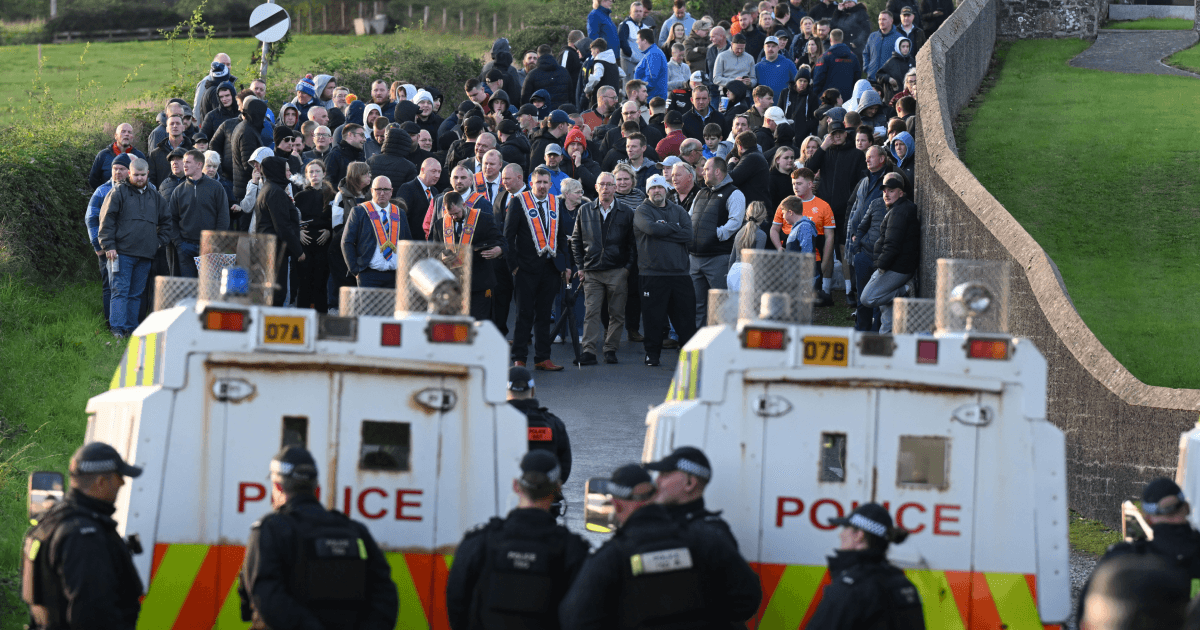
Church leaders urge Drumcree dialogue: ‘Too much is at stake’
The Catholic and Church of Ireland Archbishops of Armagh have urged a renewed commitment to peace and reconciliation amid the Drumcree stand-off
Corrie Douglas-Young Newsroom
Thousands of Irish children to join global Rosary campaign
Corrie Douglas-Young Newsroom
TikTok priest urges young people to stand with persecuted Christians
Nathalie Raffray Newsroom
Baby born at 25 weeks reunites with neonatologist two years after leaving hospital
The Catholic Herald Newsroom
Joe Biden honoured by Planned Parenthood after defending abortion rights
Christine Rousselle
subscribe to the catholic herald today
Our best content is exclusively available to our subscribers. Subscribe today and gain instant access to expert analysis, in-depth articles, and thought-provoking insights—anytime, anywhere. Don’t miss out on the conversations that matter most.
Subscribe



