




Paul Cézanne was a stickler for tradition. As John Elderfield, the curator of the absorbing exhibition Cézanne Portraits at the National Portrait Gallery, points out in the catalogue, the painter was “highly suspicious of modernisation, famously complaining about the introduction of street lighting in Marseilles because it spoiled the twilight”. Conservative Cézanne certainly was, yet here was an artist who illuminated painting as brightly as the blazing lamps of Marseilles lit up the city streets. He rerouted his art so comprehensively, so conclusively, that there could be no going back, no switching him off. The early portraits of his maternal uncle Dominique, of which there are six in the present exhibition, are painted in what appears at first to be a rush of over-excitement (a thought encouraged by his first, and distinctly alarming, Self-Portrait from circa 1862-64). But as a famous conductor once remarked, if a performer shows no signs of excessive emotion in their youth what will be left for them to work with in their later years? Cézanne’s career over the next 30 years or so became an exercise in paring down that display of youthful turmoil. One of the joys of his later brushwork is its pace, determined by the drop-by-drop distillation of thought into paint. Not a single stroke is rashly or thoughtlessly placed. Every mark is deliberated over. That is why quite a few of the portraits, if not unfinished, have the appearance of being interrupted. His conversation with the sitter, it seems, is never quite concluded. Hence the large number of portraits of Hortense Fiquet, his companion of 15 years before they married in 1886. Cézanne, we are told, painted Hortense 28 or 29 times. His portraits of her dominate this exhibition, not so much because of their number – over a dozen – but because they speak so directly about the breadth of Cézanne’s ambition. He famously wanted his art to be like the art of museums. It was no idle ambition; he was after grandeur, but a grandeur fit for his own time and place. In the early 1860s Manet had taken on the grandeur of the old masters and triumphed, with works such as Le Déjeuner sur l’herbe or Olympia, but in retrospect was he scoring rather easy points? Cézanne moved towards his goal in subtler ways. Unlike Manet, he wasn’t laying down a challenge to the past. Rather, he was acknowledging the authority of the old masters. He wanted that authority for himself but on his own terms. Nothing in Cézanne is imitation. He is a brutally honest painter which is why some people find the many portraits of Hortense off-putting. Yet look at them carefully and you will be struck by the attentiveness, the tenderness, by the often surprising patches and dabs of colour that light up the smooth oval of her face. The painting of her mouth is particularly striking: at times the brush barely describes the shape of the lips; at others, one corner is deliberately smudged. The result is a mobility of expression that hovers over the whole portrait, proving that in Cézanne’s hands the tiniest mark can have the most dramatic consequences. In the magnificent Boy in a Red Waistcoat (1888-90), the mouth is very lightly sketched, drawn with the merest wisp of grey paint, yet it nails something about the youthful sitter that informs the whole painting, a boyish hesitancy that is not easily forgotten. Girl with a Doll (circa 1895), is a whole other story. A late work, it is described here, as elsewhere in the Cézanne literature, as a portrait of a child. It has always struck me as an extraordinarily sad work, pitiful almost, and sure enough it is described in the catalogue as conveying “a grave, almost penitential character”. But that is no answer. To my mind there is nothing childlike about the young sitter. On the contrary, the shorn hair and the doll lying in her lap suggest that we may be looking at a young woman suffering from some form of mental handicap. Whatever the truth of the matter, it is just one more indication that Cézanne’s portraits, far from being the result of impassive detached observation, as is often said, are finely tuned to the sitter’s presence and mood. In terms of art they are monumental; in terms of human perception they leave you wondering. Cézanne Portraits is at the National Portrait Gallery, London, until February 11. Sarah Whitfield is an independent writer and art historian who sits on various authentication committees, including those of René Magritte and Francis Bacon
12:00 PM
Fine art: Why there was no going back for Cézanne
Sarah Whitfield


4 min read



Already a subscriber? Sign in
5freearticles every month
Continue reading with a free account. No card needed.
- Five free articles every thirty days, on any device you sign in on
- The Catholic Herald newsletter, every morning
- Subscribe whenever you like for everything: every article and the magazine
Related articles
 Newsroom
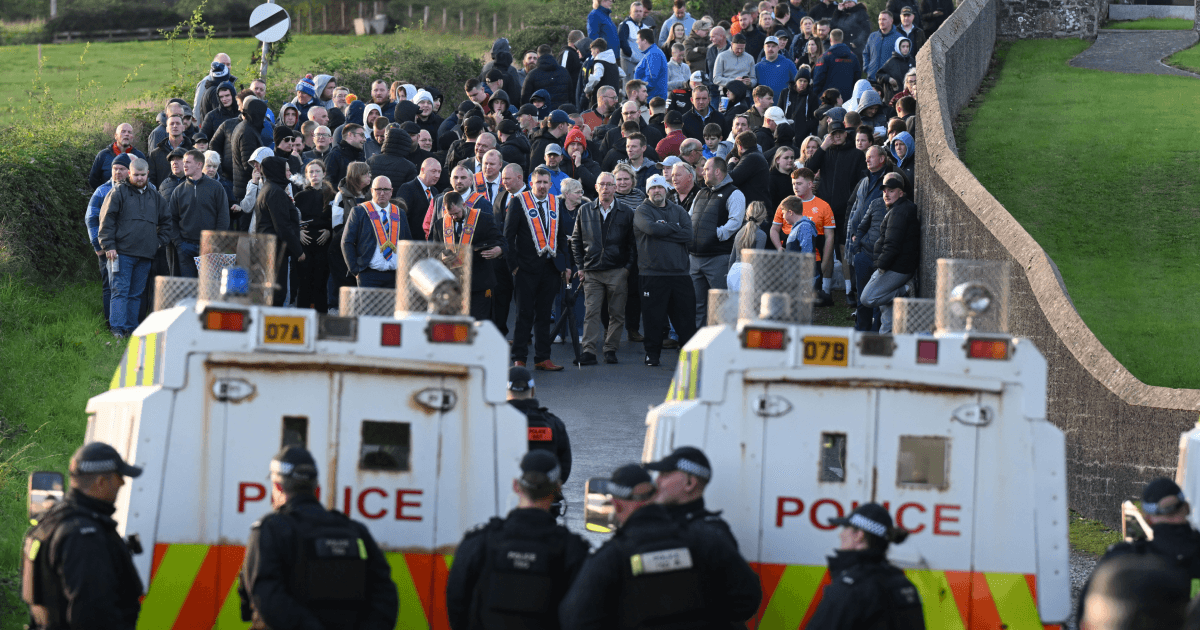
Church leaders urge Drumcree dialogue: ‘Too much is at stake’
The Catholic and Church of Ireland Archbishops of Armagh have urged a renewed commitment to peace and reconciliation amid the Drumcree stand-off
Corrie Douglas-Young Newsroom
Thousands of Irish children to join global Rosary campaign
Corrie Douglas-Young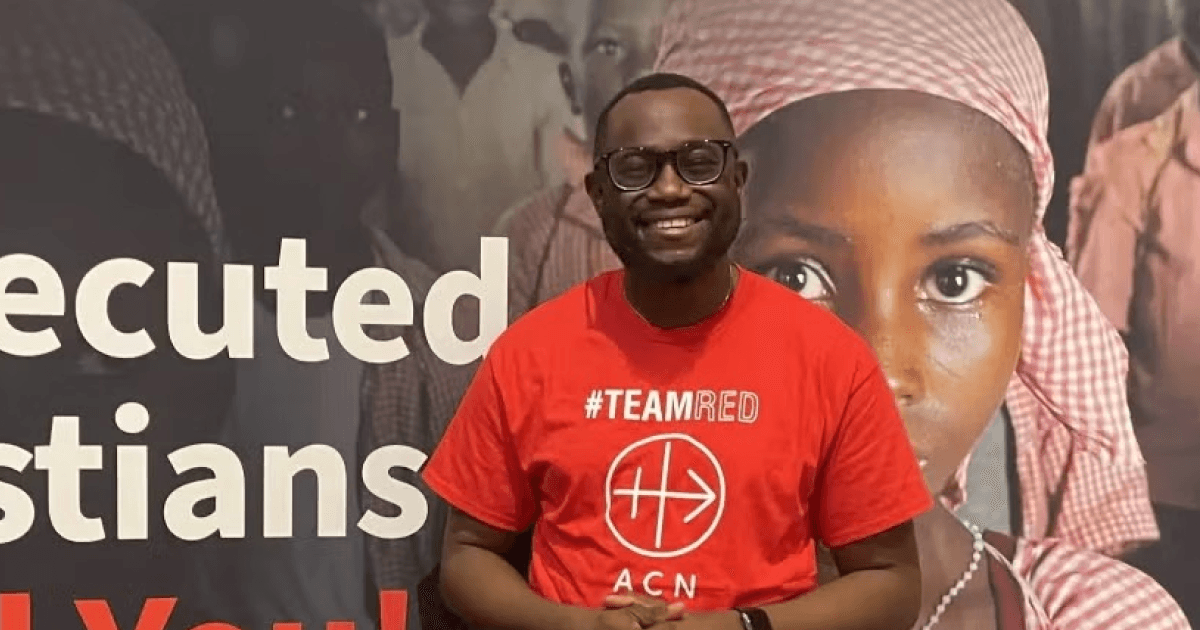 Newsroom
TikTok priest urges young people to stand with persecuted Christians
Nathalie Raffray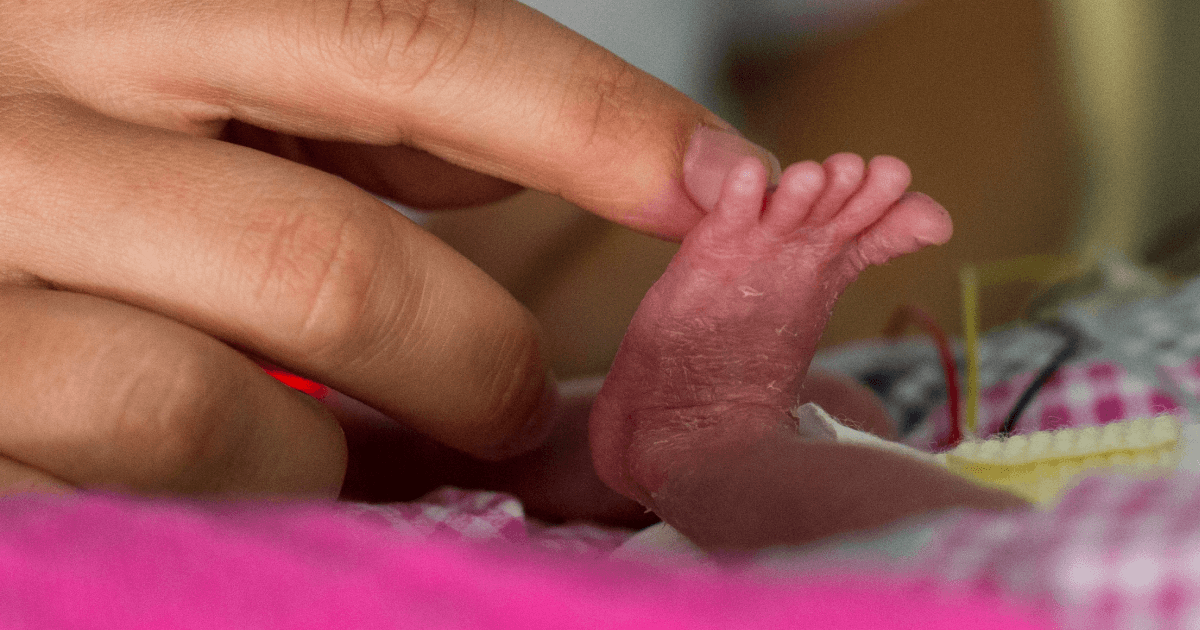 Newsroom
Baby born at 25 weeks reunites with neonatologist two years after leaving hospital
The Catholic Herald Newsroom
Joe Biden honoured by Planned Parenthood after defending abortion rights
Christine Rousselle
subscribe to the catholic herald today
Our best content is exclusively available to our subscribers. Subscribe today and gain instant access to expert analysis, in-depth articles, and thought-provoking insights—anytime, anywhere. Don’t miss out on the conversations that matter most.
Subscribe



