




Five years ago, I took a leap of faith and quit a prominent career in consulting at PwC in London to help Catholic organisations fundraise. Since, I have helped dozens of Catholic Charities and non-profits ignite their missions by improving how they fundraise through appeals, grants, campaigns and individual requests. I am now an independent Catholic fundraiser and passionate about my faith. I run a website, catholicfundraiser.net, where I publish free training material. Faith leaders, non-profit executives, charity workers and friends constantly ask me the same question: “What’s the most efficient way to fundraise in the Catholic world?” They struggle with fundraising, as they tell me that Catholics aren’t willing to donate due to the current economic climate. While some people postulate, for one reason or another, that charitable giving is “on the down”, from my experience, Catholics have always been prepared to give when the request is rooted in people, relationships and mission. In light of my experience, I wish to share five simple steps for leading an active Catholic fundraising programme. Step 1: Clarify your message This first step is paramount and determines the success of everything you do. You should be able to explain clearly, in two to three sentences, what services you provide, who benefits and what the impact is. Try to qualify and quantify this. I recommend asking thirty people outside your organisation to read your message and provide you with feedback about the clarity of your language. You can then adapt your message accordingly. Step 2: Engage with people Good fundraising builds good relationships. Great fundraising builds great relationships. I recommend that each member of your organisation connects with people every day. Your team does not have to ask people for donations. They simply have to speak about your message and ask people to join your contact list. Your colleagues should discover what people are passionate about, what they hope for, what their struggles are, how they see the world and what you as an organisation can do to help them. With this information, you can find ways to give, such as better services, free resources and relevant events to those in your network. Step 3: Identify who values your message and mission As you build relationships, it is important that you keep track of them. We tend to forget things quickly, especially whom we have met and what they said. Therefore, have a system in place for maintaining this information. Make notes of how people value you, noting down which supportive actions they are most interested in: prayer, connecting you with other people, volunteering or donating. Step 4: Ask people to donate If you are perfecting the first three steps, you will know whom to ask. Focus your time on making requests to people who have shown interest in donating rather than sending blanket emails, letters and phone messages to everyone. This fine-tuned method produces the best outcomes for two reasons. One, you avoid bothering those individuals who are not interested in being asked. Plus, you are more productive with your time and reduce your stress levels. Step 5: Seek continuous feedback I recommend you seek feedback from people about your work. Maintaining this communication is the hallmark of an excellent Catholic organisation. It is important to know what people think of your team, whether they have something positive or negative to say about what you do. You can then review whether you are still communicating clearly (Step 1). You will also know what needs adjusting when engaging with people (Step 2), thereby allowing you to carry out steps three and four more efficiently. Send email surveys out periodically and also seek feedback at events and via personal conversations. I recommend these five steps for fundraising effectively as a Catholic organisation.
12:09 PM
Five simple steps to effective Catholic fundraising
I have helped dozens of Catholic Charities and non-profits ignite their missions by improving how they fundraise
Brice Sokolowski
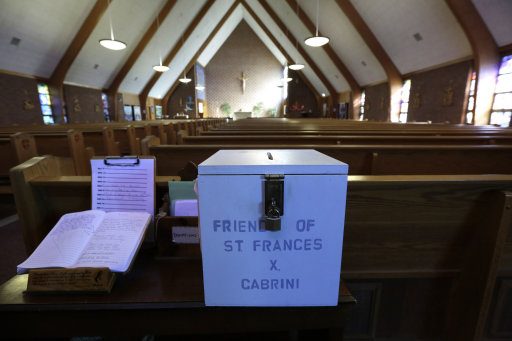

4 min read



Already a subscriber? Sign in
5freearticles every month
Continue reading with a free account. No card needed.
- Five free articles every thirty days, on any device you sign in on
- The Catholic Herald newsletter, every morning
- Subscribe whenever you like for everything: every article and the magazine
Related articles
 Newsroom
Church leaders urge Drumcree dialogue: ‘Too much is at stake’
The Catholic and Church of Ireland Archbishops of Armagh have urged a renewed commitment to peace and reconciliation amid the Drumcree stand-off
Corrie Douglas-Young Newsroom
Thousands of Irish children to join global Rosary campaign
Corrie Douglas-Young Newsroom
TikTok priest urges young people to stand with persecuted Christians
Nathalie Raffray Newsroom
Baby born at 25 weeks reunites with neonatologist two years after leaving hospital
The Catholic Herald Newsroom
Joe Biden honoured by Planned Parenthood after defending abortion rights
Christine Rousselle
subscribe to the catholic herald today
Our best content is exclusively available to our subscribers. Subscribe today and gain instant access to expert analysis, in-depth articles, and thought-provoking insights—anytime, anywhere. Don’t miss out on the conversations that matter most.
Subscribe



