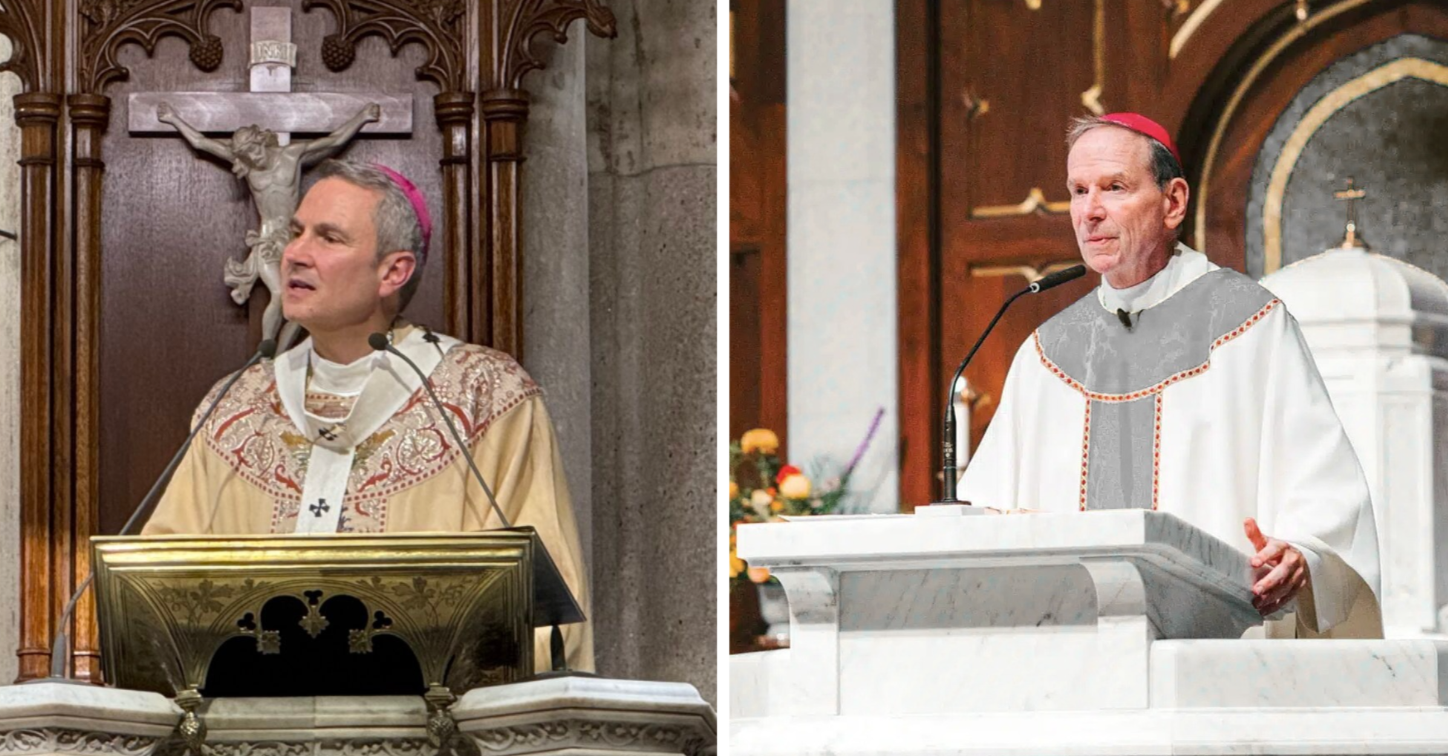
Florida's Catholic bishops issued a pastoral letter on 27 July reminding Catholics that the Church opposes the use of the death penalty and encouraging the faithful to remember that every human being, including those accused or convicted of heinous crimes, possesses inherent dignity.
"We wish to remind Catholics of the teaching of our Church against the use of the death penalty in situations—like our own—where bloodless means are sufficient to punish offenders and protect public safety," the bishops wrote.
The letter, titled A Pastoral Letter on the Death Penalty in Florida, was signed by each of Florida's eight active bishops and published on the eve of the state's first double execution since 1964. The bishops had previously urged Gov. Ron DeSantis, who is Catholic, to commute the men's sentences to life imprisonment.
"The record number of executions in Florida last year, and the increased pace at which they continue to be carried out, call for a response," the bishops wrote. In 2025, Florida executed 19 people, accounting for about 40 per cent of all executions carried out in the United States.
That figure, the bishops said, "more than doubled the previous record and was at least four times higher than any other state in the nation."
In addition to the pace of executions, the bishops expressed concern over recent changes to Florida's capital punishment laws. Under current law, a unanimous jury recommendation is no longer required before a death sentence may be imposed, and Florida's threshold of eight out of 12 jurors is the lowest in the United States, the bishops noted.
Modern prison systems, they said, are capable of protecting public safety, meaning there is "no morally legitimate purpose" in carrying out executions.
"Indeed, its continued application then becomes morally detrimental to the society in which it is applied," they wrote.
Opposition to the death penalty, the bishops said, "is in no way a denial of justice for the victims, or disregard for the deep pain, grief, and anguish of their loved ones". They added that they "share both the sense of horror and outrage at the terrible crimes and heinous acts of violence committed in many of these capital cases, and deep sympathy and compassion for the loved ones of the victims who are experiencing unspeakable grief, pain, and loss".
Those responsible for such crimes should be brought to justice, the bishops wrote, "but we disagree that justice is best served by yet another act of killing. The alternative in Florida law to capital punishment is not letting offenders go free; it is life imprisonment without the possibility of parole."
The death penalty, they continued, "promotes a culture of death by declaring that we can improve society by bringing about the death of a human being in our names".
"In the end, while supporters of capital punishment—who may consider themselves pro-life—claim that it serves a presumed good of justice for the victims and their loved ones, it comes at a much greater expense to the common good of society, and our common humanity," the bishops wrote.
"Instead, as with Jesus' reinterpretation of the lex talionis in the context of his Sermon on the Mount, we are called to a higher justice as Christians and a better justice as human beings for our common good and dignity."