


February 12, 2026

French Catholics find unlikely allies in the fight against IVF

Samuel Gregg
More
Related
Min read
share

In recent years some of the most contentious debates in France have concerned what are conventionally called “social issues”. Changes to France’s marriage laws in 2013 produced mass opposition from across the political spectrum. This year, l’affaire Vincent Lambert sparked heated debate about whether the government was trying to legalise euthanasia by stealth.

It’s in this context that revisions to France’s bioethics laws were presented on July 24 to the government for its consideration. The same day, no less than 20 prominent lobby groups and associations, such as Juristes pour l’enfance (Lawyers for Children) and Manif pour tous (The Protest for Everyone), announced rallies to oppose specific amendments.
There is particular opposition to allowing same-sex female couples to access IVF. The objections are threefold. One is that permitting these couples to use IVF would deny any resulting children the prospect of having a real father. A second concerns the proposal to legally ground such children’s paternity on two women’s expressed desire to have a child. This, critics maintain, will enshrine into law the formal separation of parenthood from biological reality, thereby reducing parenthood to a contract. Lastly, the suggested elimination of a diagnosis of medical infertility as a prerequisite for accessing IVF, it is suggested, will inevitably change IVF from being a response to a medical problem to the manufacturing of children as a consumer item.

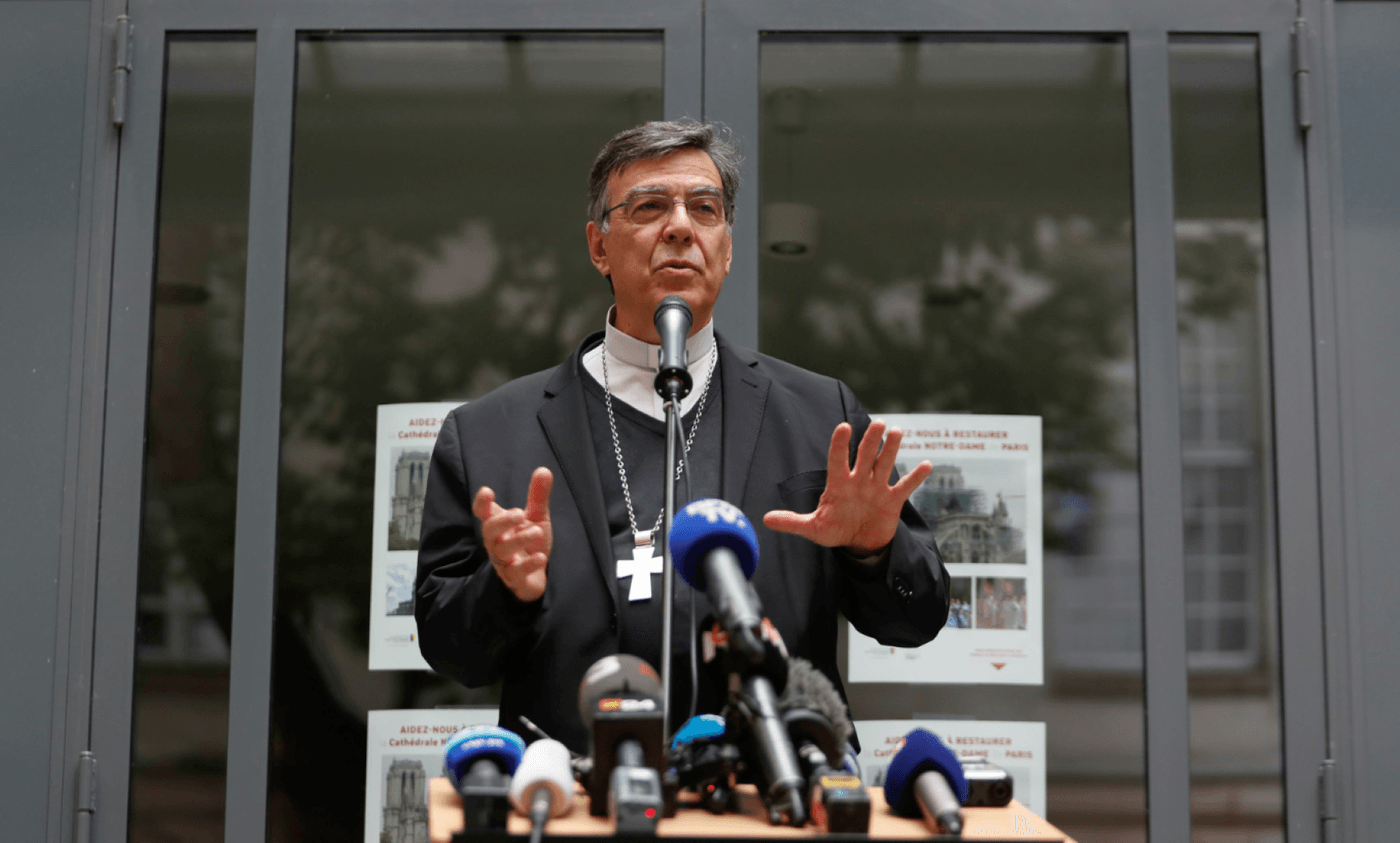
Not surprisingly, Catholics are playing a prominent role in the opposition. Two of the country’s most visible and articulate bishops, Archbishop Michel Aupetit of Paris (a medical doctor by training who possesses advanced bioethics degrees) and Archbishop Éric de Moulins-Beaufort (president of the French bishops’ conference) have already expressed pointed criticisms.

Yet opposition is also coming from Jews, Muslims, Protestants and many secular-minded people from quite different political backgrounds. What they share are growing concerns about how these changes will affect children, and the ongoing use of state power to undermine what they call the family’s natural ecology.

These fears resonate far outside the world of “les cathos”. That’s partly because of a deep attachment throughout France to the view that children need a father and mother. This was one reason why so many otherwise indifferent French citizens publicly opposed the legalisation of same-sex marriage.

But another factor is the skilful recourse to ecological language by opponents of the suggested amendments. This resonates in a country in which, for instance, genetic modification of plants is often viewed as akin to a Frankenstein-like enterprise. If you oppose upsetting plants’ natural ecology, the argument goes, you should oppose disrupting humanity’s natural ecology.

Will the projected changes become law? It’s too soon to say. What is clear is that socio-cultural issues are not disappearing as a fracture in a France once considered relatively indifferent to such matters.

In recent years some of the most contentious debates in France have concerned what are conventionally called “social issues”. Changes to France’s marriage laws in 2013 produced mass opposition from across the political spectrum. This year, l’affaire Vincent Lambert sparked heated debate about whether the government was trying to legalise euthanasia by stealth.

It’s in this context that revisions to France’s bioethics laws were presented on July 24 to the government for its consideration. The same day, no less than 20 prominent lobby groups and associations, such as Juristes pour l’enfance (Lawyers for Children) and Manif pour tous (The Protest for Everyone), announced rallies to oppose specific amendments.
There is particular opposition to allowing same-sex female couples to access IVF. The objections are threefold. One is that permitting these couples to use IVF would deny any resulting children the prospect of having a real father. A second concerns the proposal to legally ground such children’s paternity on two women’s expressed desire to have a child. This, critics maintain, will enshrine into law the formal separation of parenthood from biological reality, thereby reducing parenthood to a contract. Lastly, the suggested elimination of a diagnosis of medical infertility as a prerequisite for accessing IVF, it is suggested, will inevitably change IVF from being a response to a medical problem to the manufacturing of children as a consumer item.

Not surprisingly, Catholics are playing a prominent role in the opposition. Two of the country’s most visible and articulate bishops, Archbishop Michel Aupetit of Paris (a medical doctor by training who possesses advanced bioethics degrees) and Archbishop Éric de Moulins-Beaufort (president of the French bishops’ conference) have already expressed pointed criticisms.

Yet opposition is also coming from Jews, Muslims, Protestants and many secular-minded people from quite different political backgrounds. What they share are growing concerns about how these changes will affect children, and the ongoing use of state power to undermine what they call the family’s natural ecology.

These fears resonate far outside the world of “les cathos”. That’s partly because of a deep attachment throughout France to the view that children need a father and mother. This was one reason why so many otherwise indifferent French citizens publicly opposed the legalisation of same-sex marriage.

But another factor is the skilful recourse to ecological language by opponents of the suggested amendments. This resonates in a country in which, for instance, genetic modification of plants is often viewed as akin to a Frankenstein-like enterprise. If you oppose upsetting plants’ natural ecology, the argument goes, you should oppose disrupting humanity’s natural ecology.

Will the projected changes become law? It’s too soon to say. What is clear is that socio-cultural issues are not disappearing as a fracture in a France once considered relatively indifferent to such matters.

subscribe to
the catholic herald

Continue reading your article with a subscription.
Read 5 articles with our free plan.
Subscribe

subscribe to the catholic herald today

Our best content is exclusively available to our subscribers. Subscribe today and gain instant access to expert analysis, in-depth articles, and thought-provoking insights—anytime, anywhere. Don’t miss out on the conversations that matter most.
Subscribe