

The Diocese of Peoria has released the official programme for the beatification of Archbishop Fulton J. Sheen, scheduled for September 24 in St Louis, marking a milestone for the Catholic Church in the United States and drawing expected pilgrims from across North America. The multi-day observances will honour a priest and bishop whose influence on religious broadcasting and public preaching made him one of the most recognisable Catholic figures of the 20th century.
The beatification Mass will take place at The Dome at America’s Center in St Louis, with preparatory and concluding events held in Peoria, where Fulton J. Sheen was ordained in 1919 and later served as bishop. According to Louis Tylka, the programme has been designed as a spiritual pilgrimage centred on prayer, catechesis and public devotion rather than a single ceremony.
Events will begin on September 20 with a commemorative Mass marking the anniversary of Sheen’s ordination at the Cathedral of St Mary in Peoria. Vespers will follow on September 23 at the Cathedral Basilica of St Louis, with the beatification Mass itself on September 24. Before the ceremony, the faithful will be able to participate in Eucharistic adoration and Confession, longstanding practices in Catholic preparation for major liturgical celebrations. After the Mass, a relic associated with the future Blessed will be available for public veneration, a custom rooted in early Christian reverence for the remains of martyrs and saints.
The decision to hold the central ceremony in St Louis reflects both capacity and precedent. The Dome venue can accommodate approximately 100,000 people, significantly more than any church building in Peoria, and it has previously hosted large-scale Catholic gatherings, including a public liturgy celebrated during the pastoral visit of John Paul II in 1999. Organisers have noted that St Louis is also within driving distance of Peoria, allowing participation from local communities closely associated with Sheen’s life and ministry.
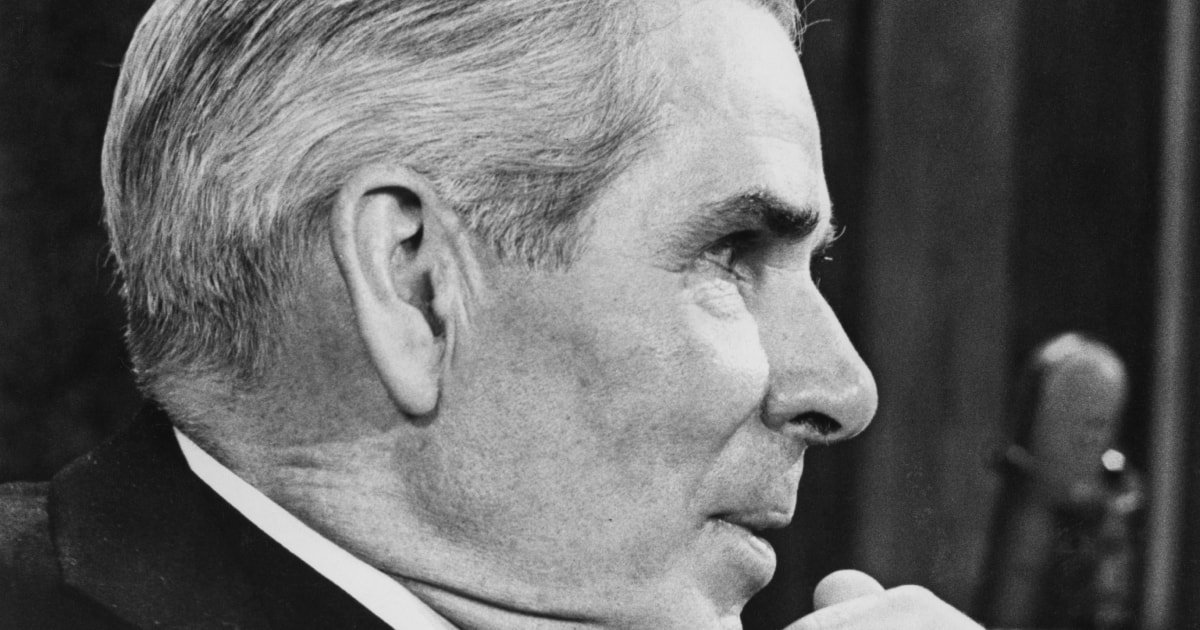
Archbishop Sheen’s national prominence developed during the rise of mass media in the mid-20th century. Beginning in 1930, his weekly radio programme The Catholic Hour introduced millions of Americans to Catholic teaching at a time when radio ownership was rapidly expanding. His later television series Life Is Worth Living, first broadcast in 1951, became one of the most widely watched religious programmes in American history. Contemporary audience estimates placed viewership in the tens of millions, and in 1952 he received an Emmy Award for Most Outstanding Television Personality, an unusual distinction for a Catholic cleric and evidence of his broad cultural reach.
Accounts from colleagues describe a personal discipline that accompanied his public success. Sheen frequently spoke about his daily commitment to spending an hour in Eucharistic prayer, a practice he maintained throughout his priesthood and episcopal ministry. In lectures to seminarians, he often credited that routine with sustaining him during years of demanding travel and broadcasting schedules, a message that later became a defining element of his spiritual legacy.
Several widely circulated anecdotes from his career illustrate his style of pastoral engagement. During the early Cold War period, he delivered public addresses warning against the dangers of communism, reflecting concerns shared by many religious leaders in Europe and North America after the Second World War. In another instance often recalled in Catholic biographies, he used a simple chalkboard diagram on television to explain moral theology to viewers unfamiliar with formal religious education, demonstrating his emphasis on clarity and accessibility in teaching.
His influence extended beyond broadcasting into missionary and charitable work. In the 1950s, while serving as national director of the Society for the Propagation of the Faith, he helped coordinate fundraising campaigns that supported Catholic schools, clinics and parishes in developing regions. Historical records from the organisation show substantial increases in donations during his tenure, reflecting the effectiveness of his communication skills and national visibility. Noted for his piety and theological clarity, potential concern does however remain surrounding his fondness for heterodox thinker Pierre Teilhard de Chardin.
The beatification follows the Catholic Church’s formal process for recognising holiness, which includes a detailed examination of a candidate’s life, writings and reputation for virtue. In Sheen’s case, the cause has been under study for several decades, reflecting both his prominence and the need for careful historical review. The ceremony will formally declare him “Blessed”, the step immediately preceding canonisation as a saint.
Following the beatification Mass, celebrations will return to Peoria for thanksgiving liturgies, public lectures and parish gatherings scheduled for September 25 and 26, concluding with a Byzantine-rite Mass at the Cathedral of St Mary. Church leaders have also encouraged the faithful to observe a nine-day novena beginning on September 15, a devotional practice traditionally associated with preparation for significant religious events.
For many American Catholics, the forthcoming ceremony represents recognition of a figure who helped shape religious communication in the modern era. Historians frequently describe Archbishop Sheen as among the first clergy to harness national media effectively for evangelisation, setting patterns that later influenced Catholic broadcasting, educational outreach and public preaching across the world.