

The Latin Patriarchate of Jerusalem has lodged a formal complaint with Israeli authorities over alleged settler encroachments on Church-owned land in the northern West Bank, warning that the protection of ecclesiastical property is a “red line” and confirming that legal action is under way. The intervention follows a field meeting on April 23 involving Church officials and Israeli civil and military representatives in the Tayasir and Hamam Il-Maleh areas of the Tubas Governorate.
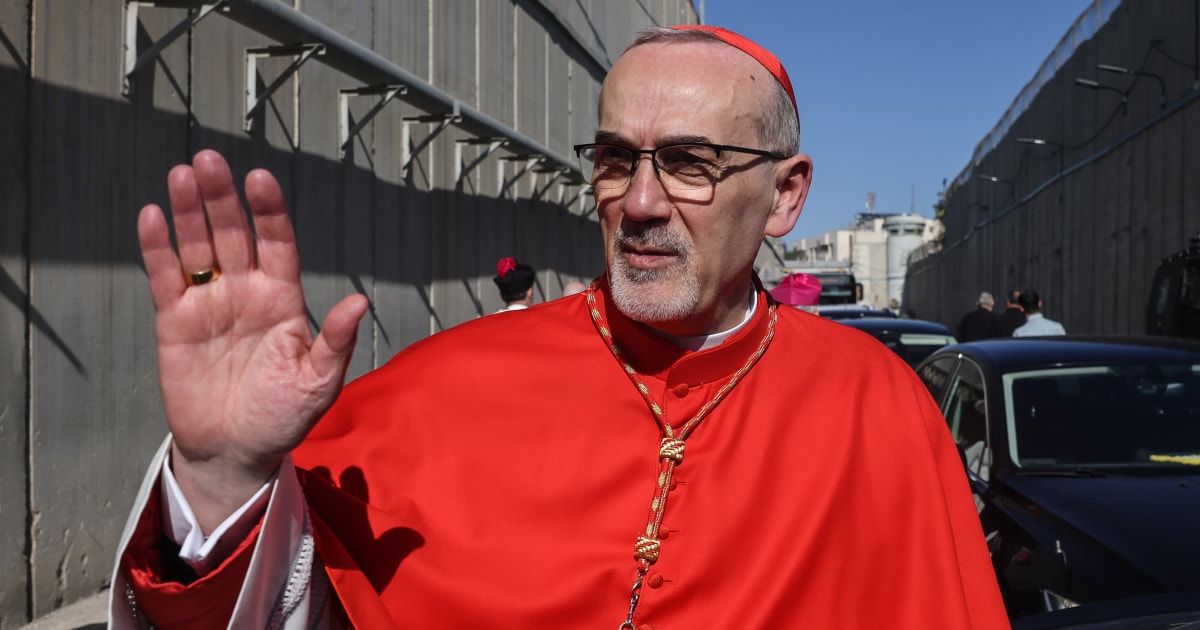
The action was taken under the authority of Cardinal Pierbattista Pizzaballa, Latin Patriarch of Jerusalem, who was briefed on the developments and instructed officials to pursue the matter and provide support to affected residents.

According to the Patriarchate, its Endowment Department convened the field meeting with representatives of the Israeli Military Authorities and the Civil Administration to address what it described as the “serious effects” of recent encroachments on land owned by the Church in the Tayasir area. The meeting formed part of an ongoing legal process following what Church officials characterised as damage to agricultural land and disruption to local communities.
As part of that process, the Patriarchate submitted what it described as an “official and documented complaint” detailing incidents affecting both Church property and nearby residents across several locations. Following the submission, authorities reportedly initiated measures including pursuing those responsible and seizing heavy machinery allegedly used in land clearing and damage at the site.
During the discussions, the Patriarchate formally rejected the actions in question, describing them as “a clear violation of Church properties”, and called for the immediate removal of all damage, the prevention of further intrusions, and the provision of legal protection for Church lands. Representatives of the relevant authorities acknowledged the seriousness of the matter and committed to removing the encroachments and continuing legal proceedings against those involved.
The Patriarchate also reiterated its pastoral and humanitarian commitment to residents in the affected area, stating that it would continue to support families in remaining on their land and living in security. The statement said the Church remains dedicated to helping local people “remain steadfast, protect their dignity, and live in safety and stability”, in keeping with its long-standing mission in the region.
Church officials emphasised that safeguarding ecclesiastical property is both a legal and religious responsibility. The Endowment Department stated that protecting Church endowment lands is a “red line” and affirmed that all necessary legal and administrative steps would be taken to defend what it described as the lawful rights and identity of Church property while continuing to serve local communities.
Land ownership by Christian institutions in the Holy Land has deep historical roots, with the Catholic Church and other denominations maintaining extensive holdings used for worship, education, agriculture and social services. The Latin Patriarchate alone operates dozens of schools, parishes and charitable programmes serving Christian and Muslim populations across Israel, the West Bank, Jordan and Gaza.
The dispute arises within the broader context of longstanding tensions over land use and settlement activity in territory captured by Israel during the Six-Day War, an issue that continues to carry legal, political and humanitarian implications for local communities. Christian leaders have repeatedly warned that pressure on land ownership and security contributes to the gradual decline of the Christian population in the region, making the protection of Church property a matter of both religious presence and social stability.


.jpg)