

Pope Leo XIV has marked the 40th anniversary of the Chernobyl nuclear disaster by urging the responsible use of atomic energy, describing the 1986 accident as an enduring warning about the risks of powerful technologies. Speaking after the Regina Caeli on April 26, 2026, the Pope remembered the victims and called for discernment at every level of decision-making so that nuclear power serves “life and peace”.
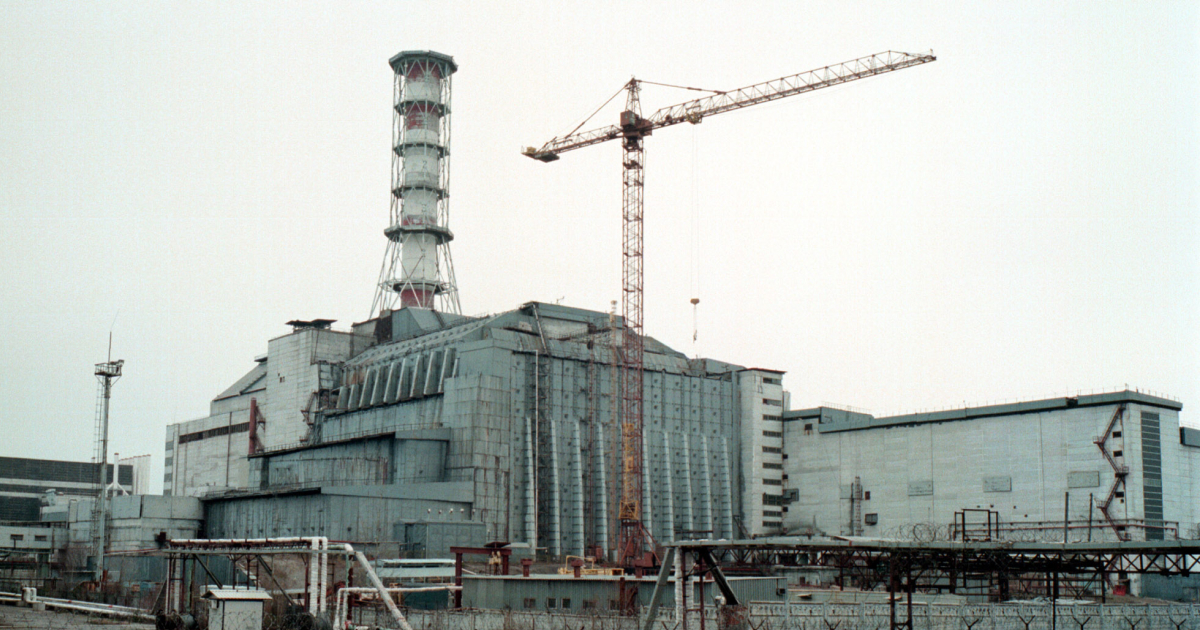
The explosion at reactor four of the Chernobyl nuclear power plant in northern Ukraine, then part of the Soviet Union, occurred in the early hours of April 26, 1986, during a failed safety test. It remains the world’s worst civilian nuclear accident, rated level 7 – the highest severity – on the International Atomic Energy Agency’s International Nuclear and Radiological Event Scale, alongside the 2011 Fukushima disaster in Japan.
Initial deaths numbered around 30, including plant workers and firefighters who died from acute radiation syndrome in the days and weeks that followed. Thousands more suffered long-term health effects, particularly thyroid cancer among those exposed as children, with United Nations assessments estimating up to 4,000 eventual radiation-related deaths among the most exposed populations in Ukraine, Belarus and Russia.
“Today marks the 40th anniversary of the tragic incident in Chernobyl, which left a lasting mark on the conscience of humanity,” Pope Leo XIV said. He added that the disaster “serves as a warning regarding the inherent risks of using increasingly powerful technologies”.
The Pontiff entrusted “those who died and all who still suffer from the aftermath of the disaster to God’s mercy” and expressed the hope “that discernment and responsibility will always prevail at every level of decision-making so that all use of atomic energy may be placed at the service of life and peace”.
The Chernobyl site, now within Ukraine’s territory, continues to require extensive management, including the giant protective arch known as the New Safe Confinement, completed in 2016. Commemorations this year occurred against the backdrop of ongoing conflict in the region.
Pope Leo XIV, who chose his papal name in reference to Pope Leo XIII and his landmark 1891 encyclical Rerum novarum on the social upheavals of the Industrial Revolution, has repeatedly drawn parallels between that era’s technological changes and today’s developments, including artificial intelligence. In his first major address to the College of Cardinals shortly after his election in May 2025, he highlighted the Church’s social teaching as a resource for addressing new ethical challenges posed by modern technology.
His remarks on Sunday framed the Chernobyl anniversary within this broader concern for ensuring that human innovation remains orientated towards the common good.