



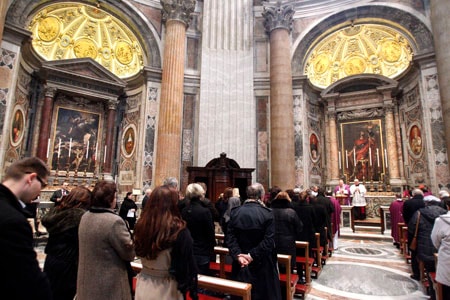
A priest in County Cork has caused ripples by deploring the nature of some of the gifts brought to the altar during a funeral Mass. These, says Fr Tomás Walsh, have included beer, cigarettes, a football jersey, a television remote control and even a packet of detergent. He says this isn’t appropriate or respectful. He has also deplored the way that some eulogies to the departed are so lengthy. The ecclesiastical authorities frown on these embellishments of the traditional Requiem Mass, although in my experience the regulations are seldom implemented rigidly, out of sensitivity and tolerance. Personally, I am entirely in line with the ecclesiastical authorities, and when I depart this world, I want a straightforward, spiritual and lofty Requiem Mass, along with hymns in which everyone can join in. I would (literally) be dead embarrassed at the thought of eulogies at my funeral. Please don’t! Most eulogies, in my experience, fall into a category well defined by the Irish word plamás, being a mixture of flattery and eyewash. They seldom represent the complex mixture of the real person, but spout much sentimental nonsense about what a wonderful person he/she was (while down in the pew, those who knew him/her may be having more sceptical thoughts). As for bringing objects representing a person’s life to the altar – well, over my dead body. Some mourners feel impelled to deliver a eulogy, and some priests will think it right to allow that. Some obviously also allow mementos on the coffin. But there’s a dignity and wisdom in conducting a Requiem Mass simply, just according to the rite. For me, keep the eulogies – and jokes – for the wake afterwards.
12:00 AM
Funeral eulogies? Save it for the wake
a priest in county cork has caused ripples by deploring the nature of some of the gifts brought to the altar during a funeral mass. these, s...
Mary Kenny

4 min read



Already a subscriber? Sign in
5freearticles every month
Continue reading with a free account. No card needed.
- Five free articles every thirty days, on any device you sign in on
- The Catholic Herald newsletter, every morning
- Subscribe whenever you like for everything: every article and the magazine

subscribe to the catholic herald today
Our best content is exclusively available to our subscribers. Subscribe today and gain instant access to expert analysis, in-depth articles, and thought-provoking insights—anytime, anywhere. Don’t miss out on the conversations that matter most.
Subscribe



