



Last Sunday Pope Francis revealed what he expects from parishes around the world. Every local Catholic community, he said, must make evangelising the poor a priority. Reflecting on the day’s Gospel reading (Luke 4:14-21), in which Jesus discloses his own mission, he said Christ is determined to reach those “who are farthest away, the suffering, the sick, those who are discarded by society”. Each new generation is called to take up Jesus’s mission to the neglected. “It means being close to them,” Francis said, “having the joy of serving them, freeing them from oppression, and all this in the name of and with the Spirit of Christ, because [Jesus] is the Gospel of God, He is the Mercy of God, He is the liberation of God.” The Pope then asked pointedly: “Are we being faithful to Christ’s programme?” Many parishes could answer that question with a resounding yes. They run soup kitchens, shelters for the homeless or food banks. They visit the elderly and comfort the sick. But Pope Francis wants us to ask: could we be doing more? That is a crucial question and one we could easily evade by shifting attention to the Pope’s more eye-catching gestures and pronouncements. But this, in the end, is how Francis is likely to be remembered: for his energetic attempt to make Catholicism synonymous with service of the poor. We say “attempt” because so far, almost three years into this pontificate, his total commitment to the poor is more admired than imitated. Why are we so quick to applaud his virtue and so reluctant to acquire it? Perhaps because we are convinced that Francis is the spiritual equivalent of an Olympic athlete, while we are just plodders who could never hope to keep up with him. No doubt Francis would be the first to say this is a delusion. After all, he teaches that service of the poor is the calling of all Catholics, not simply the vocation of an elite. Would a renewed commitment to the needy turn the Church into a mere charity? Not at all. Francis has been clear from the first days of his pontificate that the Church must never resemble an NGO, attending to the poor’s material needs while overlooking their spiritual ones. The mission to the poor, he said on Sunday, is not rooted in an ideology, but in a recognition of “the strength of the Gospel of God, who converts hearts, heals the wounded, transforms human and social relationships according to the logic of love”. Francis clearly believes that society will only be renewed through service of the poor. He wants Catholics to be the catalysts of massive social change – rather than reluctant witnesses to it, as we so often are. Catholics of all stripes should be able to rally round this vision. Outsiders often associate care for the poor with liberal Catholicism. But the truth is more complex: there are traditionalist parishes that take service of the poor every bit as seriously as the liturgy. In any case, the superficial distinctions between Catholics fall away when we are standing side by side in soup kitchens or bringing Holy Communion to the housebound together. There is no better way of strengthening Catholic unity – and renewing society – than by adopting out what Francis calls “Christ’s programme”.
11:20 AM
Getting with the programme
Staff writers

5 min read



Already a subscriber? Sign in
5freearticles every month
Continue reading with a free account. No card needed.
- Five free articles every thirty days, on any device you sign in on
- The Catholic Herald newsletter, every morning
- Subscribe whenever you like for everything: every article and the magazine
Related articles
 Newsroom
Church leaders urge Drumcree dialogue: ‘Too much is at stake’
The Catholic and Church of Ireland Archbishops of Armagh have urged a renewed commitment to peace and reconciliation amid the Drumcree stand-off
Corrie Douglas-Young Newsroom
Thousands of Irish children to join global Rosary campaign
Corrie Douglas-Young Newsroom
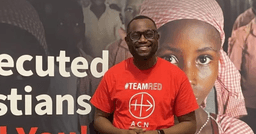
TikTok priest urges young people to stand with persecuted Christians
Nathalie Raffray Newsroom
Baby born at 25 weeks reunites with neonatologist two years after leaving hospital
The Catholic Herald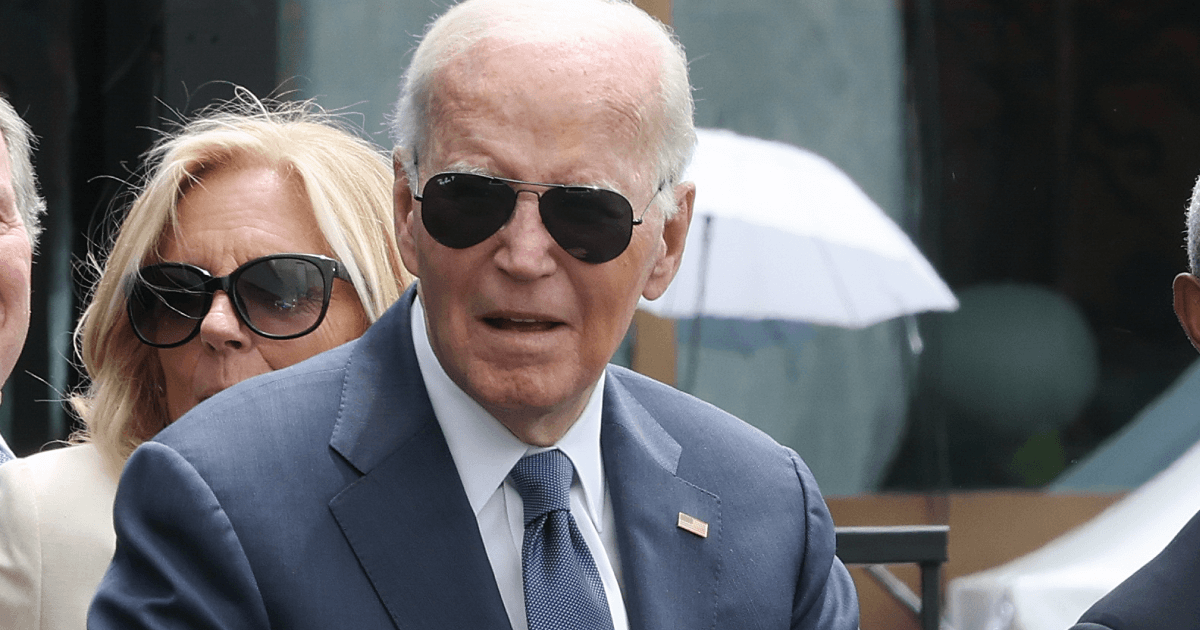 Newsroom
Joe Biden honoured by Planned Parenthood after defending abortion rights
Christine Rousselle
subscribe to the catholic herald today
Our best content is exclusively available to our subscribers. Subscribe today and gain instant access to expert analysis, in-depth articles, and thought-provoking insights—anytime, anywhere. Don’t miss out on the conversations that matter most.
Subscribe



