


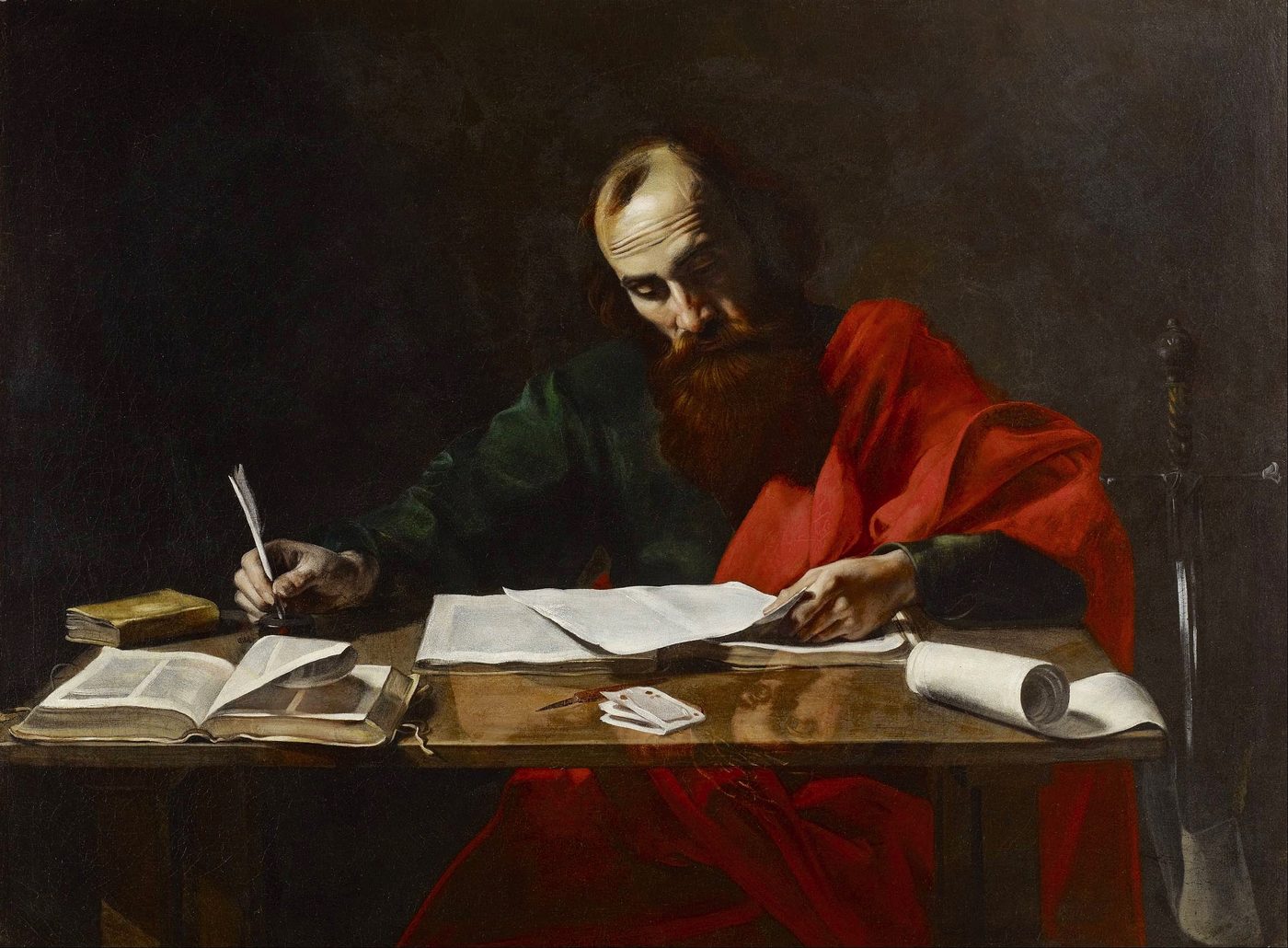
"A prophet is only despised in his own country among his own relations and in his own house.” Jesus spoke these words at the conclusion of his first visit to his own home town. At first there had been admiration at the authority of his teaching. This rapidly changed to open hostility. “This is the carpenter, surely, the son of Mary? And they would not accept him.” At first sight we are shocked that Jesus was not accepted by his own. The words of St John’s prologue spring to mind: “He came to his own, but his own did not accept him.” Sadly, the whole incident reflects one of the least attractive qualities of our fallen nature. There is within us a pride that resists criticism, however well founded. We guard our perceived status, resisting anyone who might outshine us, especially if such a person comes from our own close circle. Such is the poisonous working of sinful pride and jealousy, its closest companion. Once such strong emotions take hold, they stifle all that is best, blinding us to what stands before us. Small wonder that “Jesus could work no miracle there. He was amazed at their lack of faith.” Jesus noted that his rejection at Nazareth mirrored that of the prophets who had gone before him. Ezekiel had been called to confront the pride that had preceded the destruction of Jerusalem, addressing the people as defiant and obstinate: “The Lord says this. Whether they listen or not, this set of rebels shall know that there is a prophet among them.” Like those addressed by the prophet Ezekiel, we frequently ignore the truth about ourselves. In rare moments of honesty, we see ourselves as we truly are. But that moment is often lost as we escape into some vague promise to put things right in the future. We can learn much from St Paul, who acknowledged his own weakness, described as a thorn in the flesh that would not go away. He brought this failing, whatever it was, to the Lord: “I have pleaded with the Lord three times for it to leave me, but he has said: ‘My grace is enough for you: my power is at its best in weakness.’” To ignore our failings is to become their prisoner, with disastrous consequences for ourselves and others. To acknowledge them before God is to know his power in overcoming them: “It is when I am weak that I am strong.” This article first appeared in the latest edition of the Catholic Herald magazine (3/7/15). Take up our special subscription offer – 12 issues currently available for just £12!
11:00 AM
'He came to his own, but his own did not accept him'
The Fourteenth Sunday of the Year, Ez 2:2-5; 2 cor 12:7-10; Mk 6:1-6 (Year B)
Bishop David McGough

3 min read



Already a subscriber? Sign in
5freearticles every month
Continue reading with a free account. No card needed.
- Five free articles every thirty days, on any device you sign in on
- The Catholic Herald newsletter, every morning
- Subscribe whenever you like for everything: every article and the magazine
Related articles
 Newsroom
Church leaders urge Drumcree dialogue: ‘Too much is at stake’
The Catholic and Church of Ireland Archbishops of Armagh have urged a renewed commitment to peace and reconciliation amid the Drumcree stand-off
Corrie Douglas-Young Newsroom
Thousands of Irish children to join global Rosary campaign
Corrie Douglas-Young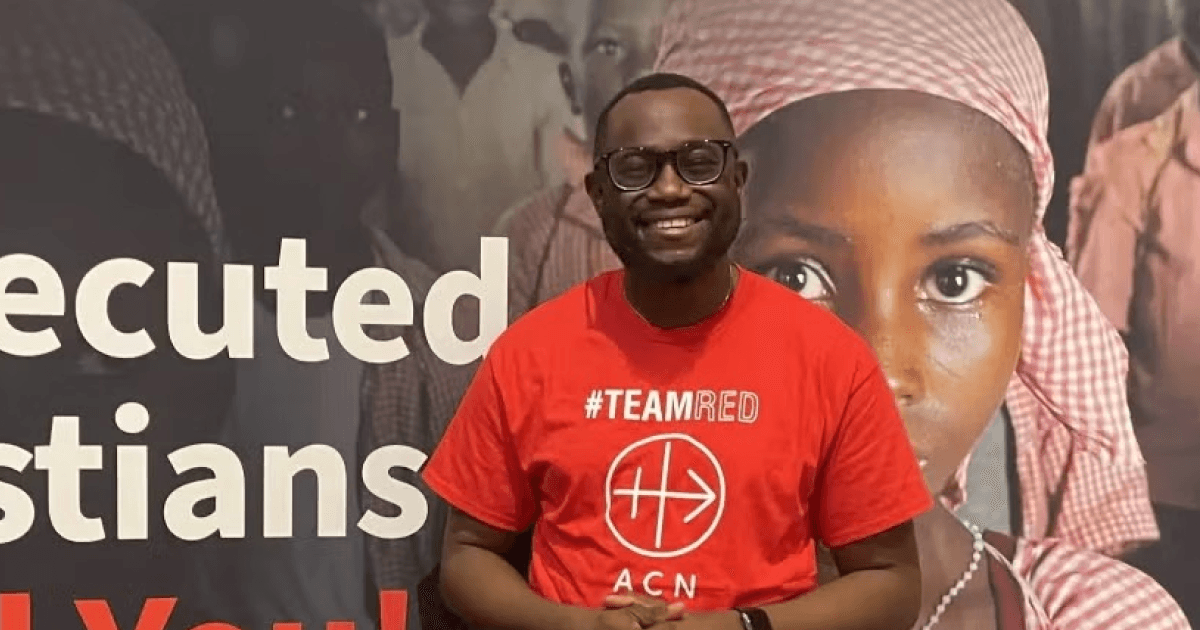 Newsroom
TikTok priest urges young people to stand with persecuted Christians
Nathalie Raffray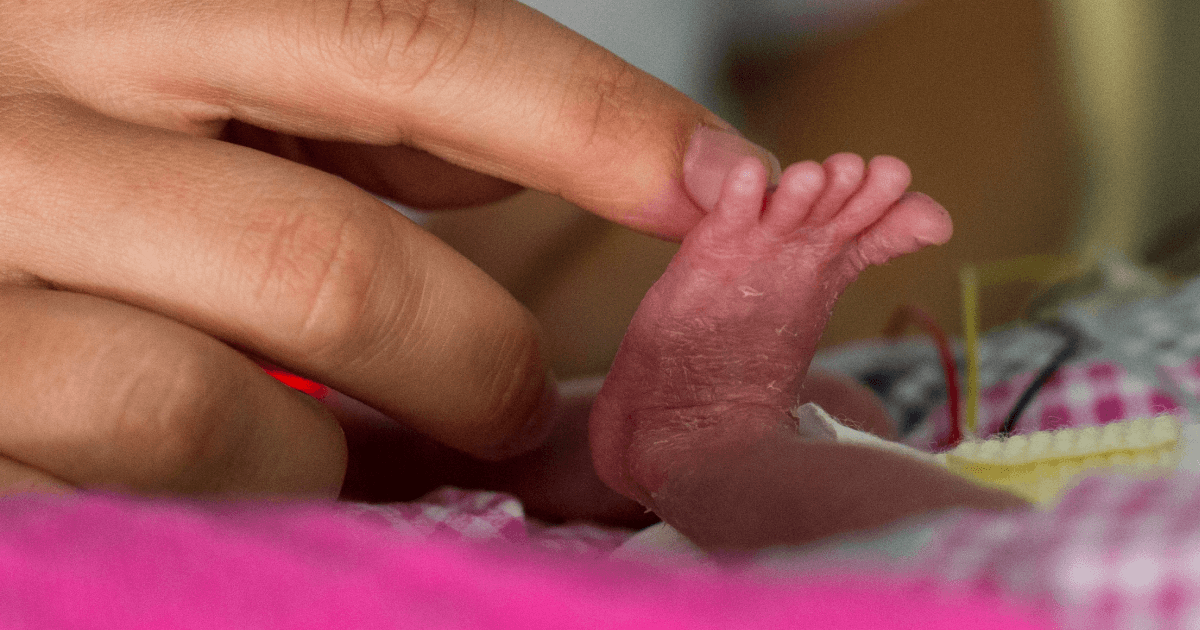 Newsroom
Baby born at 25 weeks reunites with neonatologist two years after leaving hospital
The Catholic Herald Newsroom
Joe Biden honoured by Planned Parenthood after defending abortion rights
Christine Rousselle
subscribe to the catholic herald today
Our best content is exclusively available to our subscribers. Subscribe today and gain instant access to expert analysis, in-depth articles, and thought-provoking insights—anytime, anywhere. Don’t miss out on the conversations that matter most.
Subscribe



