




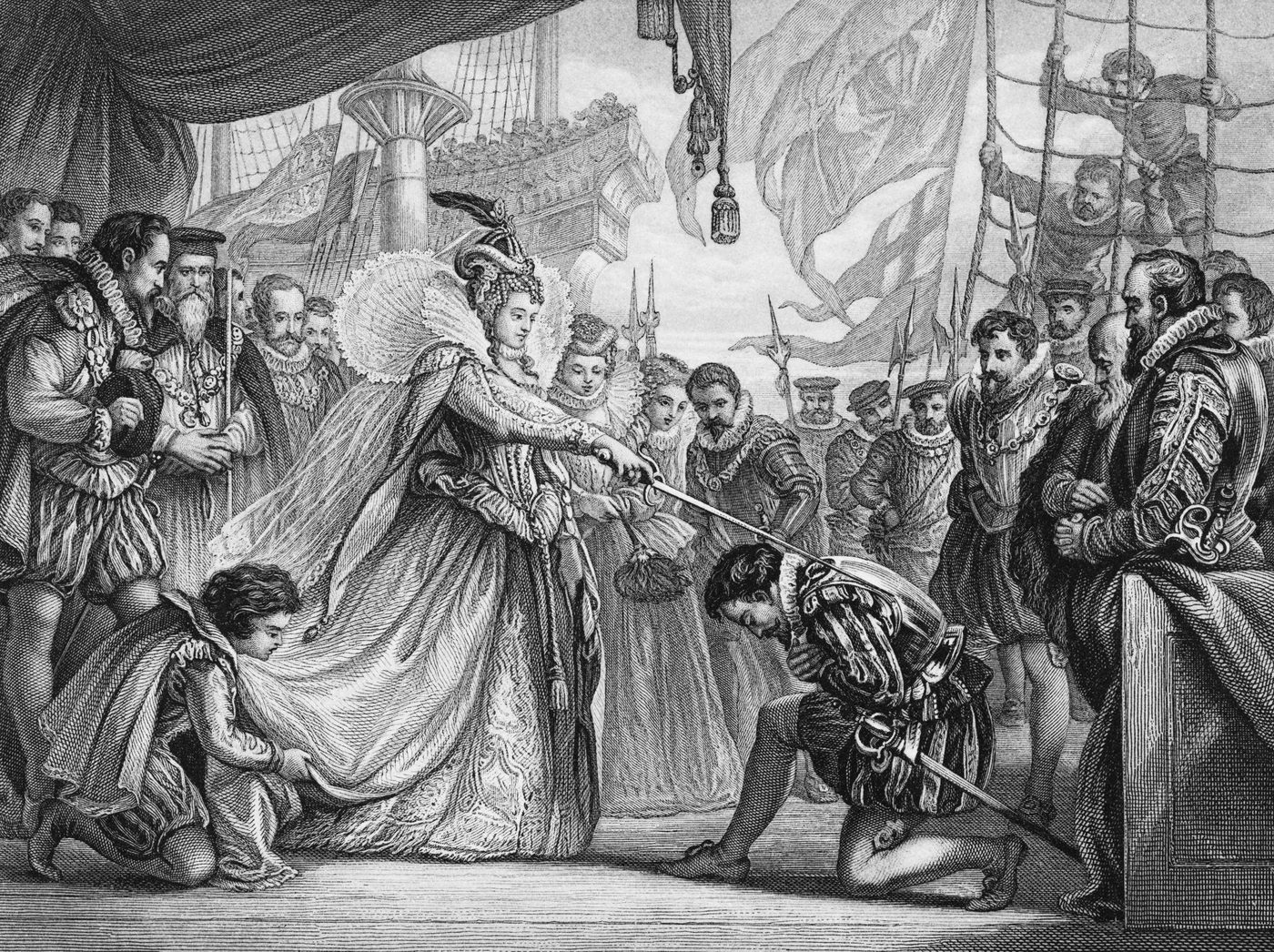
Elizabeth I was one of England’s longest-reigning monarchs. She was not the only female monarch of her time: during her first decade or so a forlorn Catherine de Medici struggled to control France, and throughout her first three decades, her cousin Mary, Queen of Scots loomed (for most of the time as an unwelcome refugee in England). But Elizabeth outlived them – and for 45 years held her own in a male-dominated world as they never did. Even a pope, Sixtus V (1985-90), rather admired her. Yes, she was a remarkable human being: highly intelligent, cultured, charismatic and courageous. She was a gifted orator – as with that famous speech when the Spanish Armada threatened in 1588 about having “the body of a weak and feeble woman, but the stomach and heart of a king – yes, a king of England”. However, Elizabeth was also aloof, devious, vain, notoriously mean and indecisive. Furthermore, it is difficult to find much that she achieved. The famous “Settlement” of 1558/9 returned England to the Protestant fold – that is, returned it to where it had been when her half-brother Edward died in 1553. It did not innovate – except to make her “Supreme Governor” (rather than “Supreme Head”) of the new Church of England created by her father. Otherwise, probably her most decisive actions were the order to behead her cousin Mary Queen of Scots, made after much hesitation, and later, to execute the outrageously provocative Earl of Essex. Though much has been written about them, most of Elizabeth’s parliaments achieved little more than increasingly fierce persecution of Catholics and radical Protestants. She dreaded these parliaments and summoned them only when desperate for cash. Nor was she a great patron of the arts. Spenser’s mighty Faerie Queene was dedicated to, but not commissioned by, her – and, in the author’s estimation, was inadequately awarded. Christopher Marlowe was paid for spying in his younger days but not for play-writing later on. Indeed, he was about to be arrested for licentious atheism when he was stabbed to death in a drunken brawl. As for Shakespeare, she showed as little interest in him as he did in her. England’s first Renaissance architect, Inigo Jones, did owe much to a queen’s support and patronage – but the queen in question was James I’s wife, not Elizabeth. Thomas Tallis and William Byrd were gifted court composers, but both crypto-Catholics. Protestantism was no friend of polyphony, or for that matter of humanism. It is more than arguable that a proto-Renaissance, led by Elizabeth’s admirable great-grandmother, Margaret Beaufort, John Colet, Thomas More, John Fisher, Holbein and Erasmus (not to mention composers like Robert Fayrfax and Thomas Taverner) had been flowering in early Tudor England, but was largely blighted by the Reformation. Between c.1500 and 1547 a record eight new Oxbridge colleges were founded: two thanks largely to that same Margaret Beaufort (a major benefactress of both universities) and one by a reluctant Henry VIII. Two more were founded in Mary’s short reign – with her support. Only three were founded in Elizabeth’s 45 years: none of them by her.
12:00 AM
Her legend lives on. But what did ‘Good Queen Bess’ actually achieve?
It's hard to find much justification for the myth of Elizabeth I
Jack Scarisbrick

8 min read



Already a subscriber? Sign in
5freearticles every month
Continue reading with a free account. No card needed.
- Five free articles every thirty days, on any device you sign in on
- The Catholic Herald newsletter, every morning
- Subscribe whenever you like for everything: every article and the magazine
Related articles
 Newsroom
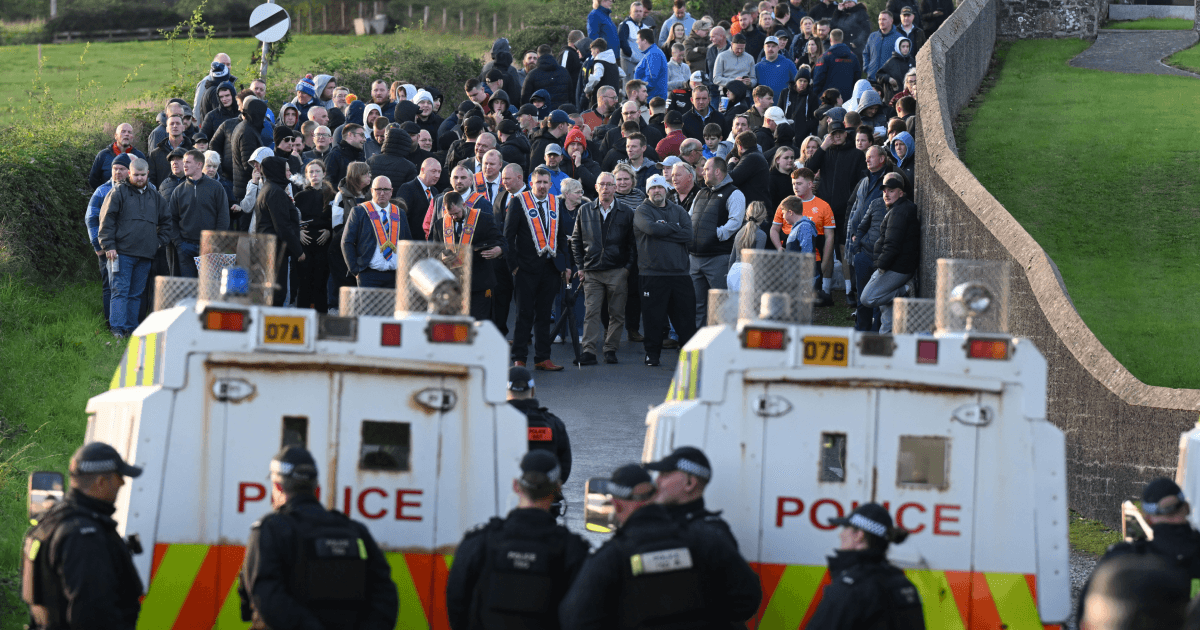
Church leaders urge Drumcree dialogue: ‘Too much is at stake’
The Catholic and Church of Ireland Archbishops of Armagh have urged a renewed commitment to peace and reconciliation amid the Drumcree stand-off
Corrie Douglas-Young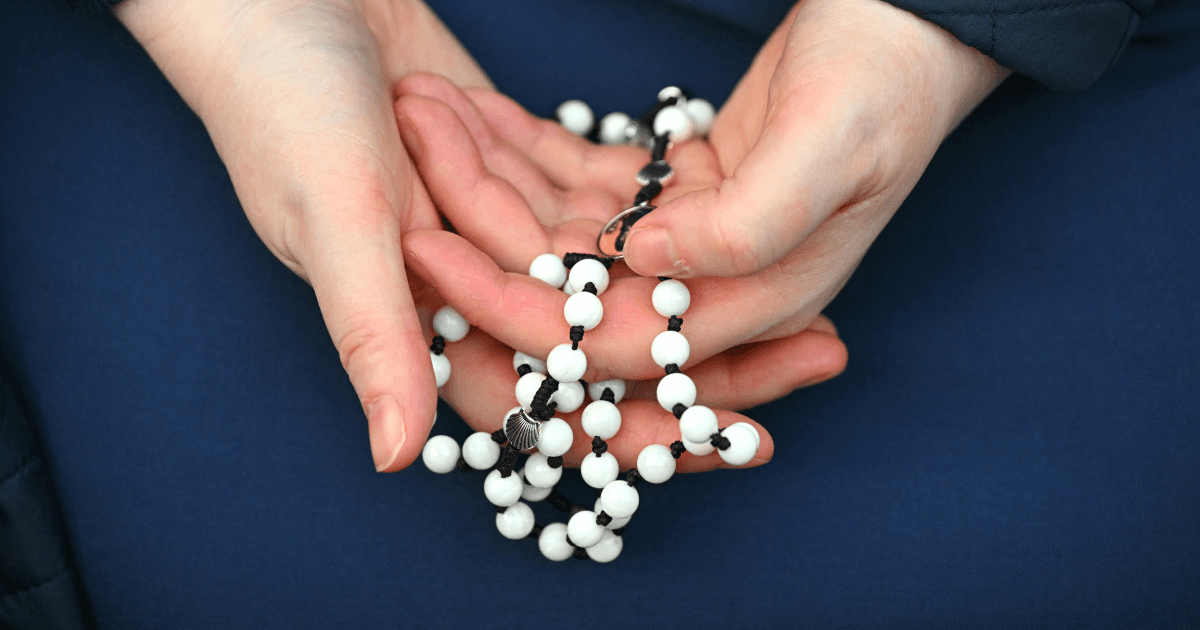 Newsroom
Thousands of Irish children to join global Rosary campaign
Corrie Douglas-Young Newsroom
TikTok priest urges young people to stand with persecuted Christians
Nathalie Raffray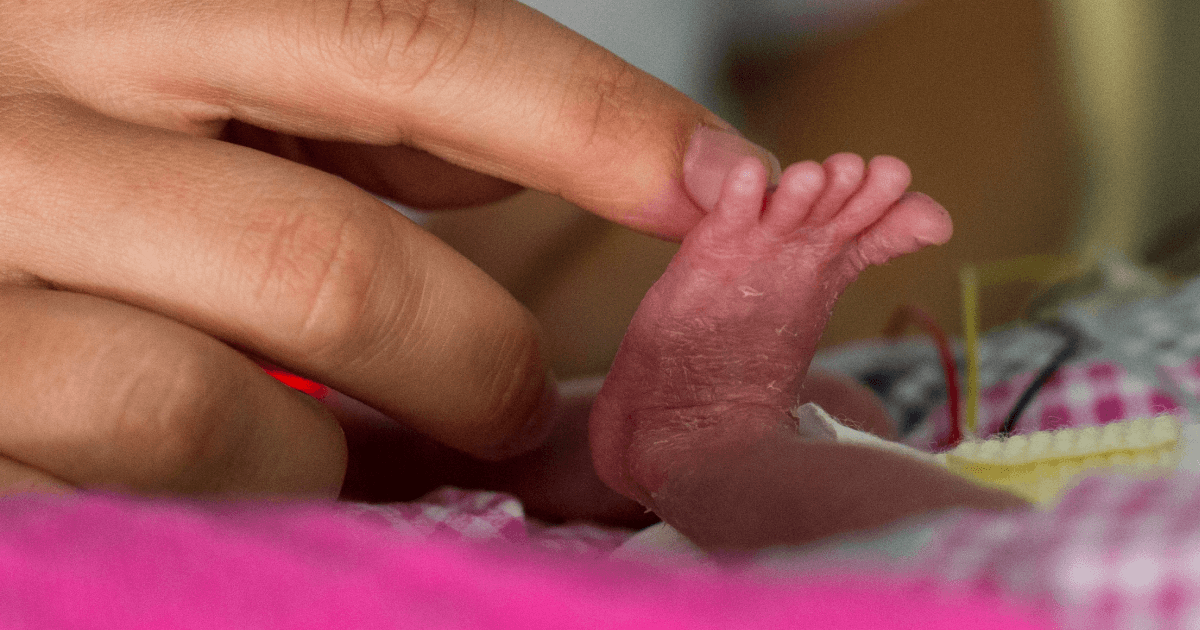 Newsroom
Baby born at 25 weeks reunites with neonatologist two years after leaving hospital
The Catholic Herald Newsroom
Joe Biden honoured by Planned Parenthood after defending abortion rights
Christine Rousselle
subscribe to the catholic herald today
Our best content is exclusively available to our subscribers. Subscribe today and gain instant access to expert analysis, in-depth articles, and thought-provoking insights—anytime, anywhere. Don’t miss out on the conversations that matter most.
Subscribe



