

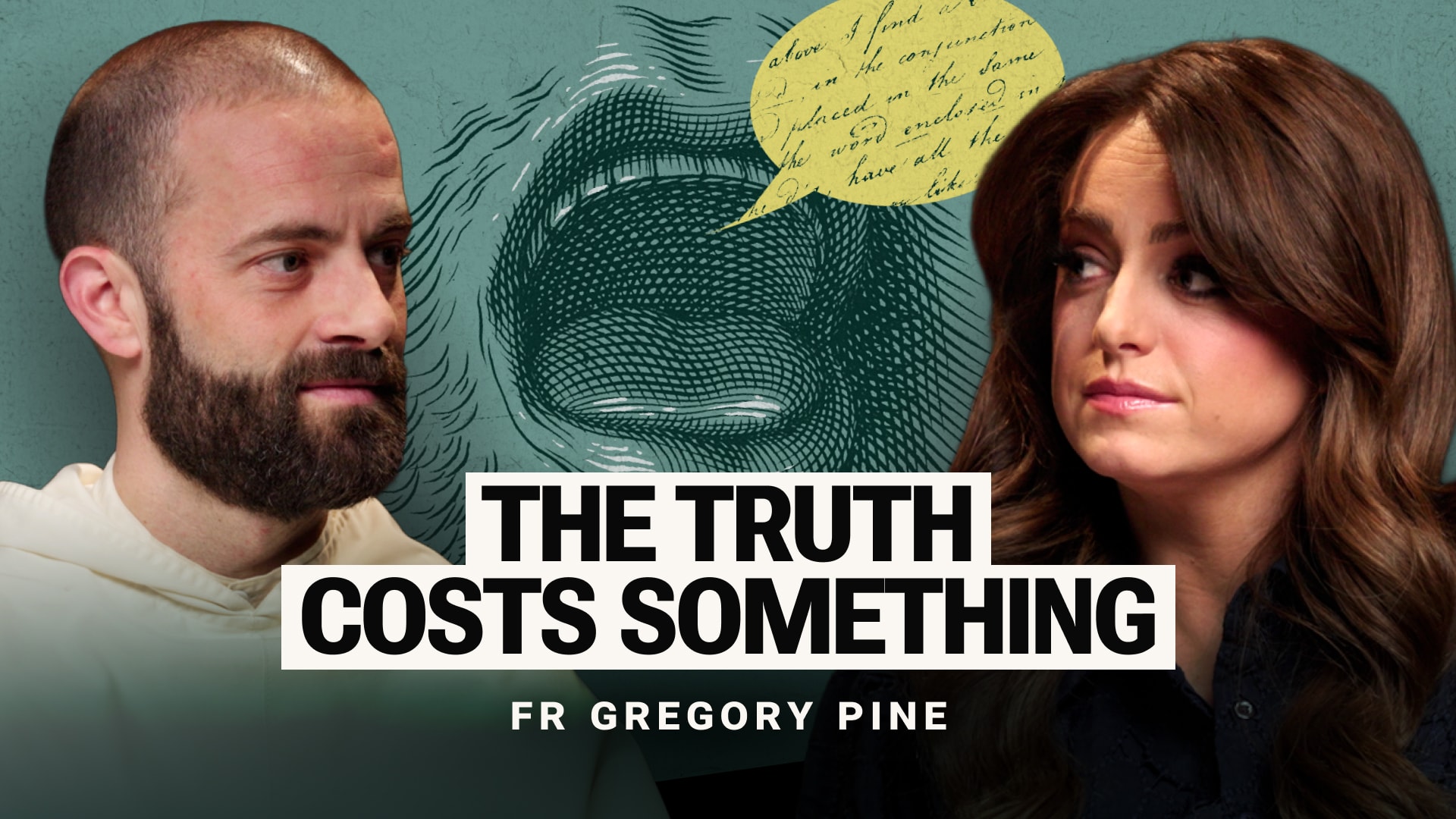
In this episode of In Conversation With, Mary Margaret Olohan sits down with Fr Gregory Pine OP, Dominican priest and philosopher, to explore the moral and spiritual weight of speech and why the capacity to tell the truth has become, in the current moment, one of the most countercultural things a Christian can do. Pine is not a scold. His argument, made consistently across the conversation, is that speech is primarily a gift, and that the question is not how to avoid saying the wrong thing but how to say the right one. His frame is botanical: if you make it your object to root out every weed, you end with an empty garden; make it your object to cultivate good growth, and the weeds get crowded to the edge. His book on speech and the moral life is an attempt to recover a vocabulary that has largely dropped out of ordinary Catholic conversation: the virtues of speech, their acquisition and what their absence costs us.
9:00 PM
How Christians should speak in a culture of lies
Fr Gregory Pine joins Mary Margaret Olohan to discuss his new book on the spiritual meaning of speech, why truth-telling is an investment in relationship and not just a virtue, the hidden damage of gossip, how Christians should navigate social media, and what it looks like to be "innocent as a dove and crafty as a serpent" online.
The Catholic Herald

4 min read



Already a subscriber? Sign in
5freearticles every month
Continue reading with a free account. No card needed.
- Five free articles every thirty days, on any device you sign in on
- The Catholic Herald newsletter, every morning
- Subscribe whenever you like for everything: every article and the magazine
Related articles
 Featured Articles
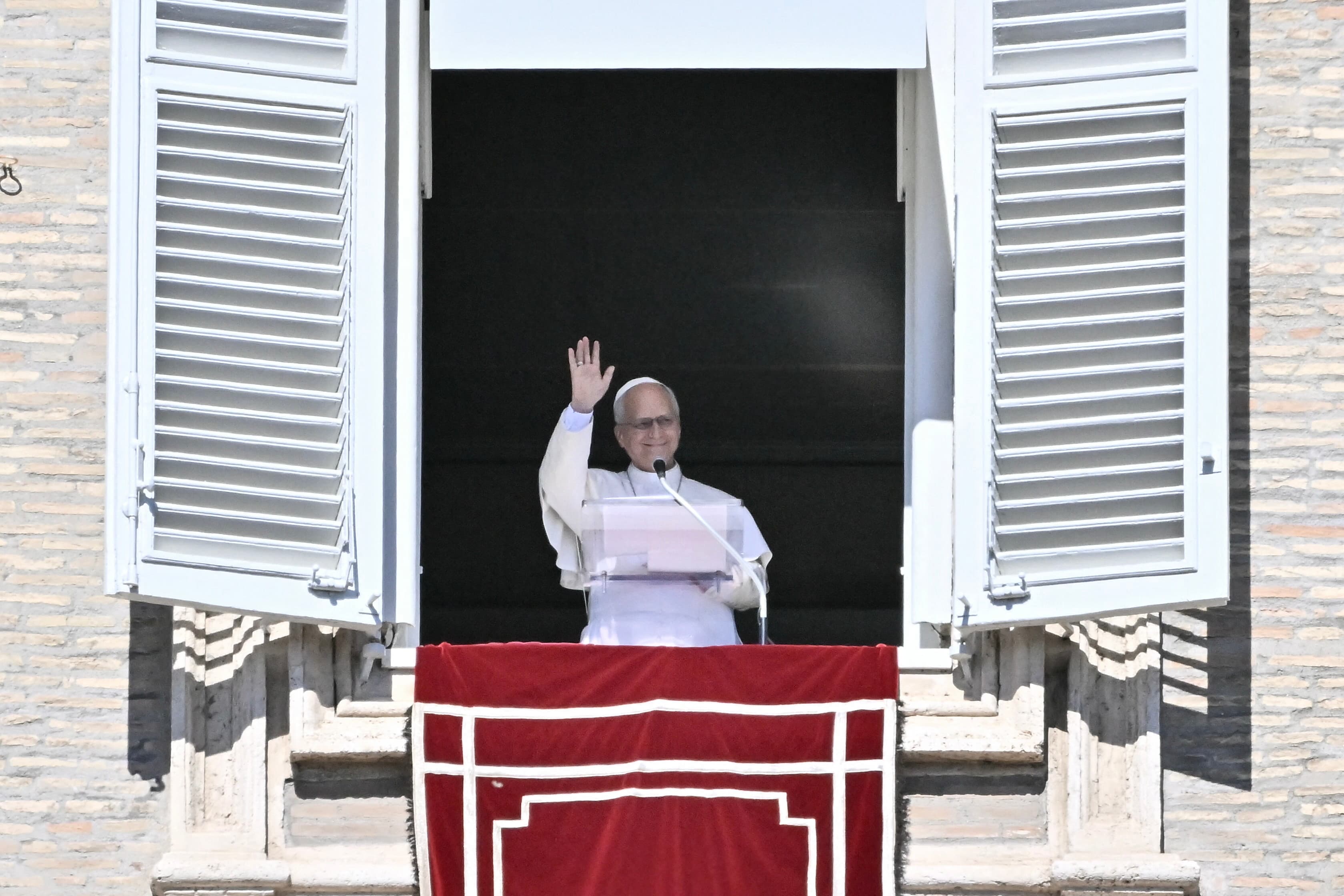
Pope Leo XIV’s lung nodule confirmed as cancerous after surgery
Tests confirmed that the Pope’s lung nodule was cancerous after surgeons removed the lower lobe of his right lung in a successful operation on Tuesday
Christine Rousselle Featured Articles
The Week Ahead: Pope Leo’s surgery, midterm crunch and a possible Irish saint
The Catholic Herald Featured Articles
The Week in Review: Death penalty debate, Drumcree and Anthropic
The Catholic Herald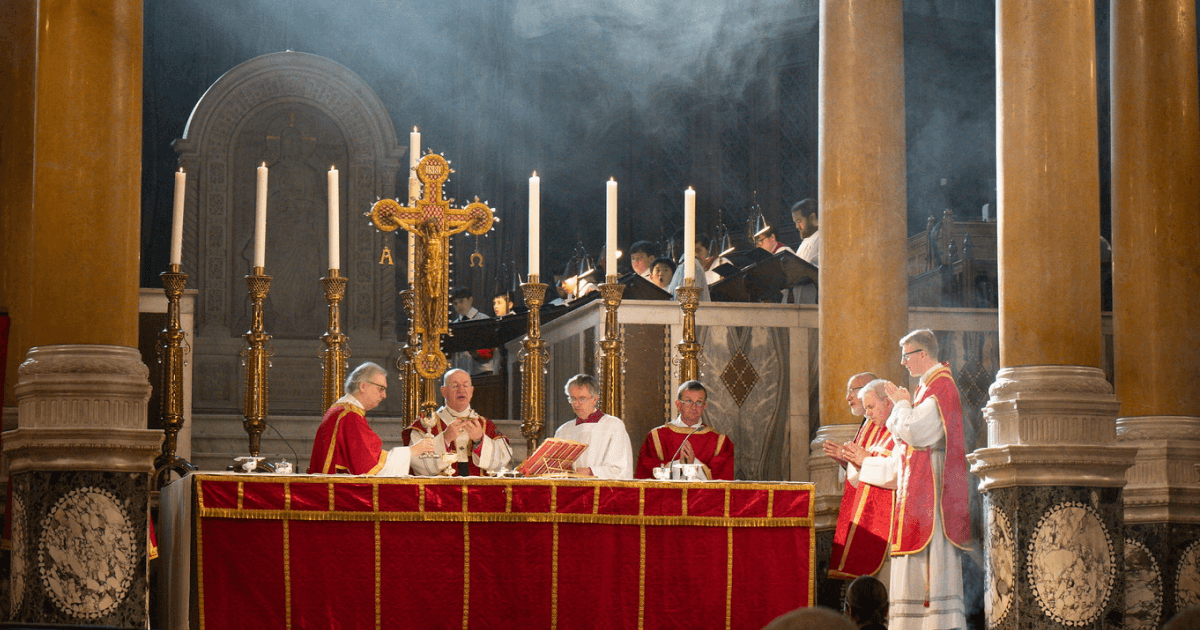 Featured Articles
In Pictures: Red Mass at Westminster Cathedral opens new legal year
The Catholic Herald Featured Articles
The Week Ahead: Vatican documents, Supreme Court term, Eucharistic procession
The Catholic Herald
subscribe to the catholic herald today
Our best content is exclusively available to our subscribers. Subscribe today and gain instant access to expert analysis, in-depth articles, and thought-provoking insights—anytime, anywhere. Don’t miss out on the conversations that matter most.
Subscribe



