


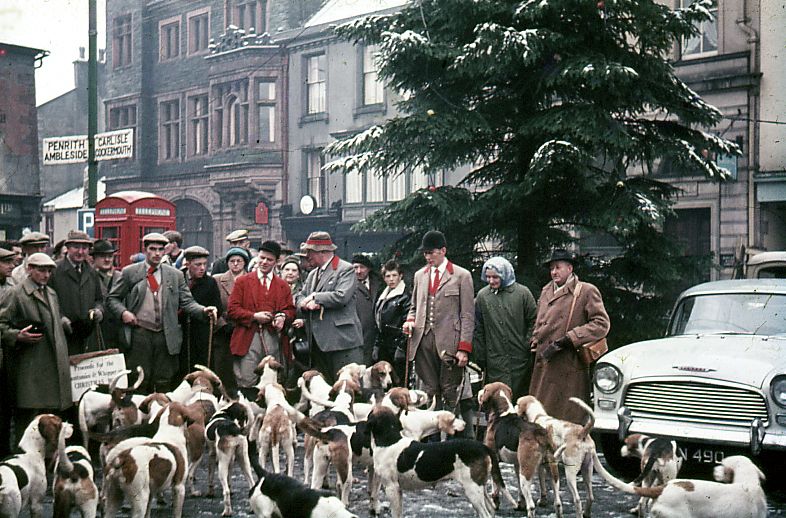


The correct term, of course, is St Stephen’s Day: we mark the first martyr of the early Church, a reminder that the Infant Jesus, in His infinite love for us, asks us to give up our whole lives for Him. But the British name “Boxing Day” relates indirectly to Stephen. Being a deacon, the saint was dedicated to caring for the poor; so to Anglo-Saxons marking St Stephen’s Day, it seemed appropriate for churches to hand out boxes of cash. The tradition, unlike other days devoted to charity, outlasted the English Reformation.
The subsequent history of Boxing Day is detailed in a History Today article by Professor Mark Connelly. “In the 18th century, Boxing Day became a day for aristocratic sports” such as fox-hunting. Thanks to urbanisation, football was added to the list – and watching football remains a Boxing Day tradition. According to Professor Connelly, Boxing Day became about shopping after John Major’s government introduced Sunday trading: “When you open the door to trading on a Sunday, changing the spirit of when it is morally ‘right’ to shop, you open up trading on festival days.”
So giving money to the poor, rather than to department stores, on Boxing Day is one way of keeping to the former spirit of the occasion.

.png)
.png)
.png)
.png)


