


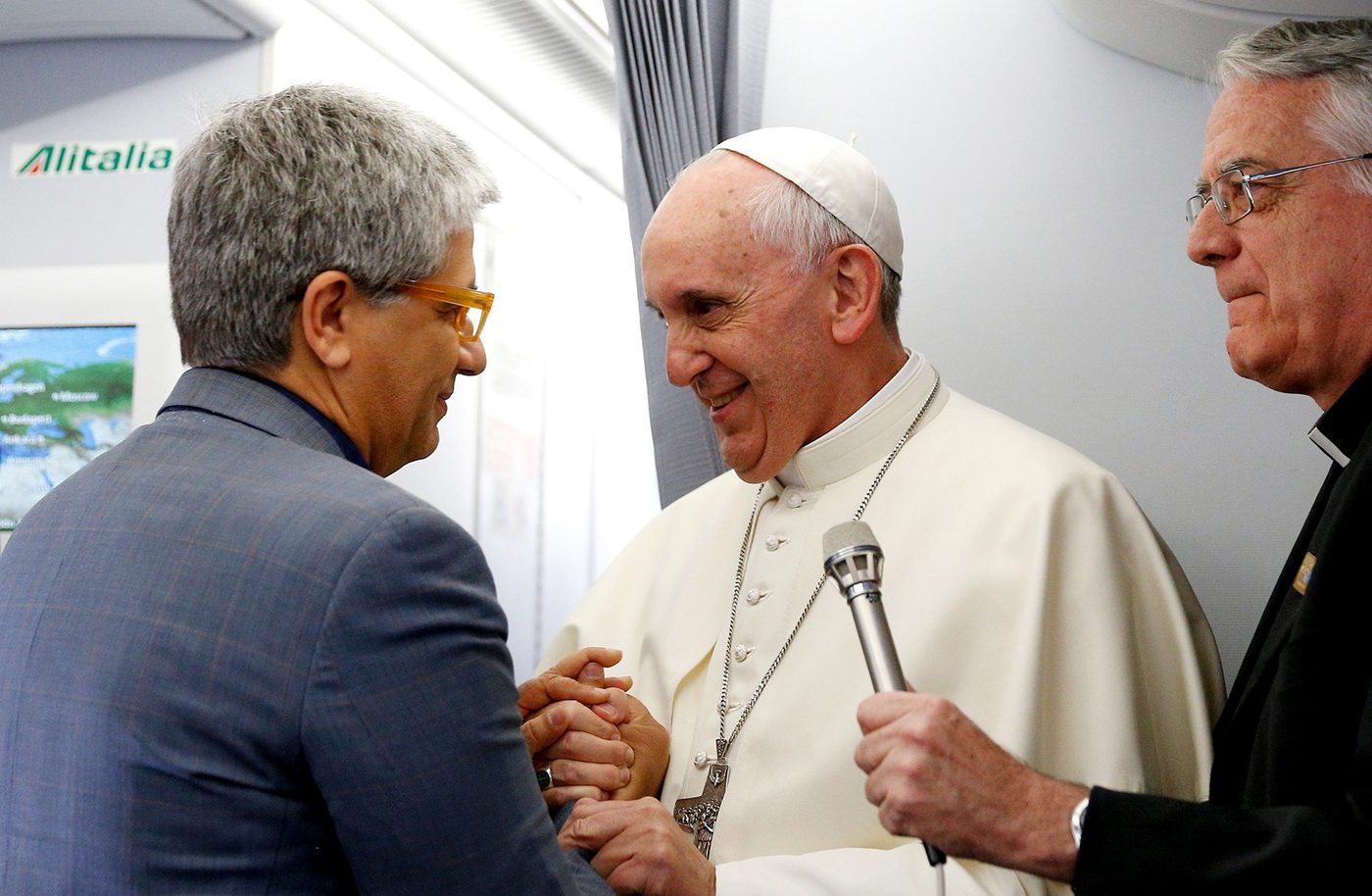
Pope Francis has admitted that whenever he visits a prison he thinks: “Why them and not me?” In a book-long interview with the Italian journalist Andrea Tornielli, the pontiff said: “Every time I go through the gates into a prison to celebrate Mass or for a visit, I always think: ‘Why them and not me? I should be here. I deserve to be here. Their fall could have been mine.’ ” In The Name of God is Mercy he discusses his thinking on the divorced and remarried, gay people and the importance of mercy. The Pontiff discloses how his own niece married a divorced man who had not received an annulment in a civil ceremony. The couple now have three children, the Pope says, adding that his niece’s husband was “so religious” that he went to Mass every Sunday and accepted that he could never be absolved of his sins. His niece had to wait for four years for her husband’s annulment to be approved before they could marry in church. Francis also say that gay people should not be “defined” by their sexuality, Francis says. “The Church condemns sin because it has to relay the truth: ‘this is a sin’,” he said. “But at the same time, it embraces the sinner who recognises himself as such ... it speaks to him of the infinite mercy of God.” On the theme of mercy, Francis says it is the “most important message” of Christianity and “God’s identity card” – and he urges Christians to “overcome prejudice and rigidity”. The Pope says the Church “does not exist to condemn people” but rather to share a message of the “infinite mercy of God”. “I often say that in order for this to happen, it is necessary to go out: to go out from the churches and the parishes, to go outside and look for people where they live, where they suffer, and where they hope.” The book comes ahead of the apostolic exhortation on the family synod, which is expected to be published in March and will outline the Pope’s reflections on marriage, divorce and the family. In the book, the Holy Father condemns corruption, pride and hypocrisy in the Church. He even gives examples of clergy asking for bribes or asking intrusive and lurid sexual questions in the confessional. The Pontiff acknowledges in the book that many people are turning away from organised religion towards other forms of spirituality.
2:00 PM
I could have become a convict, says Pope
Staff writers

3 min read



Already a subscriber? Sign in
5freearticles every month
Continue reading with a free account. No card needed.
- Five free articles every thirty days, on any device you sign in on
- The Catholic Herald newsletter, every morning
- Subscribe whenever you like for everything: every article and the magazine
Related articles
 Newsroom
Church leaders urge Drumcree dialogue: ‘Too much is at stake’
The Catholic and Church of Ireland Archbishops of Armagh have urged a renewed commitment to peace and reconciliation amid the Drumcree stand-off
Corrie Douglas-Young Newsroom
Thousands of Irish children to join global Rosary campaign
Corrie Douglas-Young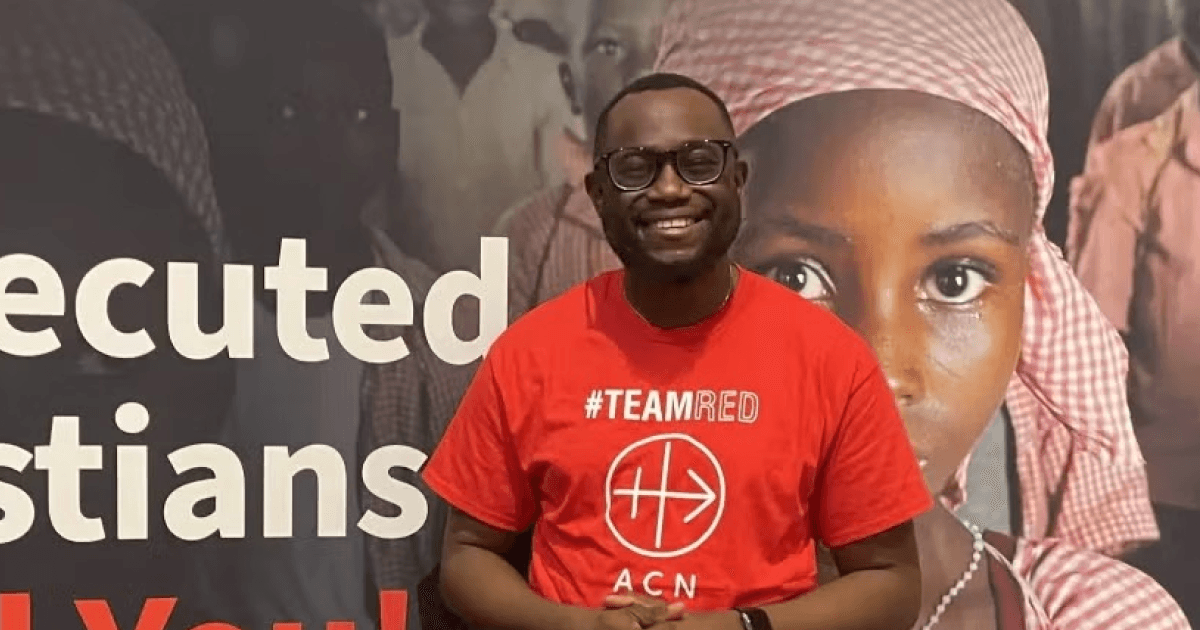 Newsroom
TikTok priest urges young people to stand with persecuted Christians
Nathalie Raffray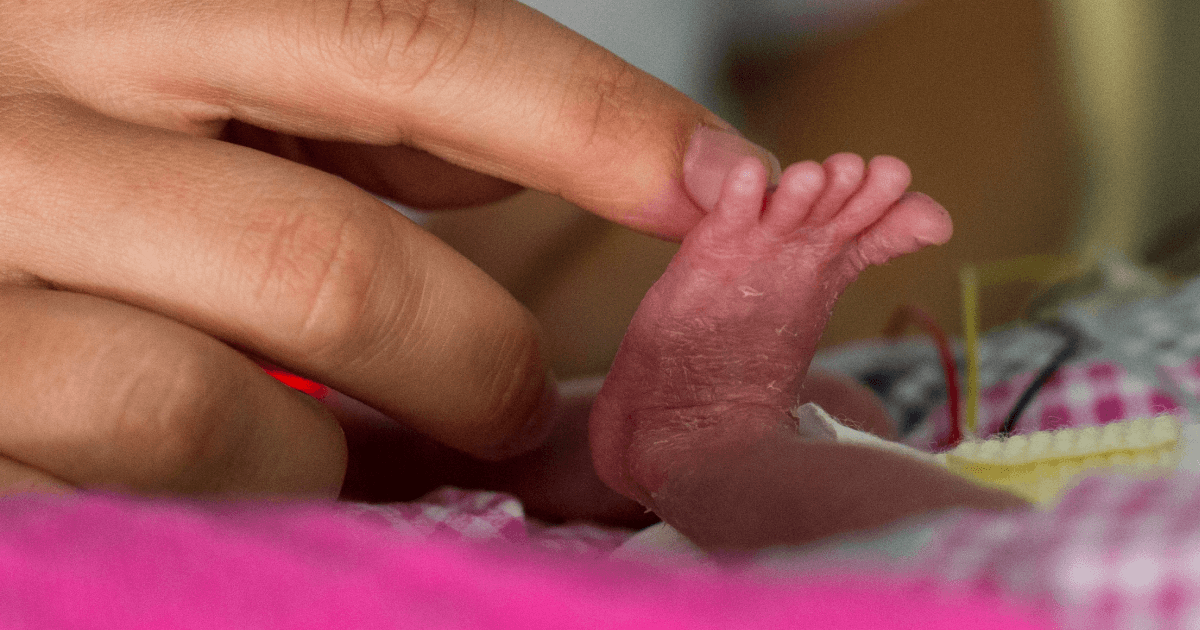 Newsroom
Baby born at 25 weeks reunites with neonatologist two years after leaving hospital
The Catholic Herald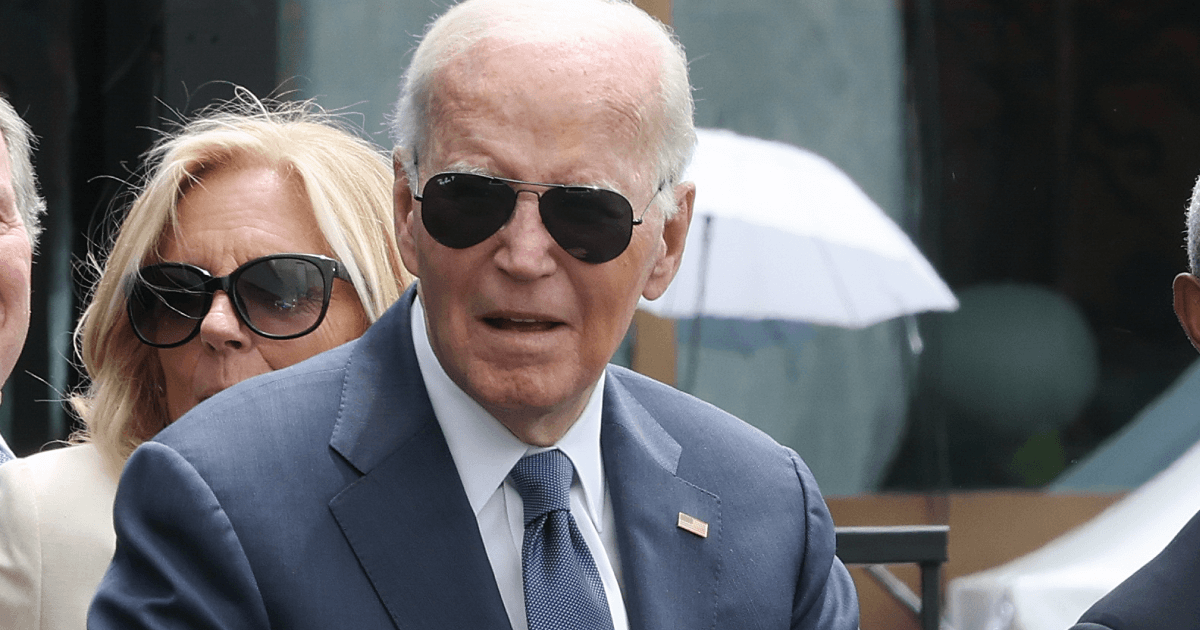 Newsroom
Joe Biden honoured by Planned Parenthood after defending abortion rights
Christine Rousselle
subscribe to the catholic herald today
Our best content is exclusively available to our subscribers. Subscribe today and gain instant access to expert analysis, in-depth articles, and thought-provoking insights—anytime, anywhere. Don’t miss out on the conversations that matter most.
Subscribe



