


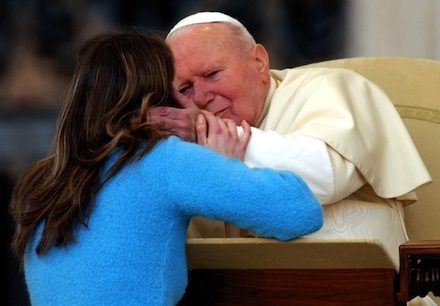
"When the time had fully come, God sent forth his son, born of woman", wrote St Paul in the Letter to the Galatians (4:4);“Only by the power of the Holy Spirit”, added Pope John Paul II in the apostolic letter Mulieris dignitatem, (one of his very greatest teaching documents, the twenty-fifth anniversary of which Pope Francis marked on Saturday) … was Mary able to accept what is "impossible with men, but not with God" … Thus the "fullness of time" manifests the extraordinary dignity of the "woman". Mary, he wrote, “is the representative and the archetype of the whole human race: she represents the humanity which belongs to all human beings, both men and women...the event at Nazareth highlights a form of union with the living God which can only belong to the "woman", Mary: the union between mother and son. The Virgin of Nazareth truly becomes the Mother of God." [Mulieris dignitatem §§ 3 -4] Reading that again reminded me that when, a long time ago, I published my book on feminist theology - What Will Happen to God? - I chose as its official publication date the Solemnity of Mary, Mother of God. Thus, I shall be marking the thirtieth anniversary of my book on New Year's day, 2014. So I hope my readers will forgive me if, for two reasons, I remember that book here before returning finally to Mulieris dignitatem: firstly because in it I attempted an examination of questions on which Pope John Paul was to speak with such definitive authority a year or two later. Secondly, because my book (which turned out to be at the time, so Fr Fessio told me later, the only one by an Anglican ever published by the Ignatius Press) was also of all my books the one which had the most effect on the course of my own life: in the short term, it led over the next year or so to speaking engagements in which I spoke in many cities in more than half the states of the American Union, from Boston, New York, Washington and Detroit in the East to Los Angeles and San Francisco in the West, From Huston on the Bay of Mexico to Anchorage, Alaska in the far, far North. More importantly for me, the process of writing the book led me in the end to one of the most important days of my life—the day on which I was received into the Catholic Church. Finding out about feminist theology — a theology which was and still is intended, as one of its most famous book titles, Mary Daly’s Beyond God the Father, indicates, to change the message of Christianity itself — was for me at the time all part of an Anglican struggle, of the great battle between those like we Anglo-Catholics who wanted to prevent, and those who wanted to bring about, the ordination of women to that Church’s “priesthood” (I put the word in quotes because one of the things I discovered was that the Anglican and Catholic understandings of its meaning are simply not the same, though I had always assumed they were). My book led me to ask questions to which, I found, only the Catholic Church had the answers. C S Lewis had already asked part of the book’s fundamental question, in an essay entitled “Priestesses in the Church” explaining why the Church of England would never ordain women (he was right about many things, but not about that). "Suppose”, he asked, “the reformer...begins saying that we might just as well pray to 'Our Mother which art in heaven' as to 'Our Father'. Suppose he suggests that the Incarnation might just as well have taken a female as a male form, and the second person of the Trinity be as well called the Daughter as the Son…. Now it is surely the case that if all these supposals were ever carried into effect we should be embarked on a different religion. Goddesses have, of course, been worshipped; many religions have had priestesses. But they are religions quite different in character from Christianity”. But why? That is one fundamental question I asked, which so far as I could see had never really been asked before. Why, for Christians, was God “Father” RATHER THAN “Mother”? It was clear to me that this was no mere metaphor as in “God is LIKE a Father”. “Father” was Jesus’s NAME for God: only once (in the words of dereliction from the cross—a quotation, of course—is he ever recorded as calling him anything else (he uses it in the gospels over 170 times: it only occurs 11 times in the whole of the Old Testament). If I may quote from myself, “we can almost go so far as to say that if we only understand the Fatherhood of God metaphorically, our understanding is less than a fully Christian one: the new element, of course, is Jesus’s own use of the term. For at no point does Jesus imply that God is merel like a father to him: his message is that in very truth God actually is his father”. He is begotten not made.” And He becomes Son rather than daughter, briefly, because the relationship of father and son was seen as fundamentally different from that of father and daughter: the son could represent and continue the identity of the father in a way no daughter could (I don’t have space here to elaborate on this; if you are really interested, my book — available on Amazon — discusses it at some length). The essential thing to note is that from the very earliest days of the Church, despite what the feminists say, calling God “Father” was understood to include women as his children in the same way that it included men: the word “Father” was, to employ a loaded word, literally “inclusive”. Mulieris dignitatem (with which I end) goes out of its way, both to emphasise the representative nature of sacraments mediated by a uniquely male priesthood (representative precisely because God was Son and not daughter), and to insist at the same time on the role of the greatest of all women as the archetypal representative of the whole of the human race. (It’s worth interjecting here that religions based on the worship of Goddesses are all reflected by a much lower social status for women than Christianity, and particularly than Catholicism; that’s in my book too). Here’s Pope John Paul:
4:17 PM
In Mulieris Dignitatem (as I had my own reasons to realise at the time) Pope John Paul gave the definitive Catholic answer to modern secular feminism
It’s when you take Mary out of the equation—as first Protestantism and then modern secularism did—that the secular feminism of our own day inevitably emerges in the end
William Oddie

8 min read



Already a subscriber? Sign in
5freearticles every month
Continue reading with a free account. No card needed.
- Five free articles every thirty days, on any device you sign in on
- The Catholic Herald newsletter, every morning
- Subscribe whenever you like for everything: every article and the magazine
Related articles
 Newsroom
Church leaders urge Drumcree dialogue: ‘Too much is at stake’
The Catholic and Church of Ireland Archbishops of Armagh have urged a renewed commitment to peace and reconciliation amid the Drumcree stand-off
Corrie Douglas-Young Newsroom
Thousands of Irish children to join global Rosary campaign
Corrie Douglas-Young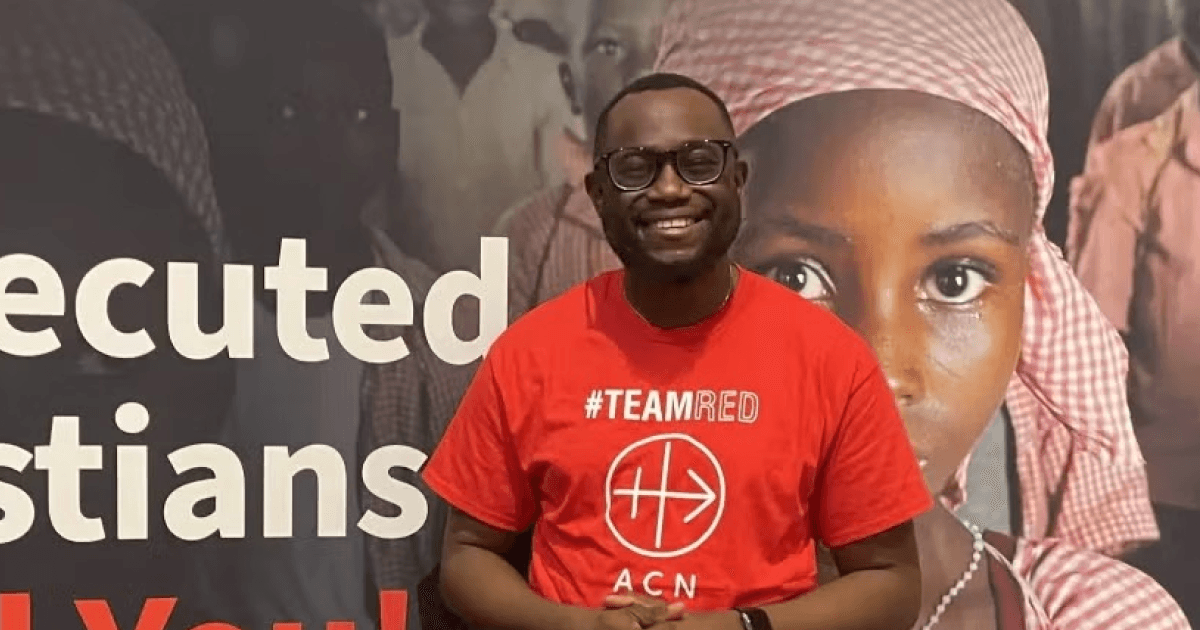 Newsroom
TikTok priest urges young people to stand with persecuted Christians
Nathalie Raffray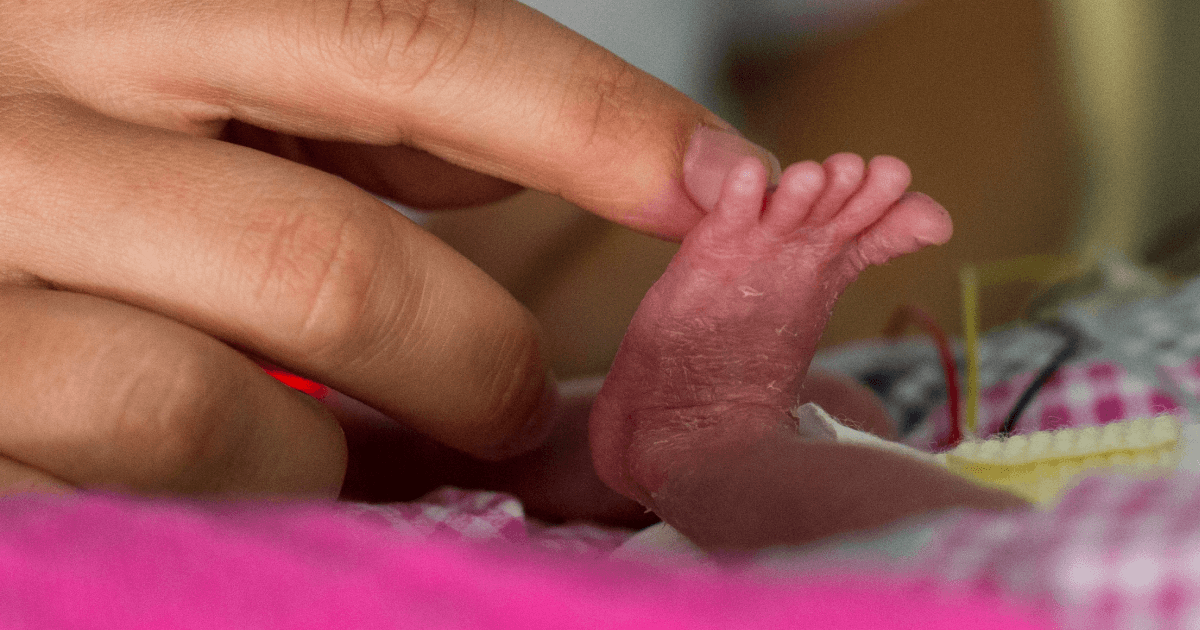 Newsroom
Baby born at 25 weeks reunites with neonatologist two years after leaving hospital
The Catholic Herald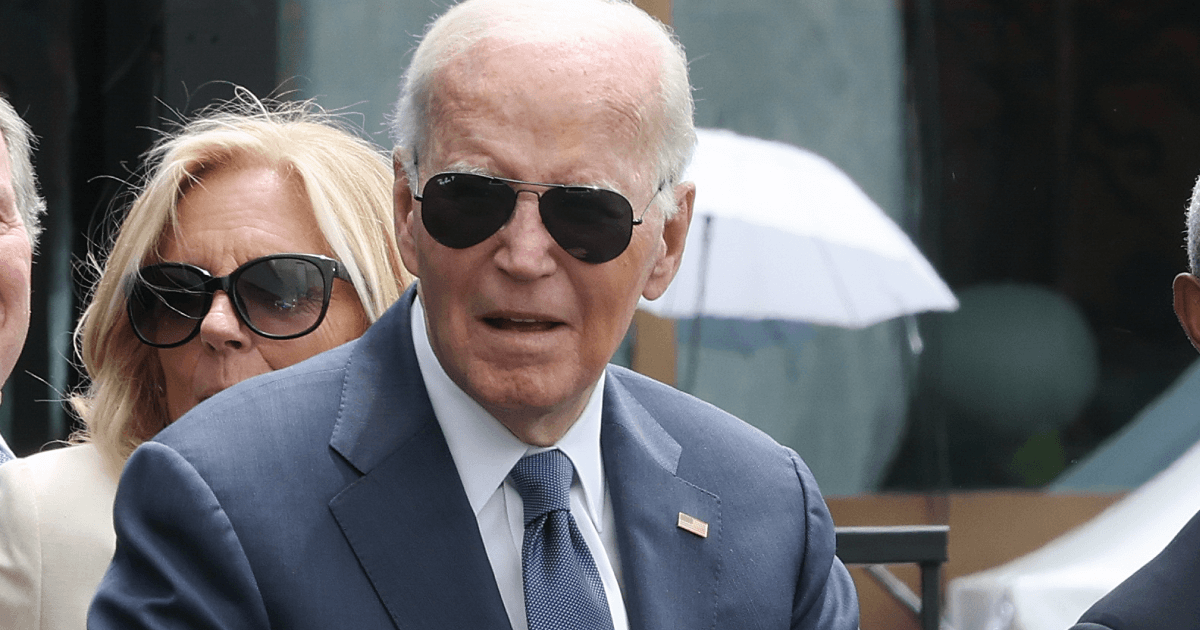 Newsroom
Joe Biden honoured by Planned Parenthood after defending abortion rights
Christine Rousselle
subscribe to the catholic herald today
Our best content is exclusively available to our subscribers. Subscribe today and gain instant access to expert analysis, in-depth articles, and thought-provoking insights—anytime, anywhere. Don’t miss out on the conversations that matter most.
Subscribe



