

July 3, 2026

In praise of Catholic patriotism

Patrick Neve
More
Related
Min read
share

High on a hill overlooking the city of Pittsburgh is Saint Mary’s Church. Outside, the church that once looked down on the steel mills that supplied the war has a monument to the men who went overseas to win it.

The American Catholic Church loves her country. This is evident by the flags inside our sanctuaries, a sight you would be unlikely to see in, say, a British cathedral, which has its own competing national Church.

Patriotism, however, has fallen out of vogue with many young Americans, and I’m not quite sure why. It could be that we hold a grudge for the discrimination against Catholics in years past, a grudge that our grandparents certainly didn’t hold. It could also be an intellectual reason: a knowledge that there are certain values of the American founding that run antithetical to traditional Church teaching when taken to their extreme, to a heresy Leo XIII called out in Testem Benevolentiae.
It is tempting for these Catholics to focus on this heresy when contemplating their nation. But on the 250th anniversary of our nation’s founding, we should also listen to Leo’s admiration for America. I hope this admiration inspires a renewal in Catholic patriotism. Our nation is great and has given us great things. We ought to love her, in spite of her flaws.

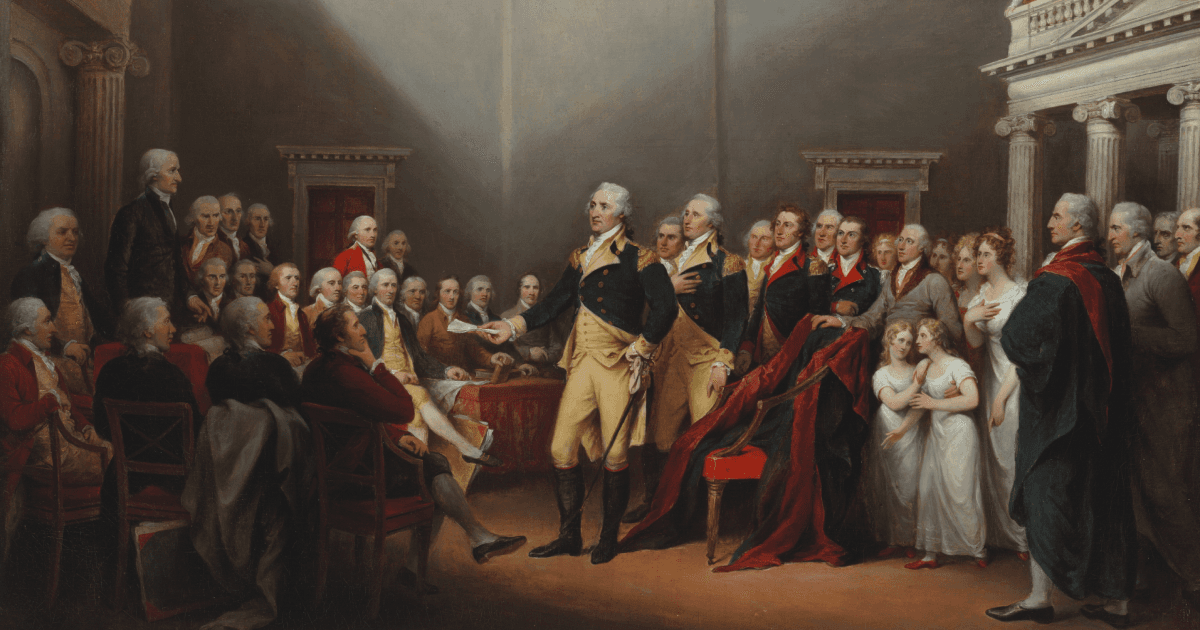
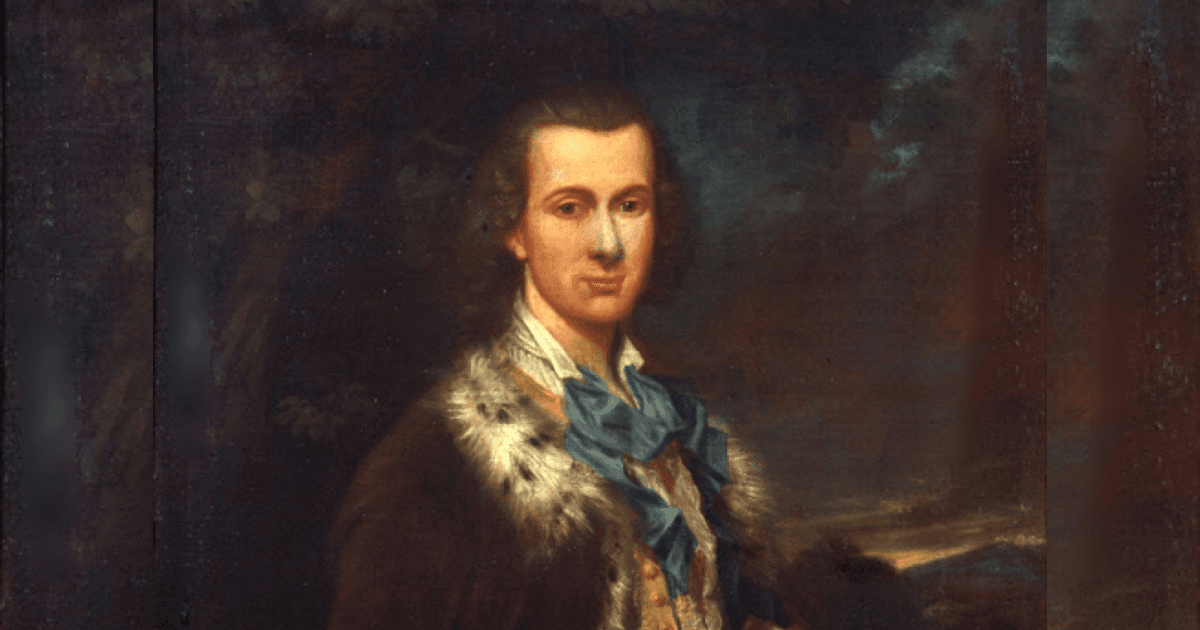
Four years before he condemned Americanism, Leo wrote a letter to the American bishops, Longinqua Oceani, where he began by marvelling at our founding. He celebrated that the same year the colonies won their independence, with Catholic help, and formed a constitutional republic, Rome appointed our first bishop, John Carroll, a friend of George Washington.

He also praised the thing we take most for granted: our liberty. Leo looked across the ocean at a Church “unopposed by the Constitution” and “free to live and act without hindrance”. Meanwhile, European governments seized Church property, expelled Religious orders and suppressed Catholic schools.

The American Church did not take that freedom for granted. In barely a century, a scattered mission territory became a nation full of dioceses, parishes, seminaries, schools, hospitals and Religious orders. American soil turned out to be good for the fruit of the Church.

Leo also appealed to the wisdom of George Washington that “without morality, the State cannot endure”. He told American priests to preach the duties of citizenship plainly, because in a free country, liberty without virtue destroys itself.

In other words, Leo believed America’s own founders had handed the Church a standing invitation. A republic that runs on the virtue of its citizens will always need the institution that produces virtuous citizens.

Faithful Catholics are load-bearing citizens of the Republic, not her enemy.

Leo was no Americanist. In the same letter, he said that our separation of church and state should not be taken as the ideal, and that the Church would bear even more fruit with the favour of the law. I happen to agree with him. However, that conviction did not cause him to nurse a grudge against America.

Leo XIII blessed American virtue and warned us of excess. That is the tack we should take with our homeland. Catholics ought to love our nation with a true patriotism that moves us to correct her, not spurn her, when she errs.

So this Sunday, when many of us, willingly or not, will sing “God Bless America”, we should sing in spite of her flaws, and for the sake of her glories and her goodness. We should pray that God bless these great United States; to stand beside her and to guide her.

Continue reading with a free account

Create a free account to read up to five articles each month
Create free account

You have # free articles remaining this month.

Subscribe to get unlimited access.
Sign up

subscribe to the catholic herald today

Our best content is exclusively available to our subscribers. Subscribe today and gain instant access to expert analysis, in-depth articles, and thought-provoking insights—anytime, anywhere. Don’t miss out on the conversations that matter most.
Subscribe